
Key Takeaways
Position your top-bar hives near flowering plants to ensure a steady supply of nectar and pollen.
Spring preparations include ensuring hive health and adding space for honey storage.
During summer, manage hive temperatures and monitor for swarming signs.
Regularly inspect and maintain hive health to prevent diseases and pests.
Harvest honey at the right time to maximize yield and ensure quality.
“An Introduction to the Top Bar Hive …” from www.sustainlife.org
Maximizing Honey Production in Top-Bar Hives: Tips and Tricks
Introduction to Top-Bar Hive Honey Production
Top-bar hives offer a unique and efficient way to keep bees and produce honey. Unlike traditional Langstroth hives, top-bar hives are simpler to manage and often more cost-effective. If you’re looking to maximize honey production in your top-bar hives, there are several key strategies you need to follow.
Understanding the Unique Design of Top-Bar Hives
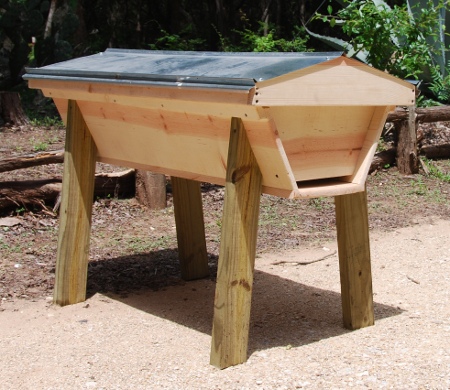
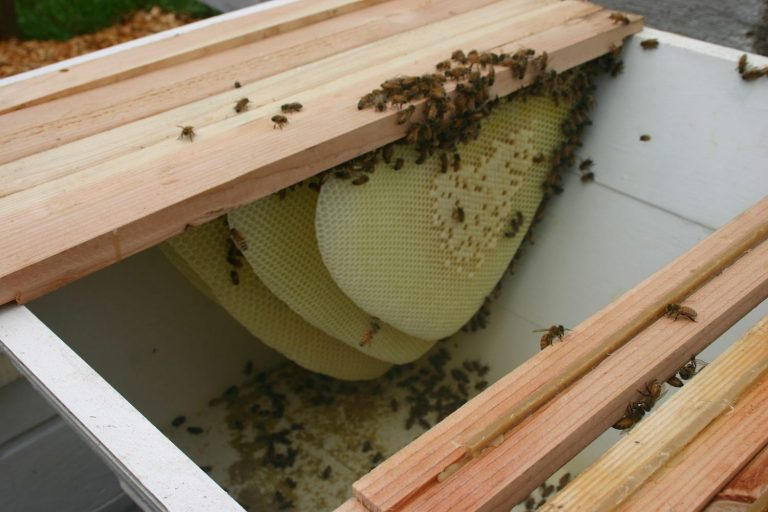
The design of top-bar hives is quite different from the conventional hives most people are familiar with. Top-bar hives consist of a long, horizontal box with bars across the top, from which bees build their combs downward. This design mimics the natural way bees build hives in the wild, making it a more natural habitat for them.
Because of this unique design, managing top-bar hives requires different techniques. For instance, you need to ensure that combs are evenly spaced and that bees have enough room to expand their hive. Proper comb management is crucial to prevent the hive from becoming overcrowded, which can lead to swarming.
Optimizing Hive Placement for Maximum Nectar Flow
One of the most critical factors in maximizing honey production is the placement of your hives. Bees need access to abundant sources of nectar and pollen to produce honey efficiently. Therefore, placing your hives near flowering plants is essential.
Choose a location with diverse flowering plants that bloom throughout the season.
Avoid placing hives in areas with high pesticide use, as this can harm the bees.
Ensure the hives are positioned to get morning sunlight, which helps bees get an early start on their foraging activities.
Besides that, consider the proximity to water sources. Bees need water to regulate hive temperature and to dilute honey for feeding larvae. A nearby water source can make your hive more efficient and productive.
Seasonal Management of Top-Bar Hives
Managing your top-bar hives effectively throughout the seasons is crucial for maximizing honey production. Each season presents different challenges and opportunities for beekeepers. Here’s a breakdown of what you should focus on during each season, including the best tips to clean and maintain your hives.
Spring Preparations
Spring is a critical time for preparing your hives for the honey production season. As temperatures rise and flowers begin to bloom, bees become more active. Here are some essential steps for spring preparations:
Inspect Hive Health: Check for any signs of diseases or pests and take immediate action if you find any issues.
Add Space: Ensure there is enough space for bees to build new combs and store honey. Adding extra bars can help prevent overcrowding.
Feed Bees if Necessary: If the hive is low on food, consider feeding the bees a sugar syrup to boost their energy levels and encourage comb building.
Most importantly, ensure that the queen is healthy and laying eggs. A strong, productive queen is vital for a thriving hive. If you notice any issues with the queen, such as poor egg-laying patterns, consider requeening the hive.
Summer Management
Summer is the peak season for honey production. During this time, bees are busy foraging and filling the hive with honey. Your role as a beekeeper is to support their efforts and manage the hive effectively. For more tips on maintaining bee habitats, check out our guide on cleaning and maintaining bee houses.
Monitor Hive Temperature: Ensure the hive is well-ventilated to prevent overheating. Overheated hives can stress bees and reduce honey production.
Watch for Swarming Signs: Swarming can significantly reduce your honey yield. Look for signs such as increased queen cell production and crowded conditions.
Regular Inspections: Inspect the hive regularly to ensure everything is in order. Check for signs of disease, pests, and overall hive health.
By staying proactive and attentive during the summer, you can help your bees maximize their honey production.
Comb Management Techniques
Comb management is crucial in top-bar hives. Proper comb spacing ensures that bees have enough room to build and store honey without overcrowding. One effective method is to use a follower board, which helps guide bees to build combs in the right direction. Additionally, regularly inspecting and rotating combs can prevent them from becoming too old or damaged.
Another essential aspect is to ensure that combs are straight and evenly spaced. Crooked or uneven combs can cause problems when you need to inspect the hive or harvest honey. You can use a comb guide or starter strips on the top bars to encourage bees to build straight combs.
“Top Bar Beekeeping for Beginners …” from www.pinterest.com
Monitoring Queen Health and Productivity
The queen bee plays a vital role in the hive’s productivity. A healthy, productive queen ensures a steady supply of worker bees, which are essential for foraging and honey production. Regularly check for signs of a healthy queen, such as a good brood pattern and a large number of eggs.
If you notice any issues with the queen, such as a sparse brood pattern or a lack of eggs, it may be time to requeen the hive. Requeening involves introducing a new, healthy queen to replace the old one. This can boost hive productivity and overall health.
Besides that, monitor the hive for signs of queenlessness, such as the presence of multiple eggs in cells or the absence of brood. If the hive is queenless, take immediate action to introduce a new queen to prevent the hive from becoming weak and unproductive. For more advanced techniques, consider exploring smart hive management solutions.
Harvesting Honey from Top-Bar Hives
Harvesting honey from top-bar hives requires different techniques compared to traditional hives. The key is to remove honeycombs without damaging the hive or stressing the bees. Here’s how to do it effectively, and consider using smart hive management solutions to enhance your beekeeping practices:
Best Techniques for Removing Honeycombs
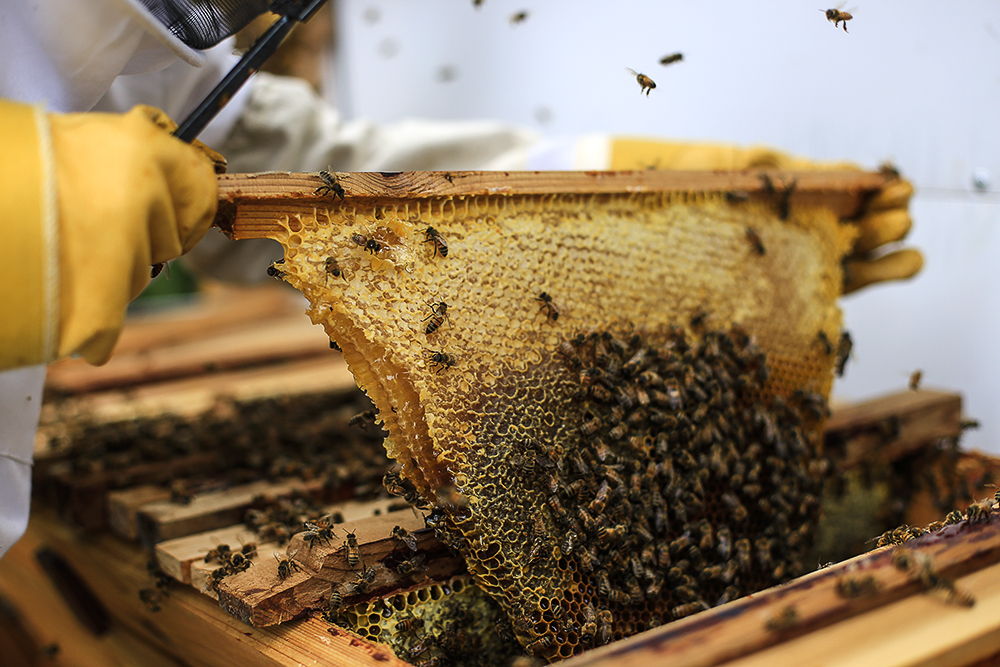
When harvesting honey, use a hive tool to carefully separate the honeycomb from the top bar. Gently lift the comb out of the hive, taking care not to crush any bees. If the comb is heavy or fragile, support it with both hands to prevent it from breaking. For more advanced tips, check out smart hive management solutions.
Once you’ve removed the honeycomb, brush off any bees using a bee brush or a soft brush. Place the comb in a clean container to transport it to your processing area. Be sure to leave enough honey in the hive for the bees’ winter stores. For more tips, you can refer to this guide on maximizing honey production.
Proper Timing for Honey Harvest
Timing is crucial when harvesting honey. The best time to harvest is when the honeycomb is fully capped, indicating that the honey is ripe and ready for storage. Uncapped honey may have a high moisture content, which can lead to fermentation and spoilage. For more information on advanced techniques, consider exploring smart hive management solutions.
Besides that, consider the hive’s overall condition before harvesting. Ensure that the hive is strong and healthy, with enough bees to continue foraging and maintaining the colony. Avoid harvesting during times of stress, such as during a dearth or extreme weather conditions.
Controlling Pests and Diseases
Pests and diseases can significantly impact honey production. Varroa mites, small hive beetles, and wax moths are common pests that can infest hives. Regular inspections and early detection are key to controlling these pests. Consider using screened bottom boards and natural treatments like powdered sugar dusting to manage mite populations.
Diseases such as American Foulbrood (AFB) and Nosema can also affect hive health. Keeping the hive clean and maintaining good hygiene practices can help prevent the spread of diseases. If you detect any signs of disease, take immediate action by removing and destroying infected combs and treating the hive with appropriate medications.
Feeding Strategies to Boost Honey Production
Feeding your bees can help boost honey production, especially during times when natural nectar sources are scarce. Providing supplemental feed ensures that bees have enough energy to build combs and store honey. Here are some effective feeding strategies:
“Top Bar Hives – Learn About Top Bar …” from beebuilt.com
When and What to Feed
Feeding bees is particularly important during early spring and late fall when natural food sources may be limited. In early spring, feeding sugar syrup can stimulate brood production and encourage comb building. In late fall, feeding can help bees build up their winter stores.
Early Spring: Feed a 1:1 sugar syrup (one part sugar to one part water) to stimulate brood production and comb building.
Late Fall: Feed a 2:1 sugar syrup (two parts sugar to one part water) to help bees build up their winter stores.
Protein Supplements: Provide protein supplements, such as pollen patties, during times of pollen scarcity to support brood production.
By providing the right feed at the right time, you can support your bees’ health and productivity, leading to increased honey production. For more information on bee houses, check out this guide to wooden bee houses.
How to Safely Supplement Sugar Syrup
When feeding sugar syrup, it’s essential to do it safely to avoid attracting pests or causing harm to the bees. Use feeders that minimize the risk of drowning and prevent robbing by other bees. Internal feeders, such as division board feeders or top feeders, are effective options.
Additionally, ensure that the sugar syrup is prepared correctly. Use white granulated sugar and clean water to make the syrup. Avoid using brown sugar, honey, or other sweeteners, as they can introduce harmful substances or diseases to the hive. For more detailed guidance, refer to this article on maximizing honey production.
Preventing Swarming to Increase Honey Yield
Swarming is a natural process where a portion of the hive leaves to form a new colony. While it’s a sign of a healthy hive, it can significantly reduce honey production. Therefore, preventing swarming is essential to maximize honey yield. For more information on smart hive management, check out these high-tech beekeeping solutions.
Recognizing Swarm Signs
Early detection of swarm signs can help you take preventive measures. Look for signs such as increased queen cell production, crowded conditions, and a decrease in foraging activity. Regular inspections and monitoring can help you identify these signs early.
If you notice any signs of swarming, take immediate action to prevent it. Techniques such as splitting the hive, adding more space, and providing adequate ventilation can help reduce the likelihood of swarming and keep your hive productive. For more tips, check out this guide to creating a safe haven for bees.
Techniques to Minimize Swarming
Minimizing swarming involves a combination of hive management techniques. Here are some effective methods:
Hive Splitting: Split the hive into two smaller hives to reduce overcrowding and give the bees more space.
Adding Supers: Provide additional space by adding supers or extra bars to the hive.
Regular Inspections: Inspect the hive regularly to monitor for signs of swarming and take action as needed.
Ventilation: Ensure the hive is well-ventilated to prevent overheating and reduce stress on the bees.
By implementing these techniques, you can minimize the risk of swarming and keep your hive productive throughout the honey production season.
Conclusion and Key Recommendations
Maximizing honey production in top-bar hives requires a combination of proper hive management, strategic feeding, and timely harvesting. By understanding the unique design of top-bar hives and implementing the tips and tricks outlined in this article, you can ensure a productive and healthy hive. For those interested in advanced techniques, consider exploring smart hive management solutions to further optimize your beekeeping practices.
Remember to place your hives near abundant nectar sources, manage combs effectively, and monitor for pests and diseases. Regularly check the health of your queen and provide supplemental feed when necessary. With these strategies in place, you’ll be well on your way to maximizing honey production in your top-bar hives.
Frequently Asked Questions
What makes top-bar hives different from traditional hives?
Top-bar hives have a horizontal design, while traditional hives are vertical.
Bees build combs naturally in top-bar hives, mimicking their natural habitat.
Top-bar hives are generally easier to manage and more cost-effective.
Combs are harvested as whole pieces, unlike the frames in traditional hives.
These differences make top-bar hives a popular choice for beekeepers looking for a more natural and hands-on approach to beekeeping. For more insights, you can read about high-tech beekeeping and smart hive management solutions.
How do I know when my hive is ready for harvest?
The best indicator that your hive is ready for harvest is when the honeycombs are fully capped. Capped honey has a lower moisture content, making it suitable for long-term storage. Regular inspections can help you monitor the progress of the honey and determine the right time to harvest.
What is the best time of year to start a top-bar hive?
The best time to start a top-bar hive is in early spring. This timing allows the bees to build up their population and stores before the winter months. Starting in spring also takes advantage of the blooming season, providing bees with ample nectar and pollen to build combs and produce honey.
How can I prevent pests in my top-bar hive?
Preventing pests in your top-bar hive involves regular inspections and good hygiene practices. Here are some tips: Ensure you are cleaning and maintaining your hive regularly to avoid infestations.


Leave a Reply