
Key Takeaways
Choosing a compact honey spinner is essential for small apartments.
Vivo BEE-V004E, Goodland Bee Supply 2 Frame, Honey Keeper Pro 2 Frame, and Mann Lake HH130 are top choices.
Using a honey spinner is efficient, less messy, and preserves the honeycomb.
Proper setup and maintenance of the spinner ensure its longevity and performance.
Alternative methods like the crush and strain method can be used if a spinner is not available.
Benefits of Using a Honey Spinner
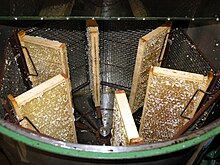
When you live in a small apartment, space is at a premium. Therefore, every piece of equipment you own needs to be efficient and compact. A honey spinner, also known as a honey extractor, fits this bill perfectly for urban beekeepers. It helps you extract honey from the honeycomb quickly and cleanly.
One of the biggest advantages of using a honey spinner is that it preserves the honeycomb. This means you can reuse the comb, saving your bees the effort of building new ones. Besides that, it’s a much cleaner process compared to other methods like crushing and straining.
Choosing the Right Honey Spinner for Small Spaces
Not all honey spinners are created equal, and some are better suited for small apartments than others. When choosing a honey spinner, you need to consider the size, capacity, and ease of use. Most importantly, the spinner should be compact enough to fit in your limited space but still efficient enough to meet your honey extraction needs.
Here are some key factors to consider:
Size: Ensure the spinner fits comfortably in your available space.
Capacity: Choose a spinner that can handle the amount of honey you expect to harvest.
Ease of Use: Look for features like adjustable speeds and easy assembly.
Durability: Opt for a spinner made from high-quality materials to ensure longevity.
Top Honey Spinners for Small Apartments
Vivo BEE-V004E
The Vivo BEE-V004E is an excellent choice for small apartments. It’s compact, yet it can handle up to four frames at a time, making it efficient for urban beekeepers. The electric motor makes the extraction process quick and effortless. For a detailed review, you can check out this article on electric honey extractors.
What I love about this model is its quiet operation. You won’t have to worry about disturbing your neighbors while you’re extracting honey. Plus, the adjustable speed settings allow you to control the extraction process, which helps preserve the honeycomb.
Goodland Bee Supply 2 Frame
If you’re looking for something even more compact, the Goodland Bee Supply 2 Frame honey spinner is a great option. This manual spinner is small enough to fit in the corner of your kitchen or balcony but still efficient enough to get the job done.
Because it’s manually operated, you have complete control over the speed and pressure applied during extraction. This can be especially useful if you’re working with delicate honeycombs. Additionally, it’s a budget-friendly option for those who are just starting out in beekeeping.
Honey Keeper Pro 2 Frame
The Honey Keeper Pro 2 Frame honey spinner is another excellent choice for small spaces. It’s similar in size to the Goodland Bee Supply model but offers a few extra features that make it stand out.
This spinner is made from high-quality stainless steel, which makes it durable and easy to clean. The clear plastic lid allows you to see the extraction process, which can be quite fascinating. Most importantly, it’s designed to be user-friendly, making it a great option for beginners. For more insights on urban beekeeping, check out this eco-warrior guide.
The Mann Lake HH130
The Mann Lake HH130 is another top contender when it comes to honey spinners suitable for small apartments. This model is known for its durability and efficiency. It’s a manual extractor, which means you’ll need to put in a bit of elbow grease, but the results are well worth it.
One of the standout features of the Mann Lake HH130 is its versatility. It can accommodate both deep and medium frames, making it a flexible option for various types of beekeeping setups. Additionally, the stainless steel construction ensures that it will last for years, even with regular use.
Steps to Use a Honey Spinner
Preparation and Setup
Before you start using your honey spinner, you need to set it up properly. This ensures that the extraction process goes smoothly and efficiently. Here’s what you need to do:
Clean the Spinner: Make sure the honey spinner is clean and free from any debris or residue from previous extractions.
Assemble the Spinner: Follow the manufacturer’s instructions to assemble the spinner. This usually involves attaching the legs, lid, and honey gate.
Secure the Spinner: Place the spinner on a stable surface and make sure it’s secure. This prevents any wobbling or tipping during the extraction process.
Inserting Frames
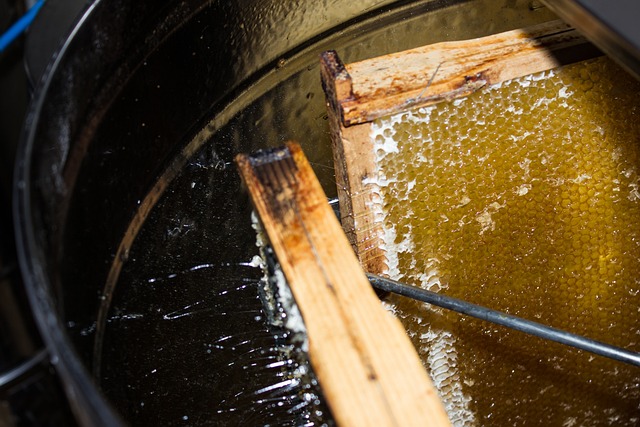
Once your spinner is set up, it’s time to insert the honey frames. Here’s how to do it:
Remove the Frames from the Hive: Carefully take the honey frames out of your beehive. Be gentle to avoid damaging the comb.
Check the Frames: Inspect the frames for any signs of damage or contamination. Only use clean, intact frames for extraction.
Place the Frames in the Spinner: Insert the frames into the spinner’s slots. Make sure they are evenly spaced and securely in place.
Spinning the Honey
Now comes the exciting part—spinning the honey! Here’s how to do it:
For electric spinners, simply turn on the motor and adjust the speed as needed. Start at a low speed to avoid damaging the comb, then gradually increase the speed as the honey starts to flow out.
For manual spinners, use the hand crank to start spinning the frames. Keep a steady pace and avoid spinning too fast, as this can cause the comb to break.
Collecting Honey
As the honey is extracted, it will collect at the bottom of the spinner. Here’s how to collect it:
Open the Honey Gate: Once you’ve finished spinning, open the honey gate at the bottom of the spinner.
Filter the Honey: Place a strainer or cheesecloth over a clean container to filter out any debris or wax particles.
Pour the Honey: Carefully pour the honey into the container. Make sure to seal the container tightly to keep the honey fresh.
Maintenance and Cleaning Tips
Disassembling the Spinner
After you’ve finished extracting honey, it’s important to clean and maintain your spinner. Start by disassembling it:
Turn Off and Unplug: If you’re using an electric spinner, make sure it’s turned off and unplugged before you start disassembling.
Remove the Frames: Take out the honey frames and set them aside for cleaning.
Disassemble the Parts: Follow the manufacturer’s instructions to disassemble the spinner. This usually involves removing the lid, honey gate, and legs.
Cleaning the Components
Proper cleaning is essential to keep your honey spinner in good condition. Here’s how to clean the components:
Rinse with Warm Water: Rinse all the parts with warm water to remove any honey residue.
Use Mild Soap: For stubborn residue, use a mild soap and a soft brush to clean the parts. Avoid using harsh chemicals or abrasive materials.
Dry Thoroughly: Make sure all the parts are completely dry before reassembling the spinner. This prevents rust and mold growth.
Reassembling the Spinner
Once everything is clean and dry, it’s time to reassemble your honey spinner:
Follow the Instructions: Use the manufacturer’s instructions to reassemble the spinner. Make sure all the parts are securely in place.
Check for Damage: Inspect the spinner for any signs of wear or damage. Replace any damaged parts before using the spinner again.
Regular Maintenance Practices
Regular maintenance is key to ensuring the longevity and performance of your honey spinner. Here are some tips:
For more detailed advice on maintaining your beekeeping equipment, check out our guide on urban beekeeping tips.
Inspect Regularly: Regularly check the spinner for signs of wear or damage. Address any issues promptly to prevent further damage.
Lubricate Moving Parts: If your spinner has moving parts, make sure to lubricate them regularly to keep them functioning smoothly.
Store Properly: When not in use, store the spinner in a dry, cool place. Cover it with a cloth or plastic to keep it clean and dust-free.
Alternative Honey Collection Methods
If you don’t have a honey spinner, there are other methods you can use to collect honey. One popular method is the crush and strain method.
Crush and Strain Method
The crush and strain method is a simple and effective way to extract honey without a spinner. Here’s how to do it:
Remove the Honeycomb: Take the honeycomb out of the hive and place it in a clean container.
Crush the Honeycomb: Use a clean tool or your hands to crush the honeycomb. This releases the honey.
Strain the Honey: Place a strainer or cheesecloth over a clean container and pour the crushed honeycomb into it. Let the honey strain through the cloth, leaving the wax and debris behind.
“The crush and strain method is a great alternative if you don’t have a honey spinner. It’s simple, effective, and doesn’t require any special equipment.” – Beekeeping Made Simple
While the crush and strain method is effective, it can be a bit messy and time-consuming. Additionally, it destroys the honeycomb, so your bees will need to build new comb for the next harvest.
Manual Extraction Techniques
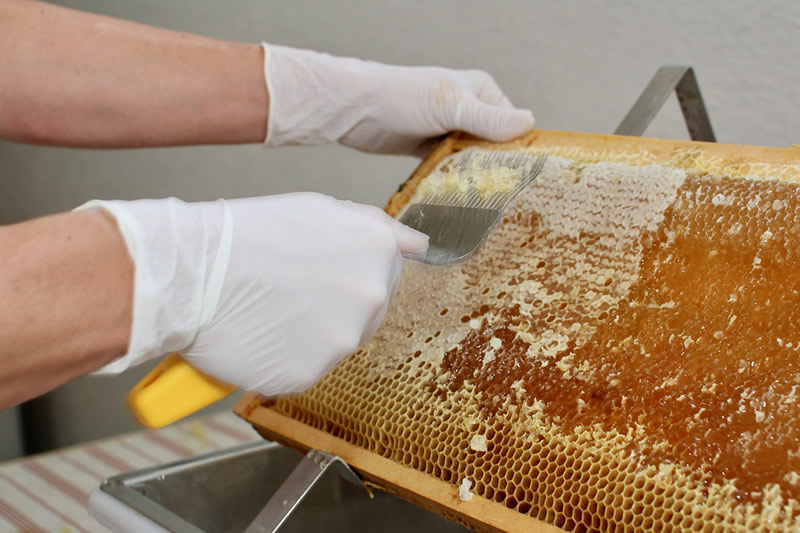
Besides the crush and strain method, there are other manual extraction techniques you can use. These methods are generally more labor-intensive but can be effective if you don’t have a honey spinner.
Comparison: Honey Spinner vs Manual Methods
To help you decide which method is best for you, here’s a comparison of honey spinners and manual extraction methods:
|
Aspect |
Honey Spinner |
Manual Methods |
|---|---|---|
|
Efficiency |
High |
Moderate |
|
Messiness |
Low |
High |
|
Preservation of Comb |
Yes |
No |
|
Time Required |
Short |
Long |
|
Cost |
Higher initial cost |
Lower initial cost |
Conclusion and Best Practices
In conclusion, using a honey spinner is the most efficient and clean way to extract honey, especially if you live in a small apartment. It preserves the honeycomb, reduces mess, and saves time. When choosing a honey spinner, consider models like the Vivo BEE-V004E, Goodland Bee Supply 2 Frame, Honey Keeper Pro 2 Frame, and Mann Lake HH130.
Always follow the proper steps for setup, use, and maintenance to ensure your spinner lasts for years. If you don’t have a honey spinner, methods like crush and strain can be effective alternatives, though they are more labor-intensive and messy.
Frequently Asked Questions (FAQ)
How long does it take to extract honey using a spinner?
It usually takes about 10-20 minutes to extract honey using a spinner, depending on the number of frames and the speed of the spinner.
Can I use any frame size with these honey spinners?
Most honey spinners are designed to accommodate standard frame sizes. However, it’s always best to check the specifications of the spinner to ensure it fits your frames. For more tips on beekeeping, check out our urban apiary guide.
What is the average lifespan of a honey spinner?
The average lifespan of a honey spinner can vary depending on the quality and frequency of use. With proper maintenance, a high-quality spinner can last for many years.
How do I store my honey after extraction?
Store your honey in clean, airtight containers to keep it fresh. Keep the containers in a cool, dry place away from direct sunlight. For more tips on beekeeping, check out this urban beekeeping guide.
Are there any safety precautions while using a honey spinner?
Yes, always follow the manufacturer’s instructions and safety guidelines. Ensure the spinner is securely placed on a stable surface, and avoid overloading it with frames. If using an electric spinner, make sure it’s properly grounded to prevent electrical hazards.
Therefore, choosing the right method for honey extraction depends on your specific needs and circumstances. While honey spinners offer efficiency and cleanliness, manual methods can be useful in a pinch and require less initial investment.
By following these guidelines and choosing the right honey spinner, you can enjoy the sweet rewards of your beekeeping efforts without the hassle and mess. Happy honey harvesting!




Leave a Reply