
When it comes to beekeeping, safety is the name of the game. Whether you’re a seasoned apiarist or just getting started, understanding the importance of a reliable bee suit can make all the difference. Let’s dive into the essentials of bee suits and why they’re a must-have for every beekeeper.
Key Takeaways
- Bee suits are crucial for protecting against painful stings.
- Comfort and mobility are essential for effective beekeeping.
- Durability ensures that your bee suit will last for many seasons.
- Full body suits offer the most comprehensive protection.
- Ventilated suits help keep beekeepers cool and comfortable.
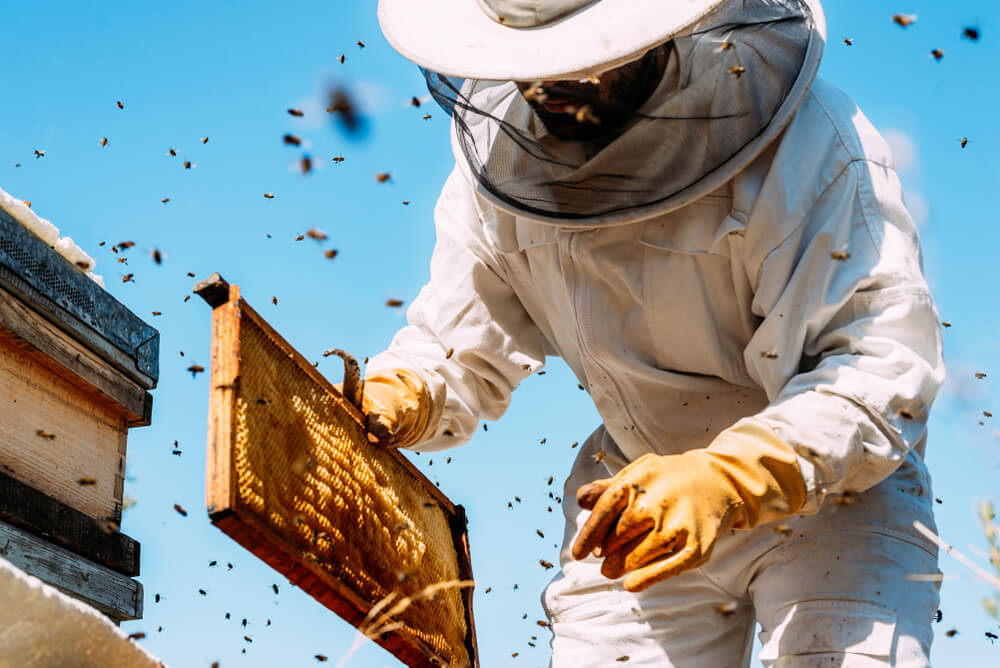
“Backyard Beekeeping …” from modernfarmer.com
Why Beekeeping Suits Matter
Beekeeping suits are not just a fashion statement; they are an essential piece of equipment that provides protection from bee stings. A good suit can prevent painful stings and allow you to work with confidence around your hives.
Protection from Stings
The primary purpose of a bee suit is to keep you safe from bee stings. Bees can become agitated for various reasons, and when they do, a suit acts as your first line of defense. The suit’s material and design are crafted to prevent bees from reaching your skin, ensuring you remain sting-free.
Ensuring Comfort and Mobility
It’s not just about protection. Comfort and mobility are also key. A well-designed bee suit allows you to move freely, which is crucial when you’re tending to your bees. The right fit means you won’t feel restricted or uncomfortable, even during long hours of work.
Most importantly, comfort extends to temperature regulation. Beekeeping can be hot work, especially in the sun. Therefore, many suits are designed with ventilation to help keep you cool. For more details on beekeeping attire, check out our Bee Smart Full Body Beekeeping Suit Guide.
Durability and Longevity
Investing in a durable bee suit means you won’t have to replace it frequently. Quality suits are made from robust materials that withstand wear and tear, providing long-term protection. A durable suit is not only cost-effective but also ensures your safety for many beekeeping seasons.
Types of Beekeeping Suits
There are several types of beekeeping suits available, each offering different levels of protection and comfort. Understanding these types will help you choose the right suit for your needs.
“Choosing the right bee suit is about balancing protection, comfort, and cost. Your safety and peace of mind are worth the investment.”
Full Suits
- Provide total body protection from head to toe.
- Include integrated veils to protect the face and neck.
- Often feature elasticized cuffs to prevent bees from entering.
Full suits are the gold standard for beekeepers who want maximum protection. They cover your entire body, leaving no skin exposed to potential stings. For those new to beekeeping, a full suit can offer peace of mind as you become more comfortable working with bees.
Choosing the Right Bee Suit for You
Choosing the right bee suit is crucial for both safety and comfort. With so many options available, it can be overwhelming to decide which suit best meets your needs. Here’s how you can make an informed choice.
First, think about the level of protection you need. If you’re new to beekeeping or handling aggressive bees, a full-body suit might be your best bet. Experienced beekeepers who are more comfortable around bees might opt for a jacket and veil combination.
Finding the Right Fit
Fit is essential when selecting a bee suit. A suit that’s too tight can restrict your movement, while a suit that’s too loose might allow bees to get inside. Look for a suit that fits snugly but still allows you to move freely. Many suits come in various sizes, so try a few to find the best fit.
Considering Material and Construction
The material of your bee suit is another important factor. Cotton is a popular choice because it’s durable and breathable. However, some suits use synthetic materials that offer better ventilation and lighter weight. Consider the climate in your area and how much time you’ll spend in the suit. For more information on maintaining your bee suit, check out these cotton beekeeping suit cleaning methods.
Construction quality is also vital. Check the seams and zippers to ensure they’re strong and well-made. A poorly constructed suit can compromise your safety.
Evaluating Cost vs. Features
Cost is always a consideration, but it’s important to balance price with features. A more expensive suit might offer better protection and durability, saving you money in the long run. Evaluate the features that are most important to you, such as ventilation, pockets, and reinforced knees. For more insights, check out this Bee Smart Full Body Beekeeping Suit Guide.
- Set a budget but be flexible for quality.
- Compare features like ventilation and protection.
- Look for discounts or sales to get the best deal.
Remember, a good bee suit is an investment in your safety and comfort. It’s worth spending a little more for a suit that will last and keep you protected.
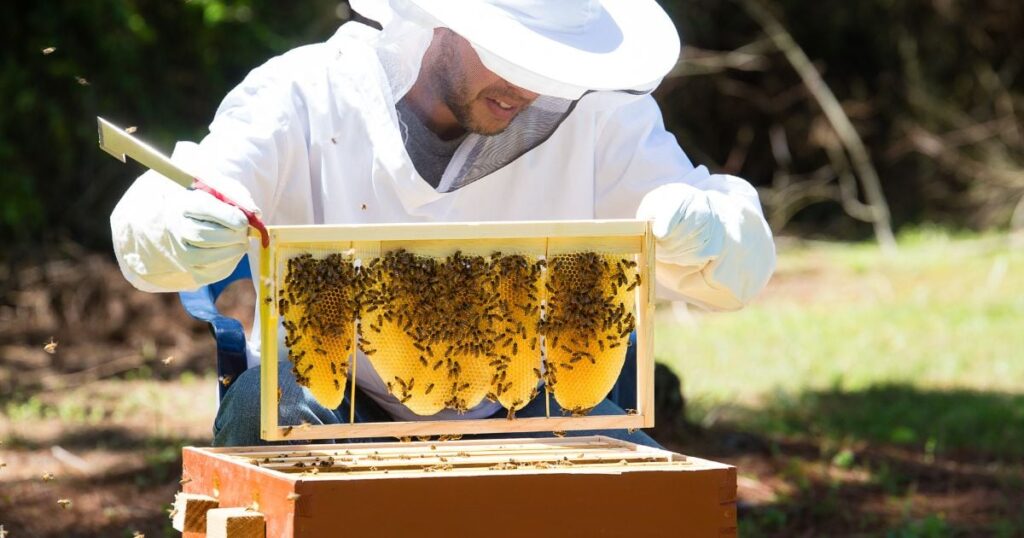
“What Is Natural Beekeeping? | Ben’s Bees” from www.bensbees.com.au
Important Features to Look For
When shopping for a bee suit, there are several features to keep in mind that can enhance your safety and comfort. For instance, understanding the best cotton beekeeping suit cleaning methods can ensure your suit remains in top condition.
Quality Zippers and Closures
One of the most important features is quality zippers and closures. These ensure that your suit stays securely fastened and prevents bees from finding their way inside. Look for suits with metal zippers and secure velcro or elastic closures.
Strong zippers are particularly important around the veil and cuffs. These areas are most vulnerable to bee intrusion, so a secure closure is essential.
Don’t forget to check the zipper pulls. They should be easy to grip, even with gloves on, to make zipping up quick and hassle-free.
Elasticity in Critical Areas
Elasticity in areas like the wrists, ankles, and waist helps keep the suit snug against your body. This prevents bees from entering the suit and ensures a better fit. Look for suits with adjustable elastic or drawstrings to customize the fit.
Integrated Veils
An integrated veil is a convenient feature that protects your face and neck. It eliminates the need for separate headgear, simplifying the process of suiting up. Make sure the veil is made from a fine mesh that allows for clear vision while keeping bees out.
Some veils are designed to stand away from your face, providing more comfort and reducing the risk of stings. Consider this feature if you plan to spend long hours in the apiary.
Pockets and Tool Access
- Deep pockets for carrying tools and supplies.
- Easy access to essential items like hive tools and smokers.
- Secure closures to prevent losing items while working.
Pockets can be incredibly handy when you’re working with bees. Look for suits with multiple pockets to keep your tools and supplies within reach. This will save you time and effort, allowing you to focus on your bees.
In conclusion, choosing the right bee suit involves considering your protection needs, comfort preferences, and the specific features that will make your beekeeping experience safer and more enjoyable.
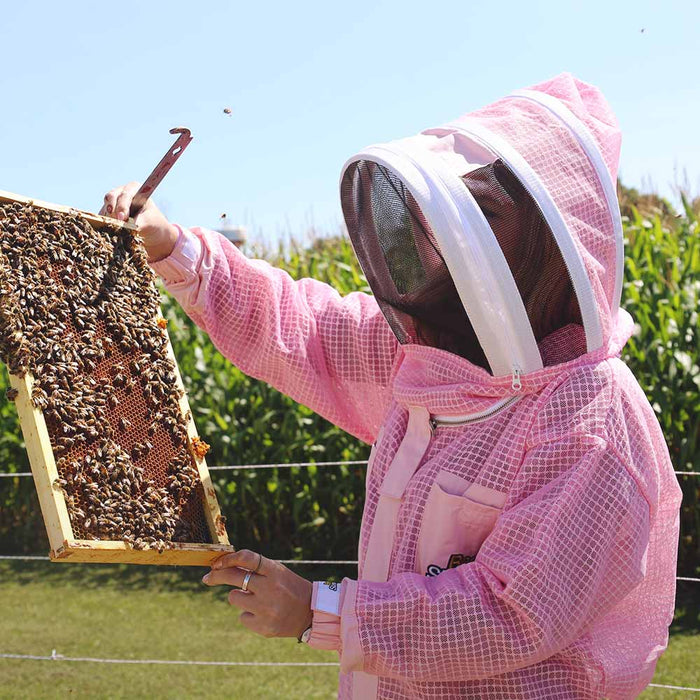
“Bee Steward | Pink Vented Beekeeping …” from www.dancingbeeequipmentusa.com
Taking Care of Your Beekeeping Suit
Your bee suit is an investment, and taking proper care of it will ensure it lasts for many seasons. Regular maintenance not only prolongs the life of your suit but also ensures it continues to provide the protection you need. For tips on enhancing your beekeeping practices, explore our guide on frame feeder techniques.
Cleaning and Maintenance Tips
Cleaning your bee suit regularly is crucial to maintaining its effectiveness. Bees are attracted to the scent of honey and other hive materials, so keeping your suit clean helps prevent unwanted attention from bees. For more detailed guidance, check out our Bee Smart Full Body Beekeeping Suit Guide.
Most bee suits are machine washable, but it’s essential to check the manufacturer’s instructions before washing. Use a gentle detergent and cold water to avoid damaging the fabric.
After washing, hang your suit to dry in a well-ventilated area. Avoid using a dryer, as the heat can weaken the fabric and reduce its protective qualities.
- Wash your suit after every few uses, especially after heavy hive work.
- Inspect for any tears or damage after each use.
- Repair any small tears immediately to prevent them from getting larger.
Storing Your Suit Properly
Proper storage is key to maintaining the integrity of your bee suit. Store it in a cool, dry place away from direct sunlight, which can cause the fabric to fade and weaken over time.
Consider using a garment bag to protect your suit from dust and pests. Make sure your suit is completely dry before storing it to prevent mold and mildew. For more information on keeping your beekeeping attire in top condition, check out this Bee Smart Full Body Beekeeping Suit Guide.
Repairing Common Damages
Even the best suits can suffer from wear and tear. Common issues include torn fabric and broken zippers. Small tears can often be repaired with a needle and thread, but larger damages might require professional repair.
For broken zippers, you can often find replacement zipper pulls at a fabric store. If the zipper itself is damaged, consider taking your suit to a tailor for a replacement. For more tips on maintaining your beekeeping gear, check out this Bee Suit Beekeeping Guide.
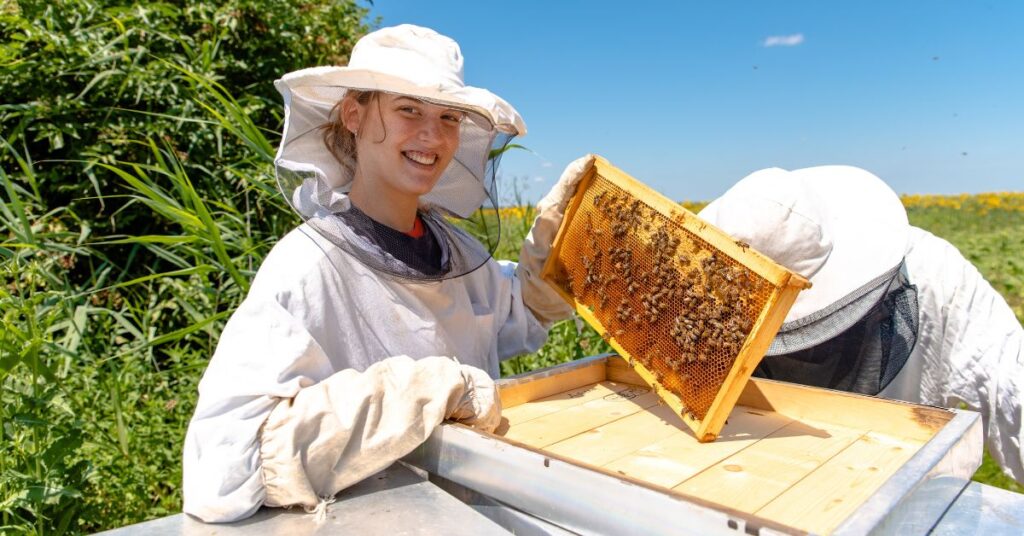
“A Guide to Beekeeping Protective Clothing” from www.dadant.com
Final Thoughts on Selecting the Best Bee Suit
Choosing the right bee suit is about finding the perfect balance between protection, comfort, and cost. A good suit will provide peace of mind and allow you to focus on what you love—beekeeping. For more information on selecting the right suit, check out our Bee Suit Beekeeping Guide.
Remember, the right suit will keep you safe and comfortable, enabling you to work confidently with your bees. Don’t rush the decision; take your time to try different options and find the suit that best fits your needs. For more guidance, check out this Bee Smart Full Body Beekeeping Suit Guide.
Frequently Asked Questions
Even with all this information, you might still have questions. Here are some common queries that beekeepers often have about their beekeeping suits.
Are beekeeping suits completely sting-proof?
While beekeeping suits provide significant protection against stings, no suit is entirely sting-proof. Bees can sometimes sting through thin areas or seams. However, a quality suit will significantly reduce the likelihood of being stung.
How often should I replace my bee suit?
The lifespan of a bee suit depends on its quality and how often it’s used. With proper care, a high-quality suit can last several years. Regularly inspect your suit for signs of wear and replace it when it no longer provides adequate protection. For more information on maintaining your bee suit, check out this Bee Smart Full Body Beekeeping Suit Guide.
Can I use a bee jacket instead of a full suit?
Yes, a bee jacket can be a suitable option, especially for experienced beekeepers who are comfortable working with bees. However, a full suit offers more comprehensive protection and is recommended for beginners or when working with aggressive bees.
Ultimately, the choice between a full suit and a jacket depends on your personal preference and the level of protection you need. Consider your comfort and safety as you make your decision.




Leave a Reply