
Key Takeaways
-
Regular cleaning of bee habitats is crucial for preventing disease and parasite infestation.
-
Understanding the types of bee habitats and their maintenance needs helps promote bee health and biodiversity.
-
Natural cleaning methods are preferred to avoid harming bees or the environment.
-
Creating a bee-friendly garden with the right plants can enhance bee habitat quality.
-
Seasonal timing for habitat cleaning is important to align with the bees’ life cycles.
Why Bee Habitat Cleaning Matters
Bee populations around the world are declining due to various threats such as habitat loss, use of pesticides, and diseases. By keeping their habitats clean, we help mitigate some of these issues, giving bees a better chance to flourish. Clean habitats are less likely to harbor pathogens and parasites that can devastate bee colonies.
Supporting Pollinators for a Healthy Ecosystem
Bees are the champions of pollination, facilitating the reproduction of many flowering plants. This isn’t just about beautiful gardens; it’s about survival. Many crops depend on bees for fruit and seed production, which in turn supports our food supply. A well-maintained bee habitat is a stepping stone towards a resilient and abundant ecosystem.
Challenges Bees Face and How We Can Help
Besides the loss of natural foraging and nesting sites, bees also face challenges from invasive species and climate change. As gardeners, we can combat these issues by creating and preserving clean, safe environments for bees. It’s our responsibility to ensure that our little buzzing friends have the best possible living conditions.
Recognizing and Protecting Bee Habitats

Before we roll up our sleeves and get to work, we need to know what we’re dealing with. Bee habitats can range from natural settings like hollowed-out trees and underground burrows to man-made structures like bee hotels and hives. Recognizing these habitats is the first step towards effective maintenance.
Common Types of Bee Habitats
Bees are incredibly diverse, with over 20,000 known species, each with unique nesting preferences. Some bees, like bumblebees, nest underground, while others, such as mason bees, prefer cavities in wood or hollow stems. Understanding these preferences helps us tailor our cleaning and maintenance efforts.
Seasonal Changes and Bee Activity
Bees’ needs change with the seasons. In spring and summer, they’re actively foraging and nesting, while in autumn and winter, they hunker down. Cleaning and maintenance activities should be timed to avoid disrupting their natural cycles and to prepare habitats for the coming season.
Cleaning Bee Habitats: Step by Step
Now that we’re equipped with knowledge about bees and their habitats, let’s talk about cleaning. A clean bee habitat is like a clean home—it’s a healthy environment that supports its inhabitants’ well-being. Here’s a step-by-step guide to keeping these essential spaces tidy. For more detailed instructions, consider following the best practices for increasing nesting habitat for native bees.
Gathering Your Cleaning Supplies
First things first, gather your supplies. You’ll need gloves, a brush or cloth, and a natural cleaning solution like diluted vinegar. Stay away from harsh chemicals—they can be harmful to bees and the environment. Always opt for biodegradable and bee-friendly products.
Safety First: Protecting Yourself and the Bees

Before you start, ensure you’re wearing protective clothing to avoid stings. Although we’re helping the bees, they might not see it that way! Also, be gentle and mindful of the bees’ presence to minimize stress and disturbance to the colony.
Cleaning Without Chemicals: Natural Methods
Nature knows best, so when it comes to cleaning, simple is often most effective. A diluted vinegar solution can work wonders for removing dirt and deterring pests without introducing toxins. Scrub gently and rinse with water to provide a fresh start for the bees.
DIY Tips for Bee Habitat Maintenance
Maintaining a bee habitat doesn’t require a degree in entomology or fancy equipment. With a few simple tools and some elbow grease, you can create a sanctuary for bees right in your backyard. Here are some DIY tips that will make you the talk of the hive!
Creating a Bee-Friendly Garden
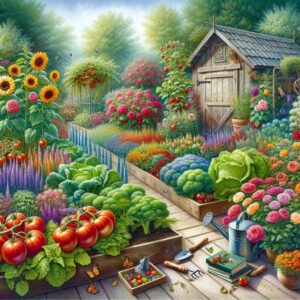
Creating a garden that’s a haven for bees is both rewarding and beneficial. Start by choosing a variety of plants that bloom at different times of the year to provide a consistent food source. Native plants are particularly valuable because they’ve evolved alongside local bee species. Remember, diversity is key—mix it up with flowers, shrubs, and trees to provide a range of pollen and nectar.
Attracting Bees with the Right Flowers
Bees have their preferences when it comes to flowers. They’re particularly fond of blue, purple, and yellow blooms. Flowers like lavender, borage, and sunflowers are not only beautiful but also some of the bees’ favorite pit stops. Planting in clumps rather than singly can make it easier for bees to spot and access the flowers. For more guidance on creating a bee-friendly garden, check out this sustainable bee habitat creation guide.
Homemade Bee Hotels: A How-To Guide
Want to roll out the welcome mat for solitary bees? Build a bee hotel! You can use untreated wood, bamboo, or even cardboard tubes. Drill holes of various sizes to accommodate different species but keep them shallow to prevent moisture build-up. Place your bee hotel in a sunny spot, but shielded from the harshest midday sun, and watch as your buzzing guests move in.
Timing is Everything: When to Clean Bee Habitats

Just like you wouldn’t vacuum the living room during a dinner party, timing is crucial when cleaning bee habitats. You want to ensure minimal disruption to the bees’ busy schedules.
Understanding Bee Life Cycles
Each bee species has its own life cycle, but most follow a similar pattern: emerge in spring, forage and nest through summer, and prepare for winter in the fall. Cleaning should ideally happen when bees are least active, usually late fall or early winter, to avoid destroying active nests or harming the bees. For those interested in creating a safe environment for bees, consider learning how to build a mason bee habitat with our easy DIY guide.
Best Seasons for Habitat Maintenance
So when is the best time to clean? Typically, late fall through winter is your window. This is when many bees are dormant, and you’re less likely to cause harm. It’s also a good time to prepare habitats for the next season’s newcomers. Always check for signs of activity before you start—some species may still be present.
-
Check bee habitats in late autumn for signs of activity.
-
Clean habitats during the bees’ dormant season, usually in the winter.
-
Prepare nesting sites early so they’re ready for spring arrivals.
Remember, bee habitat cleaning isn’t just about the immediate benefits. It’s an investment in the future of our environment and the countless species, including ourselves, that rely on these industrious pollinators. By following these guidelines, you’ll not only help the bees but also contribute to a larger effort to foster a sustainable and thriving world.
Remember, bee habitat cleaning isn’t just about the immediate benefits. It’s an investment in the future of our environment and the countless species, including ourselves, that rely on these industrious pollinators. By following these guidelines, you’ll not only help the bees but also contribute to a larger effort to foster a sustainable and thriving world.
Frequently Asked Questions (FAQ)
When it comes to bee habitat cleaning, there are always plenty of questions, especially for those who are new to the practice or are looking to improve their methods. Let’s tackle some of the most common queries to ensure you’re well-prepared for your role as a bee habitat guardian.
How often should I clean my bee habitat?
The frequency of cleaning a bee habitat depends on the type of habitat and the level of activity. Generally, a thorough cleaning once a year is sufficient. This is best done in late fall or winter when many bees are dormant. However, keep an eye out for any signs of disease or parasite infestation, which may necessitate more immediate action.
What materials are safe to use for cleaning bee habitats?
When cleaning bee habitats, always opt for natural, non-toxic materials. A solution of water and vinegar is a safe and effective cleaning agent. Avoid using bleach or other harsh chemicals, as these can be harmful to bees and other beneficial insects that may visit the habitat.
Can I clean a bee habitat without causing harm to the bees?
Yes, you can clean a bee habitat without harming the bees by choosing the right time and using safe materials. Always clean during the bees’ dormant season to avoid disrupting active nests. Be gentle when cleaning and avoid using any chemicals that could harm the bees or contaminate their environment.
What plants should I include in my garden to promote a healthy bee habitat?
To create a garden that promotes a healthy bee habitat, include a variety of plants that bloom at different times throughout the year. Focus on native species and consider plants like lavender, sunflowers, and wildflowers that are known to attract bees. Grouping plants together can also help bees conserve energy as they forage.
How can I encourage my community to participate in bee habitat cleaning?
Encouraging community involvement in bee habitat cleaning can be achieved by raising awareness about the importance of bees and their habitats. Organize local workshops or cleaning events, share educational materials, and collaborate with schools and community gardens to spread the word and get more people involved.



Leave a Reply