
Key Takeaways
- Urban gardens can provide essential forage for bees, helping them thrive in city environments.
- Choosing a mix of annual and perennial flowers ensures continuous nectar and pollen supply.
- Wildflowers, native plants, and flowering herbs are top choices for urban bee forage.
- Seed mixes designed for urban environments support biodiversity and are easy to maintain.
- Utilizing vertical gardens and container gardening can maximize forage in small urban spaces.

The Importance of Urban Bee Forage
Bees play a crucial role in pollination, which is essential for the production of fruits, vegetables, and flowers. In urban areas, creating spaces that provide forage for bees can significantly impact their survival and the health of the ecosystem.
Why Bees Thrive in Urban Areas
Urban areas might seem like an unlikely haven for bees, but they offer several advantages that rural and suburban areas often lack. These benefits include diverse floral availability, reduced pesticide usage, and favorable microclimates.
Diverse Floral Availability
Cities are home to a wide variety of plants, from ornamental gardens to community green spaces. This diversity provides bees with a consistent and varied source of nectar and pollen throughout the growing season. Unlike monoculture crops in rural areas, urban gardens offer a rich tapestry of floral resources.
Reduced Pesticide Usage
In urban environments, there’s generally less reliance on pesticides compared to agricultural areas. This reduction in chemical use means bees are less likely to be exposed to harmful substances, leading to healthier colonies and better pollination outcomes. For those interested in supporting urban bee populations, consider planting a bee feed flower seed mix.
Microclimate Benefits
Urban areas often create unique microclimates due to the heat island effect, where buildings and pavement absorb and retain heat. These warmer conditions can extend the growing season, allowing bees to forage for longer periods. Additionally, sheltered urban spaces can protect bees from harsh weather conditions.
Essential Seed Mix Components for Urban Bee Forage
When selecting a seed mix for urban bee forage, it’s important to include a variety of plants that cater to the nutritional needs of bees. This means incorporating both annual and perennial flowers, as well as plants that are rich in nectar and pollen.
Annual vs. Perennial Flowers
Annual flowers complete their life cycle in one growing season, providing a quick burst of color and forage. Perennial flowers, on the other hand, return year after year, offering a reliable source of food for bees. By combining both types, you ensure a continuous supply of forage throughout the seasons. For more tips on urban beekeeping, check out this guide to backyard hive life.
Nectar-Rich Flower Varieties
Nectar is a vital energy source for bees. Flowers that produce abundant nectar are essential for keeping bees healthy and active. Some top nectar-rich varieties include: Bee Feed Flower Seed Mix.
“Bee balm, lavender, and sunflowers are excellent choices for providing ample nectar.”
Pollen-Rich Flower Varieties
Pollen provides bees with the protein they need for growth and development. Including pollen-rich plants in your seed mix ensures that bees have a balanced diet. Consider adding these to your garden:
- Goldenrod
- Cosmos
- Borage
Wildflowers
Wildflowers are a fantastic addition to any urban garden designed to support bee forage. They are not only beautiful but also incredibly beneficial for pollinators. Wildflowers often require less maintenance than cultivated plants, making them ideal for busy city gardeners.
Some excellent wildflower choices for urban bee forage include:
- California Poppy
- Black-eyed Susan
- Blue Cornflower
These flowers are known for their hardiness and ability to thrive in various conditions, ensuring that your garden remains vibrant and bee-friendly throughout the growing season.
Native Plants
Incorporating native plants into your garden is one of the best ways to support local bee populations. Native plants are well-adapted to the local climate and soil conditions, making them more resilient and easier to grow. Additionally, native plants have co-evolved with local pollinators, providing them with the ideal food sources. For more information, check out this Bee Feed Flower Seed Mix.
Some top native plant choices for urban bee forage include:
- Milkweed
- Goldenrod
- Joe-Pye Weed
Flowering Herbs
Flowering herbs are another excellent option for urban gardens. They provide both nectar and pollen, and many herbs are also useful for culinary purposes. This dual benefit makes them a popular choice for city gardeners looking to maximize the utility of their space. For more information, check out this Bee Feed Flower Seed Mix.
Consider planting these flowering herbs to attract bees:
- Thyme
- Oregano
- Chives
Benefits of Using a Seed Mix

Using a seed mix specifically designed for bee forage offers numerous benefits. These mixes are carefully curated to include a variety of plants that bloom at different times, ensuring a continuous supply of food for bees.
Moreover, seed mixes can simplify the planting process, making it easier for urban gardeners to create a bee-friendly environment without extensive knowledge of plant species. For more tips, check out our guide on urban beekeeping.
Continuous Forage Supply
A well-designed seed mix will include plants that bloom from early spring to late fall. This continuous forage supply is crucial for maintaining healthy bee populations, as it ensures that bees have access to food throughout their active months. For more information, check out the Bee Feed Flower Seed Mix.
Biodiversity and Ecosystem Support
Planting a diverse range of flowers not only benefits bees but also supports overall biodiversity. A variety of plants can attract different pollinators and other beneficial insects, creating a more balanced and healthy ecosystem in your urban garden.
For example, a mix that includes both nectar and pollen-rich plants can cater to the dietary needs of various bee species, promoting a more robust pollinator community.
Easy Maintenance for Urban Gardeners
Seed mixes designed for urban environments are typically low-maintenance, making them perfect for city dwellers with limited time and space. These mixes often include hardy plants that require minimal care, allowing you to enjoy a thriving garden with less effort.
Additionally, many seed mixes are formulated to be drought-tolerant, reducing the need for frequent watering and making them more sustainable for urban settings.
“A blend of annual and perennial flowers provide nectar and pollen to wild bees, honey bees, and other pollinators. This bee feed seed mix contains early-, mid-, and late-blooming flowers in order to provide bee forage all season long.”
Seed Mix Recommendations
When selecting a seed mix for your urban garden, consider the specific needs of your local bee populations and the growing conditions in your area. Look for mixes that include a variety of flowers with different bloom times and nutritional profiles.
Here are some top seed mix recommendations for urban bee forage:
- Pollinator Mix: Includes a blend of wildflowers and native plants that bloom from spring to fall.
- Bee-Friendly Mix: Focuses on nectar and pollen-rich flowers, ideal for supporting bee health.
- Urban Garden Mix: Designed for small spaces, with compact plants that thrive in containers and vertical gardens.
“Honey Bee Wildflower Seed Mix provides honey bee forage for the entire growing season. This wildflower seed mix includes annual and perennial flowers that are proven favorites of honey bees in our gardens.”
Best Mixes for Various Climates

Different climates require different plant species to ensure successful growth and forage availability. Here are some recommendations based on climate:
- Temperate Climates: Look for mixes that include a variety of hardy perennials and annuals, such as lavender, coneflower, and cosmos.
- Arid Climates: Choose drought-tolerant species like desert marigold, salvia, and blanketflower.
- Tropical Climates: Opt for plants that thrive in warm, humid conditions, such as hibiscus, lantana, and zinnia.
Where to Purchase Quality Seed Mixes
Quality seed mixes can be purchased from various sources, including local garden centers, online retailers, and specialty seed companies. When buying seeds, look for reputable suppliers that offer high-quality, non-GMO seeds.
Some recommended online retailers for bee-friendly seed mixes include:
Planting Tips for Urban Spaces
Planting a bee-friendly garden in an urban environment comes with its own set of challenges and opportunities. Here are some tips to help you get started: Consider using a bee feed flower seed mix to attract and nourish pollinators in your garden.
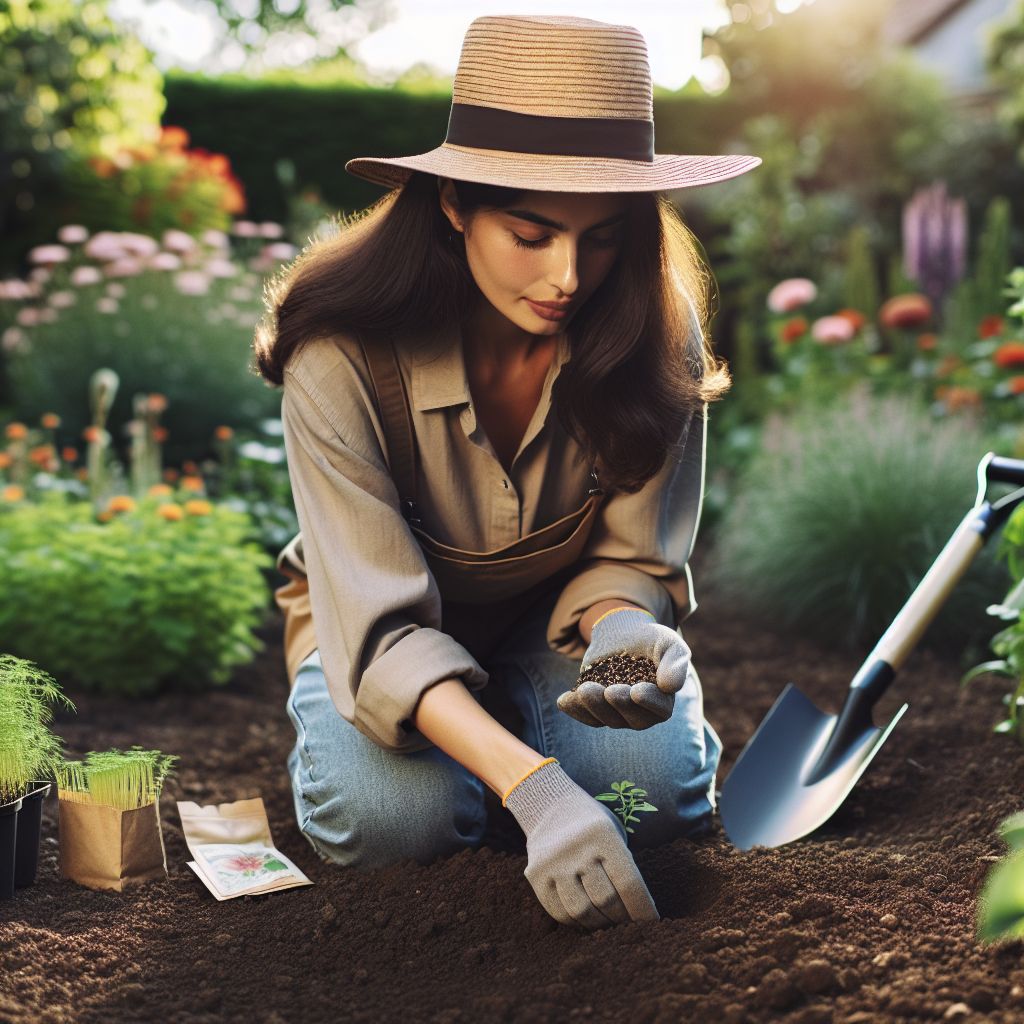
- Choose the Right Location: Select a sunny spot with good drainage. Bees prefer areas that receive at least six hours of sunlight per day.
- Prepare the Soil: Ensure the soil is well-aerated and rich in organic matter. Adding compost can improve soil quality and support plant growth.
- Water Wisely: Water your plants early in the morning or late in the evening to reduce evaporation and ensure the roots absorb the moisture.
- Maintain Regularly: Keep your garden free of weeds, which can compete with your plants for nutrients and water. Regularly deadhead flowers to encourage continuous blooming.
Maximizing Forage in Small Urban Spaces
Even if you have limited space, you can still create a thriving bee-friendly garden. Utilize vertical gardening and container gardening strategies to maximize your available area.
“Utilizing vertical gardens can significantly increase the amount of forage available in small urban spaces. By planting climbing plants and using wall-mounted planters, you can create a multi-layered garden that provides ample food for bees.”
Urban gardens can provide essential forage for bees, helping them thrive in city environments. Choosing a mix of annual and perennial flowers ensures continuous nectar and pollen supply. Wildflowers, native plants, and flowering herbs are top choices for urban bee forage. Seed mixes designed for urban environments support biodiversity and are easy to maintain. Utilizing vertical gardens and container gardening can maximize forage in small urban spaces.
Utilizing Vertical Gardens
Vertical gardens are an excellent way to maximize space in urban environments. By growing plants on walls, trellises, or other vertical structures, you can create a lush, multi-layered garden that provides ample forage for bees.
To create a vertical garden, start by selecting a sunny wall or fence. Install a trellis, wall-mounted planters, or a vertical garden system. Choose climbing plants and trailing flowers that bees love, such as honeysuckle, clematis, and sweet peas.
“Utilizing vertical gardens can significantly increase the amount of forage available in small urban spaces. By planting climbing plants and using wall-mounted planters, you can create a multi-layered garden that provides ample food for bees. For more tips on urban beekeeping, check out this urban beekeeping guide.”
Remember to water your vertical garden regularly and provide support for climbing plants as they grow. With the right care, your vertical garden will become a thriving oasis for bees.
Container Gardening Strategies
Container gardening is another great way to create a bee-friendly garden in limited space. Containers can be placed on balconies, rooftops, patios, or even windowsills, making them perfect for urban environments.
When choosing containers, opt for a variety of sizes and shapes to create visual interest and accommodate different plant types. Use high-quality potting soil and ensure containers have proper drainage to prevent waterlogging.
Some excellent container plants for bees include:
For a comprehensive list of bee-friendly plants, check out the Bee Feed Flower Seed Mix.
- Lavender
- Marigolds
- Geraniums
Community Garden Collaborations
Community gardens are a fantastic way to create larger bee-friendly spaces in urban areas. By collaborating with neighbors and local organizations, you can establish a shared garden that benefits both bees and the community.
Start by identifying a suitable location, such as a vacant lot or public park. Work with local authorities to secure permission and gather support from community members. Organize planting days and educational workshops to engage participants and share knowledge about bee-friendly gardening practices.
Community gardens can include a mix of wildflowers, native plants, and flowering herbs to provide continuous forage for bees. Additionally, they can serve as educational spaces to raise awareness about the importance of pollinators and sustainable gardening practices. For more information on suitable plants, consider checking out this Bee Feed Flower Seed Mix.
Conclusion
- Urban gardens can provide essential forage for bees, helping them thrive in city environments.
- Choosing a mix of annual and perennial flowers ensures continuous nectar and pollen supply.
- Wildflowers, native plants, and flowering herbs are top choices for urban bee forage.
- Seed mixes designed for urban environments support biodiversity and are easy to maintain.
- Utilizing vertical gardens and container gardening can maximize forage in small urban spaces.
Creating a bee-friendly garden in an urban environment is not only beneficial for bees but also for the overall ecosystem. By selecting the right plants and utilizing innovative gardening strategies, you can transform even the smallest spaces into thriving havens for pollinators.
Whether you’re planting a vertical garden, using containers, or collaborating with your community, every effort counts in supporting our vital bee populations. Together, we can create urban oases that buzz with life and contribute to a healthier, more sustainable world.
Creating a Bee-Friendly Urban Oasis
To create a bee-friendly urban oasis, start by selecting a variety of plants that bloom at different times of the year. This ensures a continuous supply of nectar and pollen for bees. Incorporate a mix of wildflowers, native plants, and flowering herbs to provide diverse forage options.
Use vertical gardens and container gardening to maximize space and create multi-layered habitats. Collaborate with your community to establish larger bee-friendly spaces and raise awareness about the importance of pollinators.
By following these steps, you can create a beautiful, thriving garden that supports bees and enhances the urban environment.
Frequently Asked Questions (FAQ)
What are the best flowers to plant for bees?
Some of the best flowers to plant for bees include lavender, bee balm, sunflowers, cosmos, and borage. These flowers are rich in nectar and pollen, providing essential food sources for bees.
How do I attract bees to my urban garden?
To attract bees to your urban garden, plant a variety of nectar and pollen-rich flowers that bloom throughout the growing season. Avoid using pesticides, provide a water source, and create sheltered areas where bees can rest.
When is the best time to plant a bee forage seed mix?
The best time to plant a bee forage seed mix is in the spring or fall. Spring planting allows flowers to establish before the growing season, while fall planting ensures early blooms the following spring.
How often should I water my bee-friendly garden?
Water your bee-friendly garden regularly, especially during dry periods. Most plants need about 1 inch of water per week. Water early in the morning or late in the evening to reduce evaporation and ensure the roots absorb the moisture.
Do I need to use fertilizers or pesticides?
It’s best to avoid using pesticides in a bee-friendly garden, as they can harm pollinators. Instead, focus on building healthy soil through composting and organic mulching. If necessary, use natural pest control methods like introducing beneficial insects or using insecticidal soap.
By following these guidelines, you can create a thriving urban garden that supports bees and contributes to a healthier ecosystem.

Leave a Reply