
Key Takeaways
Install electric fencing to deter bears from attacking your bee house.
Place your bee house in areas with sunlight to reduce the risk of pests like hive beetles.
Use mouse guards to prevent mice from entering and damaging the hive.
Regularly inspect your bee house to identify and address predator issues early.
Elevate hives to protect them from skunks and raccoons.

“The Bear and the Beehive | Story.com” from www.story.com
Protecting Your Bee House: Quick and Effective Strategies
Bee houses are a haven for our hardworking pollinators, but they also attract various predators. Protecting these hives is essential to ensure the health and productivity of your bee colonies. Let’s dive into some effective strategies to safeguard your bee house from common predators.
Essential Reasons to Protect Bee Houses
Protecting your bee house is not just about safeguarding the bees; it’s about maintaining the balance of your local ecosystem. Bees play a crucial role in pollination, which is vital for the growth of many crops and plants. Without bees, our food supply would be in jeopardy. Therefore, keeping your bee house safe from predators is a responsibility that benefits everyone.
Identifying Common Bee House Predators
Understanding the common predators that target bee houses is the first step in protecting them. Each predator has its unique way of attacking, and knowing these can help you prepare effective defenses.
Raccoons
Raccoons are notorious for their dexterity and intelligence. They can easily open hive covers and feast on the honey and bees inside. To deter raccoons, ensure your bee house is securely fastened and consider using raccoon-proof latches.
Skunks
Skunks are another common predator. They usually scratch at the entrance of the hive, eating the bees that come out to investigate. To protect against skunks, elevate your bee house at least 18 inches off the ground. This height makes it difficult for skunks to reach the entrance.
“Elevating your bee house not only deters skunks but also helps in protecting against other ground-based predators.”
Bears
Bears are perhaps the most destructive predators. They can tear apart a bee house to get to the honey and brood inside. If you live in an area with bears, installing an electric fence around your bee house is a must. This fence should be at least 5 feet high and electrified to provide a strong deterrent.
Mice
Mice can enter the hive during the winter months and cause significant damage by eating the comb and nesting materials. To prevent mice from entering, use mouse guards made of hardware cloth. Attach these guards to the entrance of the hive to keep mice out while allowing bees to pass through freely.
Strategic Placement of Bee Houses
Where you place your bee house can significantly impact its vulnerability to predators. Choosing the right location is a simple yet effective strategy to keep your bee house safe. For example, high-rise rooftop beekeeping can offer a secure and productive environment for urban beekeepers.
Choosing Sunlight Over Shade
Placing your bee house in a sunny location can help reduce the risk of certain pests. For example, hive beetles prefer shaded areas and are less likely to infest hives that receive ample sunlight. Therefore, aim to place your bee house where it can get sunlight for most of the day. For more insights on managing urban beekeeping, check out this article on city beekeeping challenges and solutions.
Avoiding Bear Habitats

Besides sunlight, it’s crucial to avoid placing your bee house in areas known to be frequented by bears. Bears are drawn to the scent of honey and brood, and once they discover a hive, they tend to return. Therefore, positioning your bee house away from wooded areas or bear trails can significantly reduce the risk of bear attacks.
Building Physical Defenses
Sometimes, strategic placement isn’t enough. Physical defenses are necessary to protect your bee house from persistent predators. These defenses can range from simple barriers to more sophisticated deterrents.
Installing Electric Fencing for Bears
Set up a sturdy fence around your bee house area.
Install electric wires at varying heights, with the lowest wire no more than 6 inches from the ground.
Ensure the fence is at least 5 feet high to deter climbing.
Regularly check the fence for any damage or disruptions in the electric current.
Electric fencing is one of the most effective ways to keep bears at bay. The shock from the fence discourages them from approaching the bee house, protecting your hives from being torn apart.
Setting Up Mouse Guards
Mice can be particularly troublesome during the colder months. They seek warmth and food inside the hive, causing damage to combs and nesting materials. To prevent this, attach mouse guards made of hardware cloth to the entrance of your hive. These guards should have small openings, large enough for bees to pass through but too small for mice.
Elevating Hives to Deter Larger Predators
Elevating your hives is another effective strategy to protect against ground-based predators like skunks and raccoons. Place your hives on stands or platforms at least 18 inches above the ground. This elevation makes it difficult for these predators to reach the hive entrance and disturb the bees.
Natural Predator Deterrents
In addition to physical defenses, natural deterrents can help keep predators at bay. These methods are eco-friendly and can be very effective when used in conjunction with other strategies.
Raising Chickens for Insect Control
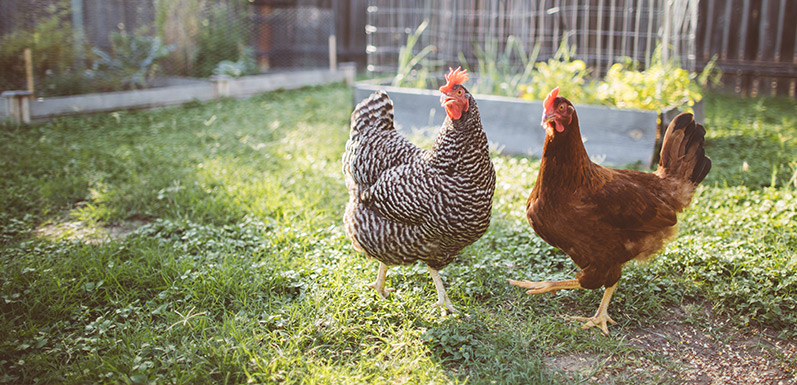
“Can Bees and Backyard Chickens Coexist …” from glorybee.com
Chickens can be excellent allies in your fight against hive pests. They naturally forage for insects, reducing the population of pests like beetles and wasps around your bee house. To maximize their effectiveness:
Allow chickens to roam freely around the bee house area.
Ensure they have access to food and water to keep them healthy and active.
Regularly move their coop to different areas to cover more ground.
Providing clean water sources for your bees is crucial for their health and productivity. Bees need water to regulate the temperature of the hive, dilute honey, and feed larvae. Here are some tips to ensure your bees have access to clean water: consider hive heat solutions to prevent overheating and ensure a steady water supply.
Place shallow dishes of water near the hive, with stones or pebbles for bees to land on.
Change the water regularly to prevent it from becoming stagnant and attracting pests.
Consider installing a small water fountain or birdbath to provide a continuous supply of fresh water.
Replacing Combs and Brood Foundations
Regularly replacing combs and brood foundations is essential to maintaining hive health. Over time, combs can become contaminated with diseases, pesticides, and other harmful substances. Here’s how to keep your hive clean and healthy:
Inspect combs regularly for signs of damage or disease.
Replace old or damaged combs with new ones to prevent the spread of disease.
Rotate brood foundations every few years to ensure a healthy environment for the queen and her brood.
By maintaining clean and healthy combs and brood foundations, you can help ensure the longevity and productivity of your bee colony.
Further Tips and Tricks
In addition to the strategies mentioned above, there are several other tips and tricks you can use to protect your bee house from predators and ensure the health of your bees.
Setting Wasp Traps
Wasps can be a significant threat to bee houses, as they prey on bees and steal honey. Setting wasp traps around your bee house can help control the wasp population and protect your bees. Here’s how to do it:
Purchase or make wasp traps specifically designed to attract and capture wasps.
Place the traps around the perimeter of your bee house, at a safe distance from the hive entrance.
Regularly check and empty the traps to ensure they remain effective.
By controlling the wasp population, you can reduce the threat to your bee house and help your bees thrive. For more tips on urban beekeeping, check out this guide on city beekeeping challenges.
Keeping a Clean Bee Yard
Maintaining a clean bee yard is essential for preventing predator attacks and ensuring the health of your bee colony. Here are some tips for keeping your bee yard clean:
Remove any debris, such as fallen leaves or branches, that could attract predators or pests.
Keep the area around your bee house free of tall grass and weeds, which can harbor pests and provide cover for predators.
Regularly inspect the bee yard for signs of predator activity, such as tracks or droppings, and take appropriate action if necessary.
A clean bee yard not only helps protect your bee house from predators but also creates a healthy environment for your bees to thrive.
Frequently Asked Questions
Here are some common questions about protecting bee houses and ensuring the health of your bee colony: For more detailed information, check out our guide on urban bee box myths.
How Often Should I Inspect My Bee House?
Regular inspections are crucial for identifying and addressing predator issues early. Aim to inspect your bee house at least once a week during the active season and less frequently during the winter months. Look for signs of predator activity, such as damage to the hive or unusual behavior from the bees, and take action as needed.
What Types of Flowers Are Best for Bees?

Planting a variety of flowers can help provide a continuous source of nectar and pollen for your bees. Some of the best flowers for bees include:
Lavender
Sunflowers
Wildflowers
Clover
Marigolds
By planting these flowers around your bee house, you can help ensure your bees have access to the nutrients they need to stay healthy and productive.




Leave a Reply