
Key Takeaways
talian honeybees are known for their gentle nature, making them ideal for beginners.
Essential beekeeping equipment includes a hive, protective gear, smoker, and hive tool.
Proper setup of your apiary involves selecting a safe, sunny location with access to wter.
When introducing Italian honeybees to a new hive, ensure they are well-fed and monitored closely.
Regular hive inspections and maintenance are crucial for a healthy bee colony.
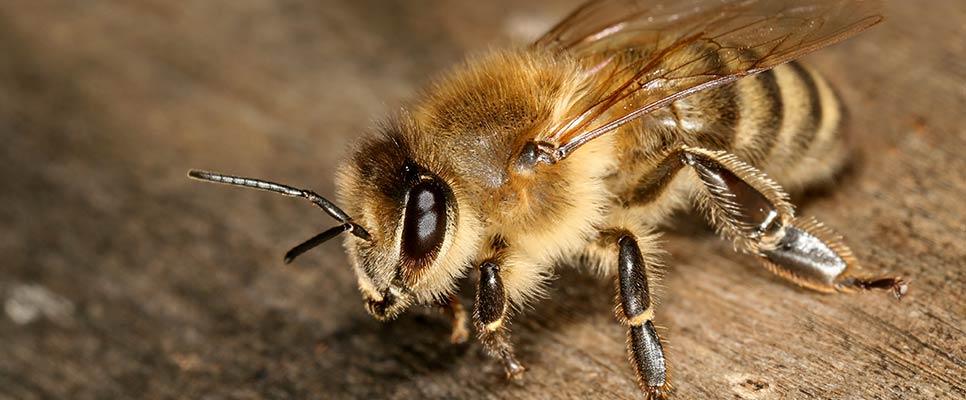
“Harvesting honey: Discover the Traits …” from bobsbeeremoval.com.au
Getting Started with Italian Honeybee Beekeeping
Beekeeping can be a rewarding and fascinating hobby, especially when working with Italian honeybees. Known for their gentle demeanor and productivity, Italian honeybees are a favorite among novice beekeepers. This guide will walk you through the essential steps to get started with Italian honeybee beekeeping.
Why Choose Italian Honeybees?
Italian honeybees, scientifically known as Apis mellifera ligustica, are prized for their gentle nature and high productivity. These bees are less aggressive compared to other species, making them ideal for beginners who might be apprehensive about getting stung. Additionally, Italian honeybees are excellent foragers and produce a substantial amount of honey.
Besides their gentle temperament, Italian honeybees are also known for their strong resistance to diseases and pests, which means fewer headaches for new beekeepers. They adapt well to various climates, although they thrive best in warm, sunny environments.
Essential Equipment List
Before you start your beekeeping journey, you’ll need to gather some essential equipment. Here’s a list of the basics:
Beehive: A modern movable-frame hive, such as the Langstroth hive, is recommended.
Protective Gear: This includes a bee suit, gloves, and a veil to protect you from stings.
Smoker: Used to calm the bees during hive inspections.
Hive Tool: A multi-purpose tool used for prying apart hive components and scraping off excess wax.
Bee Brush: Gently removes bees from frames without harming them.
These items are essential for maintaining a healthy and productive hive. Investing in good-quality equipment will make your beekeeping experience smoother and more enjoyable. For more detailed guidance, check out this Langstroth hive setup guide.
Setting Up Your Apiary
Setting up your apiary correctly is crucial for the success of your beekeeping venture. Here are some steps to help you get started:
Choose a Location: Select a sunny spot that is sheltered from strong winds. The area should be dry and have good drainage to prevent moisture buildup.
Access to Water: Ensure there is a water source nearby. Bees need water for various hive functions, including cooling the hive and feeding the brood.
Safe Distance: Place the hive away from high-traffic areas and ensure it’s not too close to neighbors. A distance of 10-15 feet from any pathway is ideal.Hive Stand: Elevate the hive on a stand to keep it off the ground. This helps with ventilation and prevents pests like ants from invading the hive.
Once your apiary is set up, you’re ready to introduce your Italian honeybees to their new home.
Acquiring and Introducing Italian Honeybees
Now that your apiary is ready, it’s time to acquire your Italian honeybees and introduce them to their new hive. This process requires careful planning and attention to detail.
Where to Buy Italian Honeybees
Italian honeybees can be purchased from reputable bee suppliers or local beekeeping associations. It’s essential to buy from a trusted source to ensure you’re getting healthy bees. You can choose between package bees, nucs (nucleus colonies), or full colonies.
“Most new beekeepers start with a nuc, which includes a queen, workers, and brood. This gives the colony a head start compared to package bees.”
Steps to Safely Introduce Bees to the Hive
Introducing your bees to the hive is a delicate process. Follow these steps to ensure a smooth transition:
Prepare the Hive: Ensure the hive is clean and set up correctly with frames in place.
Install the Bees: Gently shake the bees from the package or nuc into the hive. Place the queen cage between the frames if you’re using a package.
Feed the Bees: Provide a sugar syrup feeder to help the bees settle in and start building comb.
Close the Hive: Close the hive and reduce the entrance to prevent robbing by other bees.
Initial Care and Monitoring
After introducing your bees, monitor the hive closely for the first few weeks. Check for signs of brood production and ensure the queen is laying eggs. Feed the bees regularly until they establish themselves and start foraging on their own.
Regular inspections are crucial during this period. Look for signs of disease, pests, or any abnormalities in the hive. Early detection and intervention can prevent problems from escalating.
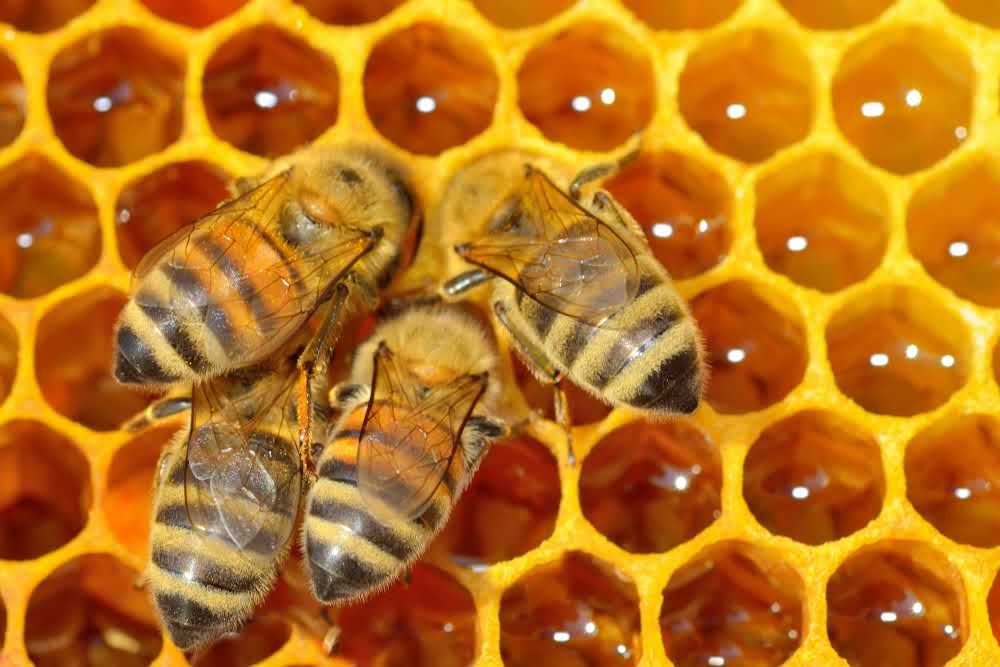
“What Are Italian Bees? Traits, Pros …” from beeprofessor.com
Basic Beekeeping Techniques
Once your bees are settled, it’s time to learn the basic techniques for maintaining a healthy hive. Regular inspections, feeding, and hive maintenance are essential tasks every beekeeper should master.
How to Inspect Your Hive
Regular hive inspections help you monitor the health and productivity of your bees. Here’s a step-by-step guide to inspecting your hive:
For more information on beekeeping practices, you can read about Italian beekeeping in the European Union.
Gather Your Tools: Ensure you have your protective gear, smoker, and hive tool ready.
Light the Smoker: Use the smoker to puff a few gentle smoke clouds at the hive entrance to calm the bees.
Open the Hive: Carefully remove the outer cover and inner cover using the hive tool.
Inspect the Frames: Remove and inspect each frame for brood, honey stores, and signs of disease or pests.
Record Observations: Keep a record of your findings to track the hive’s progress over time.
“Regular inspections are key to identifying issues early and ensuring the health of your bee colony.”
Maintaining Hive Health
Maintaining the health of your hive is crucial for the success of your beekeeping venture. Healthy bees are more productive, and they can better withstand challenges such as diseases and pests. Here are some tips to keep your hive in top condition:
For beginners, setting up your hive correctly is essential. You can follow this Langstroth hive setup guide to ensure you start off on the right foot.
Regular Inspections: Check your hive every 7-10 days during the active season. Look for signs of disease, pests, and the presence of the queen.
Cleanliness: Keep the hive clean by removing debris and dead bees. This helps prevent the spread of diseases.
Ventilation: Ensure proper ventilation to reduce moisture buildup, which can lead to mold and other issues.
Nutrition: Provide supplemental feeding if natural food sources are scarce. This can include sugar syrup or pollen patties.
Managing Pests and Diseases
Pests and diseases can pose significant threats to your bee colony. Early detection and treatment are essential to keep your bees healthy. Let’s explore some common pests and diseases and how to manage them effectively.
Common Pests: Identification and Control
Several pests can invade your hive, causing stress and damage to your bee colony. Here are some common pests and how to control them:
Varroa Mites: These tiny parasites attach to bees and feed on their bodily fluids. They can be controlled using miticides, drone brood removal, and screened bottom boards.
Wax Moths: Wax moth larvae can destroy comb and weaken the hive. Maintain strong colonies and use traps to control wax moth populations.
Small Hive Beetles: These beetles lay eggs in the hive, and their larvae can cause significant damage. Use traps and maintain hive strength to manage infestations.
Preventing and Treating Diseases
Diseases can spread quickly within a hive, so it’s important to be vigilant. Here are some common bee diseases and how to prevent and treat them:
American Foulbrood (AFB): A highly contagious bacterial disease that affects bee larvae. Infected hives must be destroyed, and equipment should be sterilized.
European Foulbrood (EFB): Another bacterial disease that affects larvae. It can be treated with antibiotics, but prevention through good hive management is key.
Nosema: A fungal disease that affects adult bees. Treat with fumagillin and ensure proper hive ventilation to prevent outbreaks.
- Regular hive maintenance and good management practices can significantly reduce the risk of pests and diseases. Always stay informed about the latest beekeeping techniques and treatments to keep your bees healthy.
Regular Hive Maintenance
Consistent hive maintenance is vital for the health and productivity of your bee colony. Here are some regular tasks to keep your hive in top shape:
Inspect the Hive: Regularly check for signs of disease, pests, and the presence of the queen.
Clean the Hive: Remove debris, dead bees, and excess propolis to maintain a clean environment.
Monitor Food Stores: Ensure the bees have enough honey and pollen, especially during the winter months.
Manage Space: Add or remove frames as needed to prevent overcrowding or give the bees more space to work.
Harvesting and Storing Honey
Harvesting honey is one of the most rewarding aspects of beekeeping. Knowing when and how to harvest is crucial to ensure you get the best quality honey without harming your bees. For beginners, understanding the Langstroth hive setup can be particularly beneficial.
Signs It’s Time to Harvest
Knowing when to harvest honey is essential for both the bees and the beekeeper. Here are some signs that it’s time to harvest:
Capped Honey: When the bees have capped the honey with wax, it means the moisture content is low enough for long-term storage.
Heavy Frames: Frames filled with honey will be noticeably heavier.
Seasonal Timing: Late summer to early fall is typically the best time to harvest honey.
Steps to Harvest Honey
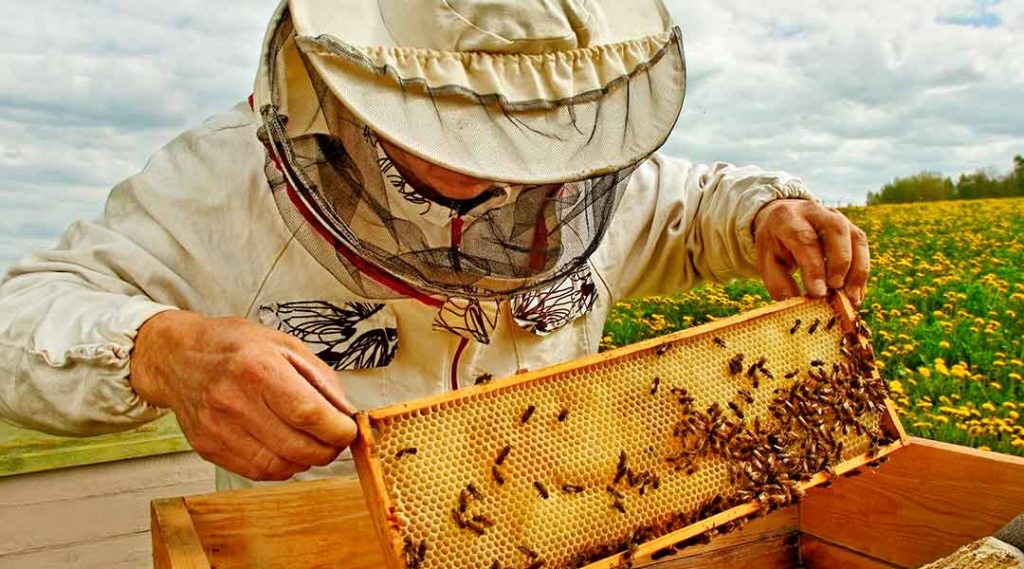
“How to collect honey from the hive …” from maeshoney.com
iHarvesting honey involves several steps to ensure you get the best quality product. Here’s how to do it:
Prepare Your Equipment: Gather your protective gear, smoker, bee brush, and honey extraction equipment.
Remove the Frames: Carefully remove the frames filled with capped honey from the hive.
Brush Off Bees: Use a bee brush to gently remove any bees from the frames.Extract the Honey: Use a honey extractor to remove the honey from the frames.
Filter and Bottle: Filter the honey to remove any debris and bottle it for storage.
Proper Honey Storage Tips
Storing honey correctly ensures it remains fresh and retains its quality. Here are some tips for proper honey storage:
Use Airtight Containers: Store honey in airtight glass or food-grade plastic containers to prevent moisture absorption.
Keep in a Cool, Dark Place: Store honey in a cool, dark place away from direct sunlight to prevent crystallization and degradation.
Avoid Refrigeration: Refrigerating honey can cause it to crystallize faster. Room temperature storage is ideal.
Seasonal Beekeeping Tasks
Beekeeping tasks vary with the seasons. Understanding what to do during each season helps ensure the health and productivity of your hive throughout the year.
Spring Management
Spring is a critical time for beekeeping as the colony starts to build up after winter. Here are some tasks to focus on, including maximizing honey production in your hives.
Inspect the Hive: Check for signs of disease, pests, and the presence of the queen.
Feed the Bees: Provide supplemental feeding if natural food sources are still scarce.
Expand the Hive: Add frames or supers to give the bees more space as the colony grows.
Summer Hive Care
During the summer, the hive is at its peak activity. Here’s how to manage your hive during this busy season:
For detailed guidance on setting up your hive, check out this Langstroth hive setup guide.
Monitor Food Stores: Ensure the bees have enough food, especially during droughts or nectar dearths.
Check for Swarming: Inspect the hive regularly for signs of swarming and take preventive measures if needed.
Maintain Ventilation: Ensure proper ventilation to prevent overheating and moisture buildup.
Fall and Winter Preparations
Preparing your hive for fall and winter is crucial for the survival of your bees. Here are some steps to take:
Harvest Honey: Harvest honey in late summer to early fall, leaving enough for the bees to survive the winter.
Reduce the Hive Entrance: Reduce the entrance to prevent cold drafts and keep pests out.
Insulate the Hive: Add insulation or a winter cover to protect the hive from extreme cold.
Feed the Bees: Provide supplemental feeding if the bees don’t have enough stored honey.
Legal and Environmental Considerations
Before starting your beekeeping journey, it’s essential to understand the legal and environmental considerations involved. This ensures you comply with local regulations and practice ethical beekeeping.
Understanding and following these guidelines will help you become a responsible and successful beekeeper.
Ethical Beekeeping Practices
Ethical beekeeping is about ensuring the welfare of your bees while also being mindful of the environment and community. Practicing ethical beekeeping not only benefits the bees but also promotes sustainability and harmony with nature.
Here are some key ethical beekeeping practices:
Avoid Chemical Treatments: Use natural methods for pest and disease control whenever possible. Chemicals can harm the bees and contaminate honey.
Respect Natural Behaviors: Allow bees to swarm and reproduce naturally. This helps maintain genetic diversity and colony health.
Provide Adequate Forage: Ensure your bees have access to a variety of flowers and plants for nectar and pollen. Plant bee-friendly gardens and avoid using pesticides.
Minimize Hive Disturbance: Limit hive inspections to essential checks to reduce stress on the bees.
Support Local Beekeeping: Buy bees and supplies from local, sustainable sources to support the community and reduce environmental impact.
“Ethical beekeeping is about creating a balance between harvesting honey and ensuring the health and well-being of the bee colony.”
Conclusion
Beekeeping is a rewarding and fulfilling hobby that offers numerous benefits, from producing your own honey to supporting local ecosystems. Italian honeybees, with their gentle nature and high productivity, are an excellent choice for beginners.
Final Preparations Before Starting
Gather all necessary equipment and ensure it’s of good quality.
Set up your apiary in a safe, sunny location with access to water.
Acquire your Italian honeybees from a reputable source.
Familiarize yourself with basic beekeeping techniques and practices.
Stay informed about local regulations and ethical beekeeping practices.
With the right preparation and knowledge, you’ll be well on your way to becoming a successful beekeeper. For those in urban areas, consider these urban beekeeping tips to maximize your setup.
Encouragement for New Beekeepers
Starting a new hobby can be daunting, but remember that every beekeeper was once a beginner. Don’t be afraid to ask for help and seek advice from experienced beekeepers. Joining a local beekeeping association can provide valuable support and resources.
Most importantly, enjoy the process. Beekeeping is a journey of continuous learning and discovery. Each hive inspection, each new season, brings new insights and experiences. Your dedication and care will be rewarded with the sweet taste of your own honey and the satisfaction of knowing you’re contributing to the health of the environment.
“Beekeeping is not just about keeping bees; it’s about becoming a steward of nature and working in harmony with these incredible creatures.”
Frequently Asked Questions (FAQ)
What makes Italian honeybees suitable for beginners?How often should I inspect my hive?
What is the best time of year to start a new hive?
How do I prevent my bee colony from swarming?
What makes Italian honeybees suitable for beginners?
Italian honeybees are known for their gentle temperament, which makes them less likely to sting compared to other bee species. They are also highly productive and excellent foragers, which means they can produce a significant amount of honey. Additionally, Italian honeybees are relatively resistant to diseases and pests, making hive management easier for beginners.
How often should I inspect my hive?
During the active season, it’s recommended to inspect your hive every 7-10 days. Regular inspections help you monitor the health and productivity of your bees, check for signs of disease or pests, and ensure the queen is laying eggs. However, be mindful not to disturb the hive too frequently, as this can stress the bees.
What is the best time of year to start a new hive?
The best time to start a new hive is in the spring. This gives the bees ample time to build up their colony and gather enough food stores before the winter. Starting in the spring also aligns with the natural lifecycle of bees, as this is when they are most active and the queen begins laying eggs in earnest.
How do I prevent my bee colony from swarming?
Swarming is a natural behavior where a portion of the colony leaves with the old queen to form a new hive. To prevent swarming, ensure your bees have enough space by adding additional frames or supers as needed. Regularly inspect for swarm cells, which are larger queen cells, and remove them if found. Providing proper ventilation and managing the hive’s environment can also reduce the likelihood of swarming.
Italian honeybees are known for their gentle nature and productivity, making them an excellent choice for beginner beekeepers. These bees are less likely to swarm and are highly efficient in honey production. To get started with Italian honeybees, it’s important to understand the basics of hive setup, maintenance, and seasonal care. One of the key factors in successful beekeeping is choosing the right type of hive. For beginners, the Langstroth hive is often recommended due to its ease of use and manageability. You can find a comprehensive Langstroth hive setup guide to help you get started on the right foot.



Leave a Reply