Key Takeaways
Winterizing Langstroth hives involves proper insulation, ventilation, and monitoring food stores.
Insulating hive bodies helps maintain a stable temperature for the bees.
Adequate ventilation prevents moisture buildup and allows CO2 to escape.
Regularly check and supplement food stores to ensure bees have enough resources.
Timely preparation before winter sets in is crucial for hive survival.
Best Strategies for Winterizing Langstroth Hives & Effective Tips

“Complete Langstroth Hive Red Cedar” from www.beckysbeesonlineshop.co.uk
Why Winterizing Your Hives is Crucial
Winterizing your Langstroth hives is essential to ensure the survival of your bee colonies during the cold months. Bees cluster together to maintain warmth, but they need a well-prepared environment to thrive. Without proper winterization, colonies can succumb to cold, moisture, or starvation.
Most importantly, winterizing helps protect your investment in beekeeping. A well-prepared hive can emerge strong in the spring, ready to pollinate and produce honey.
Preparation Before Winter Hits
Before the first frost, there are several steps you should take to prepare your hives. These preparations will create a safe environment for your bees to endure the winter.
Inspect the health of your colonies.
Ensure the hive is free of pests and diseases.
Consolidate the brood into fewer boxes to reduce the space bees need to heat.
Remove any excess honey supers.
Check for adequate food stores, typically 60-80 pounds of honey.
Besides that, connecting with local beekeepers can provide insights specific to your region’s climate and practices. For beginners, here’s a helpful Langstroth hive setup guide to get you started.
Common Winterization Techniques
Insulating Hive Bodies
Insulating your hives is crucial to maintaining a stable temperature inside the hive. Bees generate heat by clustering together, but they need help to keep that heat from escaping.
One effective method is to wrap the hive with insulation materials like foam boards or specialized hive wraps. Ensure the insulation covers all sides of the hive but leaves the entrance open for ventilation.
“You can also wrap the hive with extra insulation. The outside of the hive should be well sealed and waterproof.” – Frederick Dunn
Providing Adequate Ventilation
While insulation is vital, so is ventilation. Bees generate moisture as they cluster, and without proper ventilation, this moisture can condense and cause problems. For more information on hive management, check out this Langstroth hive setup guide.
Install a top vent or use a moisture board to allow excess moisture to escape. An entrance reducer can also help by minimizing drafts while still allowing airflow.
Regularly check the entrance for blockages, especially if snow accumulates around the hive.
Monitoring Food Stores
Bees need enough food to last through the winter. Typically, they require around 60-80 pounds of honey. Monitor food stores by checking the hive’s weight or peeking through a clear inner cover if your setup allows.
Install a sugar feeder at the top of the hive as an emergency food source.
Consider supplementing with fondant or pollen patties if stores are low.
Check the cluster’s position to gauge food consumption.
Therefore, ensuring your bees have enough food is critical for their survival through the cold months.
Effective Winterizing Strategies for Langstroth Hives
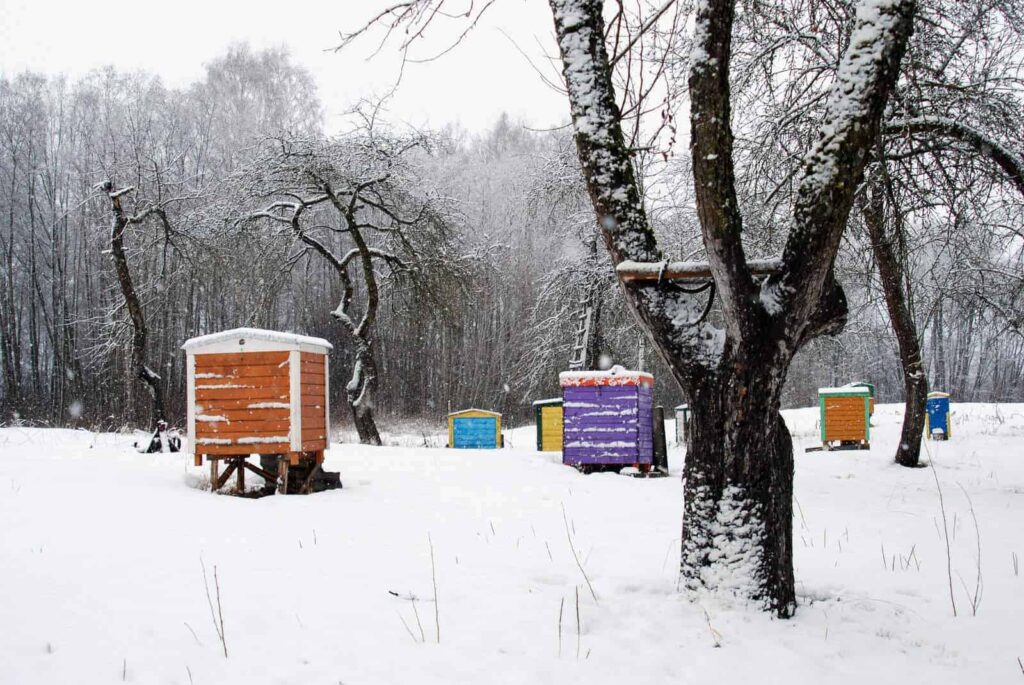
“Bee Hive Insulation for the Winter …” from www.perfectbee.com
Implementing effective winterizing strategies can make all the difference in the survival and health of your bee colonies. Here are some proven techniques to ensure your hives are well-prepared for the winter months.
Double Wrapping with Insulation
Double wrapping your hives with insulation materials can significantly improve their ability to retain heat. Use foam boards or commercial hive wraps to cover the hive bodies. Ensure the insulation is snug but not overly tight, as this could restrict airflow.
It’s crucial to leave the entrance open to allow bees to come and go on warmer days and to enable proper ventilation. Additionally, consider adding an insulating layer on top of the inner cover to keep the hive’s heat from escaping through the roof.
“The outside of the hive should be well sealed and waterproof. You may want to strap your hives down in case of high winds.” – Frederick Dunn
Using Entrance Reducers
Entrance reducers are small pieces of wood or metal that limit the size of the hive entrance. They help to minimize drafts and keep intruders like mice out of the hive during the winter.
Install the entrance reducer before the cold weather sets in. This will make it easier for the bees to defend their hive and maintain the internal temperature. Ensure the reducer is properly fitted and check it regularly for blockages.
Wrapping Hives with Tar Paper
Wrapping hives with tar paper is an old but effective method to protect them from the elements. Tar paper adds an extra layer of insulation and helps to absorb heat from the sun, which can warm the hive on sunny winter days.
To wrap your hive, cut the tar paper to fit around the hive bodies and secure it with staples or tape. Make sure to leave the entrance open and provide ventilation at the top of the hive to prevent moisture buildup. For more insights on bee housing, check out this article on best wooden bee houses.
Tips for Maintaining Langstroth Hives in Winter
Once your hives are winterized, ongoing maintenance is essential to ensure they remain in good condition throughout the season. Here are some tips to help you manage your hives during the winter months.
Regularly check for moisture buildup inside the hive.
Monitor food stores and supplement with fondant or pollen patties if necessary.
Replace any old or damaged equipment to prevent heat loss.
Supplementing with Fondant or Pollen Patties
Supplementing your bees’ food stores with fondant or pollen patties can provide them with the extra nutrition they need to survive the winter. Place the fondant or patties directly on top of the frames, close to the cluster.
This supplemental feeding should be done before the bees exhaust their honey stores. Regularly monitor the hive’s weight and the position of the cluster to gauge food consumption and replenish supplies as needed.
Regularly checking for moisture buildup inside the hive is critical. Condensation can drip onto the cluster, chilling the bees and increasing the risk of disease.
To prevent moisture buildup, ensure your hive has adequate ventilation. Install a moisture board or an upper entrance to allow excess moisture to escape. Check the hive periodically for signs of condensation and take action if necessary.
Supplementing with Fondant or Pollen Patties
Supplementing your bees’ food stores with fondant or pollen patties can provide them with the extra nutrition they need to survive the winter. Place the fondant or patties directly on top of the frames, close to the cluster.
This supplemental feeding should be done before the bees exhaust their honey stores. Regularly monitor the hive’s weight and the position of the cluster to gauge food consumption and replenish supplies as needed.
Replacing Old or Damaged Equipment
Before winter sets in, inspect your hives for any old or damaged equipment. Cracked or warped hive bodies, broken frames, or leaky covers can compromise the hive’s insulation and ventilation, making it harder for the bees to maintain a stable temperature.
Replace any damaged parts to ensure the hive is well-sealed and capable of withstanding harsh winter conditions. This proactive step can prevent issues that could jeopardize the colony’s survival during the cold months.
Final Considerations for Winterizing Langstroth Hives
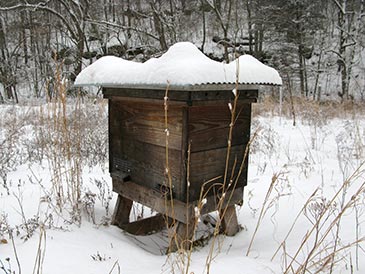
“Wintering Bee Colonies | Free Guide” from horizontalhive.com
Proper winterization is not just about preparing your hives before the cold hits; it also involves ongoing management and post-winter care. Here are some final considerations to keep in mind. For more tips on beekeeping, you can check out this guide on maximizing honey production.
Timing Your Winter Preparations
Timing is crucial when it comes to winterizing your hives. Start your preparations in the fall, before the first frost. This gives your bees time to adjust to the changes and ensures they are well-prepared for the cold months ahead.
Monitor weather forecasts and local beekeeping advice to determine the best time to begin your winterization process. The earlier you start, the better prepared your hives will be.
Post-Winter Hive Management
As winter comes to an end, it’s essential to transition your hives back to their regular management routine. Check for any signs of damage or disease that may have occurred during the winter.
Inspect the hive for moisture damage or mold.
Check the food stores and replenish if necessary.
Remove any insulation or winter-specific equipment.
Gradually increase ventilation as temperatures rise.
Spring is a critical time for hive management, as the bees will begin foraging and building up their colony again. Ensure they have a strong start by addressing any issues promptly.
Frequently Asked Questions (FAQ)
How Much Insulation Does a Hive Need?
The amount of insulation a hive needs can vary depending on your local climate. In colder regions, thicker insulation may be necessary to keep the hive warm. Generally, using foam boards or commercial hive wraps that are at least 1-2 inches thick can provide adequate insulation.
Ensure the insulation covers all sides of the hive and leaves the entrance open for ventilation. The goal is to maintain a stable temperature inside the hive without restricting airflow. For more detailed guidance, check out this Langstroth hive setup guide.
Can I Open My Hive During Winter?
It’s generally not advisable to open your hive during winter, as this can disrupt the cluster and expose the bees to cold temperatures. However, there are exceptions if you need to perform essential maintenance or check food stores.
If you must open the hive, do so on a mild day when temperatures are above freezing. Work quickly and minimize the time the hive is open to prevent heat loss. Always prioritize the bees’ well-being and only open the hive if absolutely necessary.




Leave a Reply