
Key Takeaways
Full-body bee suits offer maximum protection against stings and are ideal for beginners.
Ventilated bee suits provide better airflow, reducing the risk of overheating during hot weather.
Choosing between full-body and ventilated suits depends on your beekeeping environment and personal comfort.
High-quality bee suits can last for several years with proper care and maintenance.
Consider the weight, material, and cost when selecting the best bee suit for your needs.
Understanding the Best Bee Suit Options
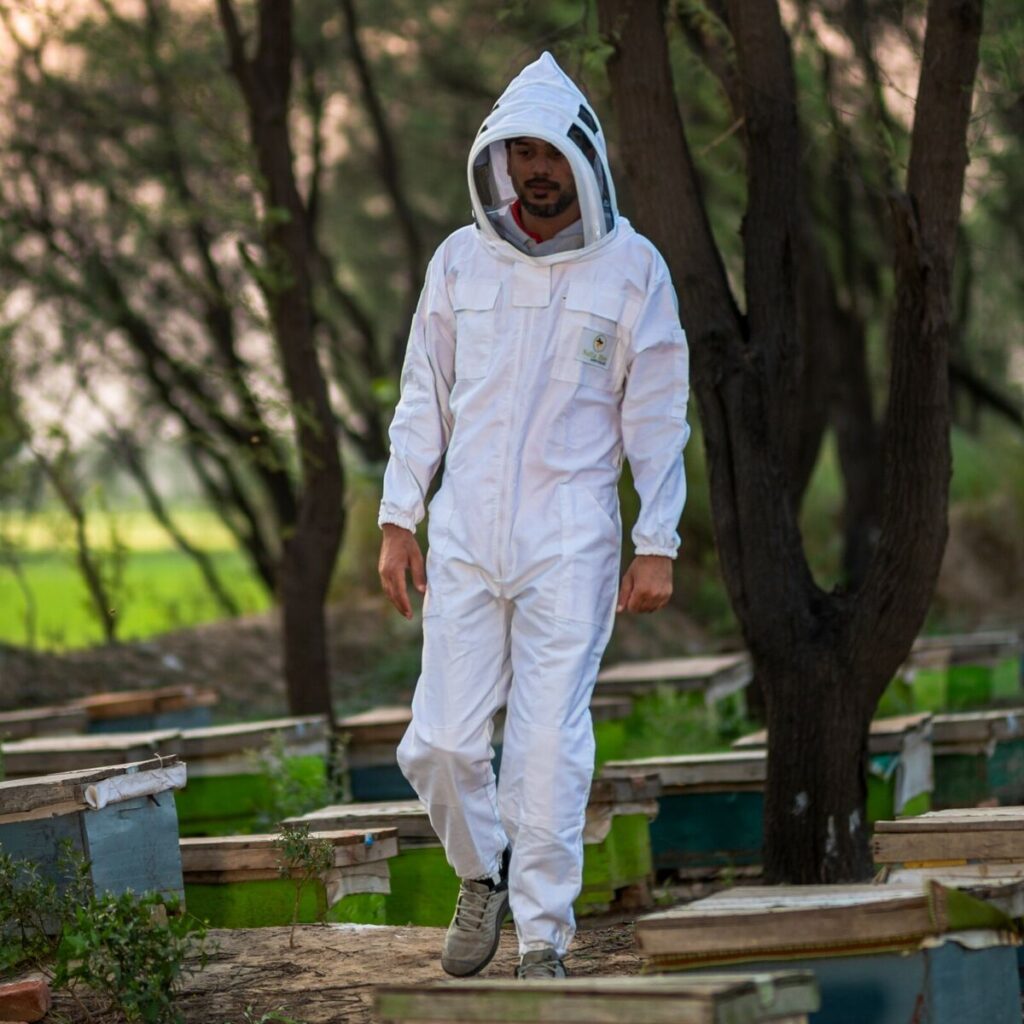
“Beekeeper Suit Professional Beekeeping …” from www.ebay.com
Beekeeping is a rewarding hobby, but it requires the right gear to ensure your safety and comfort. One of the most crucial pieces of equipment is the bee suit. In this guide, I’ll walk you through the different types of bee suits available, focusing on full-body and ventilated options.
The Importance of Protective Bee Suits
Bee suits serve two primary purposes: protecting you from bee stings and keeping your clothing clean. Whether you’re a novice or an experienced beekeeper, wearing a bee suit can make your experience more enjoyable and safe.
Most importantly, a good bee suit provides peace of mind. Knowing you’re well-protected allows you to focus on your bees without the constant worry of getting stung.
Benefits of Full-Body Bee Suits
Full-body bee suits are designed to offer comprehensive protection. They cover your entire body, including your head, torso, arms, and legs. Let’s delve into the specific benefits of these suits.
Comprehensive Protection from Stings
Full-body suits are made from thick, durable materials that prevent bee stings from penetrating. This is especially important for beginners who may not yet be comfortable working around bees.
“Full-body bee suits protect against bee stings because the material is too thick for the stinger to penetrate. While no suit or jacket will completely prevent stings, the thicker woven material provides adequate protection for day-to-day beekeeping tasks.”
By covering your entire body, these suits minimize the risk of getting stung, even if bees become agitated.
Durability and Longevity
Full-body bee suits are built to last. They are constructed from high-quality materials that can withstand the wear and tear of regular use. With proper care, a good bee suit can serve you for several years.
Investing in a durable suit means you’ll spend less money on replacements and more time enjoying your beekeeping activities.
Coverage Flexibility
Full-body suits offer flexibility in terms of coverage. Many suits come with detachable veils and hoods, allowing you to customize your level of protection based on the situation. For more details on choosing the right suit, check out this guide on bee suits.
Detachable veils make it easier to clean and maintain the suit.
Some suits feature multiple zippers and flaps for added security.
Adjustable cuffs and waistbands help ensure a snug fit.
Benefits of Ventilated Bee Suits
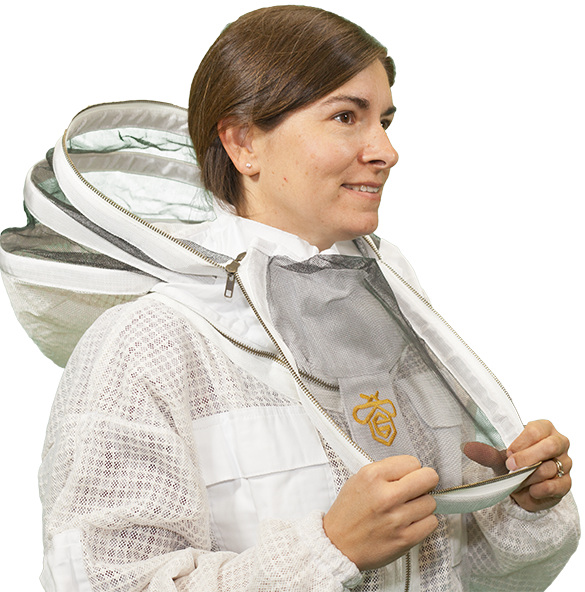
“Vented Beekeeping Jacket W/Easy Access …” from guardianbeeapparel.com
Ventilated bee suits are designed with breathability in mind. They feature mesh panels or layers that allow air to circulate, keeping you cool while you work. Here are the key benefits of ventilated suits. For more tips on maintaining your bee suit, you can check out our guide on cleaning and maintaining bee houses.
Enhanced Airflow and Breathability
Ventilated bee suits typically have multiple layers of mesh fabric. This design allows air to flow freely, reducing the buildup of heat and moisture inside the suit. As a result, you stay cooler and more comfortable, even during long beekeeping sessions.
Besides that, the breathability of these suits helps prevent the discomfort associated with sweating. You’ll appreciate this feature during the hot summer months when temperatures can soar.
Protection without Overheating
One of the main concerns with traditional bee suits is overheating. Ventilated suits address this issue by providing adequate protection while allowing your body to breathe. This balance is crucial for maintaining focus and efficiency during hive inspections.
“Even in ventilated suits, I am often drenched in sweat on a warm day. I love that during a heat wave, I can wear only a sports bra and yoga shorts under my Ultra Breeze bee suit without fear of stings!”
Ventilated suits ensure you remain protected from stings without compromising on comfort. This makes them an excellent choice for beekeepers who work in hot or humid climates.
Comparing Full-Body vs Ventilated Bee Suits
Now that we’ve explored the benefits of both full-body and ventilated bee suits, let’s compare them in various aspects. This comparison will help you make an informed decision based on your specific needs and preferences.
Material and Fabric Comparison
Full-body bee suits are usually made from thick cotton or polyester blends. These materials provide excellent protection against stings but can be heavy and less breathable.
On the other hand, ventilated bee suits use a combination of mesh and lightweight fabrics. The mesh layers create a barrier that bees cannot penetrate, while the lightweight materials enhance breathability.
|
Feature |
Full-Body Suit |
Ventilated Suit |
|---|---|---|
|
Material |
Thick cotton or polyester |
Mesh and lightweight fabrics |
|
Breathability |
Low |
High |
|
Protection |
High |
High |
|
Weight |
Heavy |
Light |
Suit Weight and Mobility
The weight of your bee suit can significantly impact your mobility and comfort. Full-body suits tend to be heavier due to their thick materials. This added weight can make it more challenging to move freely, especially during extended periods of use. For more information on creating a safe environment for bees, check out our best bamboo bee house guide.
In contrast, ventilated suits are lighter, allowing for greater ease of movement. This can be particularly beneficial when performing tasks that require agility and precision, such as handling delicate hive components. For more information on different types of bee suits, check out this guide on bee suits.
Temperature and Climate Considerations
Your local climate plays a crucial role in determining the best bee suit for you. If you live in an area with hot summers, a ventilated suit will help you stay cool and comfortable. The enhanced airflow prevents overheating, making it easier to work for longer periods.
However, if you live in a cooler climate, a full-body suit might be more suitable. The thicker materials provide added warmth, which can be beneficial during early spring or late fall when temperatures are lower. For more information on beekeeping in different climates, check out our urban beekeeping tips.
Cost Differences
Cost is another factor to consider when choosing a bee suit. Full-body suits are generally more affordable, with prices ranging from $50 to $150. These suits offer excellent protection at a lower cost, making them a popular choice for beginners.
Ventilated suits, on the other hand, tend to be more expensive, ranging from $100 to $250. The higher cost is due to the advanced materials and design features that enhance breathability and comfort. While the initial investment is higher, many beekeepers find the added comfort worth the extra expense.
Choosing the Right Bee Suit for Your Needs
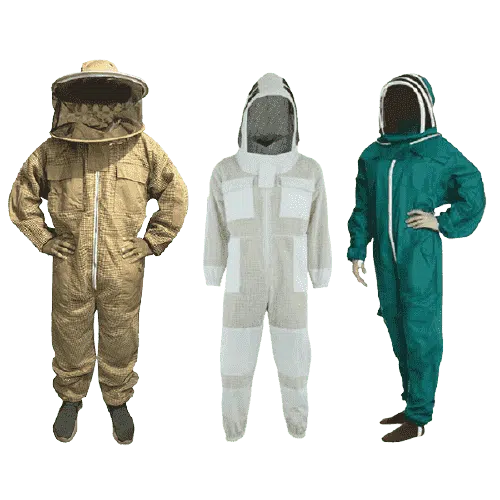
“Beekeeper suit | Bee suit for Mens …” from www.beekeeper-suit.com
When selecting the best bee suit for your needs, consider various factors, including your beekeeping environment, personal preferences, and budget. Here are some tips to help you make an informed decision.
Assessing Your Beekeeping Environment
Start by evaluating your local climate and typical weather conditions. If you experience hot summers, a ventilated suit will help keep you cool. Conversely, if you have mild or cool weather, a full-body suit may provide the warmth and protection you need. For more insights, check out our best wooden bee houses guide.
Consider the type of beekeeping tasks you’ll be performing. If you plan to spend extended periods working with your bees, a ventilated suit can enhance your comfort and reduce fatigue. For those interested in urban beekeeping, here are some useful tips to make the most of smaller spaces.
Personal Preferences and Comfort
When choosing a bee suit, personal comfort is paramount. The right suit should fit well and allow you to move freely without feeling restricted. Ventilated suits often provide greater comfort due to their lightweight and breathable materials. However, full-body suits offer a sense of security that many beekeepers appreciate.
Consider trying on different suits to see which one feels best. Pay attention to how the suit fits around your shoulders, waist, and legs. Look for adjustable features like elastic cuffs and waistbands that can help you achieve a snug fit.
Besides that, think about how long you’ll be wearing the suit. If you plan to spend hours working with your bees, a ventilated suit might be more comfortable. On the other hand, if you only need the suit for short inspections, a full-body suit could be sufficient.
Final Thoughts: Making an Informed Decision
Choosing the best bee suit involves weighing the pros and cons of full-body and ventilated options. Both types offer unique benefits, and the right choice depends on your specific needs and preferences. By considering factors like protection, comfort, durability, and cost, you can make an informed decision that enhances your beekeeping experience.
Key Factors to Consider
When selecting a bee suit, keep these key factors in mind: type of bee suit, material, and fit.
Protection: Ensure the suit provides adequate coverage to protect against stings.
Comfort: Look for suits made from breathable materials that allow for good airflow.
Durability: Choose a suit made from high-quality materials that can withstand regular use.
Fit: Make sure the suit fits well and allows for ease of movement.
Cost: Consider your budget and choose a suit that offers the best value for your money.
Balancing Protection and Comfort
Finding the right balance between protection and comfort is essential for a positive beekeeping experience. Full-body suits provide maximum protection but can be heavy and less breathable. Ventilated suits offer better airflow and comfort but may come at a higher cost. For more tips on beekeeping, check out our Langstroth hive setup guide.
Ultimately, the best bee suit is one that meets your specific needs and preferences. Take the time to evaluate your options and choose a suit that provides the right level of protection and comfort for your beekeeping activities. For more insights on beekeeping, check out our guide on maximizing honey production in top-bar hives.
Remember, the goal is to enjoy your time with your bees while staying safe and comfortable. With the right bee suit, you can focus on the rewarding aspects of beekeeping without worrying about stings or discomfort. For those interested in urban beekeeping, here are some urban beekeeping tips to get started.
Frequently Asked Questions (FAQ)
Here are some common questions beekeepers have about bee suits:
How do I properly clean and maintain my bee suit?
To clean your bee suit, follow these steps:
Remove any detachable veils or hoods and wash them separately.
Use a gentle detergent and wash the suit in cold water on a delicate cycle.
Hang the suit to air dry, avoiding direct sunlight to prevent fading.
Inspect the suit regularly for any signs of wear and tear, and repair any damage promptly.
Proper maintenance will extend the life of your bee suit and ensure it continues to provide effective protection. For more tips, check out our guide on maintaining bee equipment.
Can ventilated bee suits be worn in very humid climates?
Yes, ventilated bee suits are ideal for humid climates. The mesh panels allow air to circulate, reducing the buildup of heat and moisture inside the suit. This helps keep you cool and comfortable, even in high humidity.
Choose a suit with multiple layers of mesh for maximum breathability.
Wear lightweight clothing underneath to enhance comfort.
Stay hydrated and take breaks as needed to avoid overheating.
How long do full-body suits typically last?
The lifespan of a full-body bee suit depends on the quality of the materials and how well it is maintained. High-quality suits can last several years with proper care. Regularly inspect your suit for signs of wear and tear, and follow the manufacturer’s care instructions to ensure it remains in good condition.
By investing in a durable suit and maintaining it properly, you can enjoy many years of safe and comfortable beekeeping.
In conclusion, choosing the best bee suit requires careful consideration of your needs and preferences. Whether you opt for a full-body suit or a ventilated one, the right choice will enhance your beekeeping experience and keep you protected. For additional tips, check out our urban beekeeping tips. Happy beekeeping!
When choosing the best bee suit, it’s important to consider both full-body and ventilated options. Full-body suits offer maximum protection, covering you from head to toe, while ventilated suits provide better airflow, keeping you cool during hot weather. Additionally, understanding how to utilize a nucleus colony can be beneficial for urban beekeepers who need to manage their space efficiently.




Leave a Reply