Key Takeaways
- Pollen patties provide essential protein for developing bee larvae and enhance overall hive health.
- Feeding pollen patties year-round can prevent bee starvation during times of natural pollen scarcity.
- Homemade pollen patties are cost-effective and customizable to suit specific hive needs.
- It’s crucial to monitor bee consumption and adjust feeding based on seasonal changes and hive activity.
- A balanced bee diet includes pollen patties, natural pollen, and other nutritional sources to ensure robust bee colonies.
Pollen Patty Importance for Bee Health

“Pollen Patties for your Honey Bees …” from buzzbee.com.au
When it comes to beekeeping, ensuring that your bees have a balanced diet is crucial for their health and productivity. Pollen patties play a vital role in providing the necessary nutrients, particularly proteins, which are essential for the development of young bees. Without adequate protein, bee larvae may not develop properly, leading to weaker hives.
Nutritional Benefits of Pollen Patties
Pollen patties are rich in proteins, fats, vitamins, and minerals. These nutrients are essential for the growth and development of bee larvae. Protein is particularly important because it helps build muscle and other tissues in young bees. Additionally, vitamins and minerals support various physiological functions, ensuring that the bees remain healthy and active.
“Pollen is not just food; it’s a powerhouse of nutrients that fuels the entire hive.”
Feeding your bees pollen patties can also boost their immune system, making them more resilient to diseases and pests. This is especially important in environments where natural pollen sources may be limited or inconsistent.
Why Bees Need Pollen Patties Year-Round
While bees naturally gather pollen from flowers, there are times when natural sources are insufficient. During winter or periods of drought, for instance, bees may struggle to find enough pollen. This is where pollen patties come in handy. By providing a consistent source of nutrition, you can help maintain your bees’ health even when nature doesn’t cooperate.
Most importantly, offering pollen patties year-round ensures that your hive remains strong and productive. A steady supply of nutrients supports continuous brood rearing, which is essential for replacing older bees and maintaining hive strength.
Creating Homemade Pollen Patties
Making your own pollen patties can be a rewarding and cost-effective way to ensure your bees receive the nutrition they need. Homemade patties allow you to tailor the ingredients to suit the specific needs of your hive, and they can be made with readily available materials.
“By crafting your own pollen patties, you gain control over the nutritional content and can adapt to your bees’ unique requirements.”
To start, you’ll need a few basic ingredients. These typically include a protein source, such as soy flour or brewer’s yeast, sugar or honey for energy, and a binding agent like vegetable oil or water. You can also add vitamin supplements or essential oils to enhance the nutritional profile. For more information on efficient beekeeping tools, check out this resource.
Essential Ingredients List
Here’s a simple list of ingredients you’ll need to make basic pollen patties:
- 1 part soy flour or brewer’s yeast
- 1 part sugar or honey
- 1-2 tablespoons of vegetable oil or water (as needed for consistency)
- Optional: vitamin supplements or essential oils
These ingredients provide a balanced mix of proteins, carbohydrates, and fats, ensuring that your bees have access to all the nutrients they need.
Timing and Methods for Feeding Bees
Timing is everything when it comes to feeding bees. While pollen patties are beneficial year-round, understanding the specific needs of your hive during different seasons can maximize their effectiveness. Proper timing ensures that your bees have the right nutrients when they need them the most.
The Best Seasons to Feed Pollen Patties
Spring and late winter are the prime times to introduce pollen patties to your hive. During these periods, bees are building up their populations and preparing for the active months ahead. Providing pollen patties during this time helps ensure that they have the protein necessary to rear brood and strengthen the colony.
Besides that, fall is another crucial time to feed pollen patties. As bees prepare for winter, they need to build up their body fat reserves. Pollen patties provide the essential nutrients to help them do just that, ensuring they survive the colder months. For more information on maintaining healthy beehives, explore these propolis management techniques.
Seasonal Adjustments for Bee Feeding
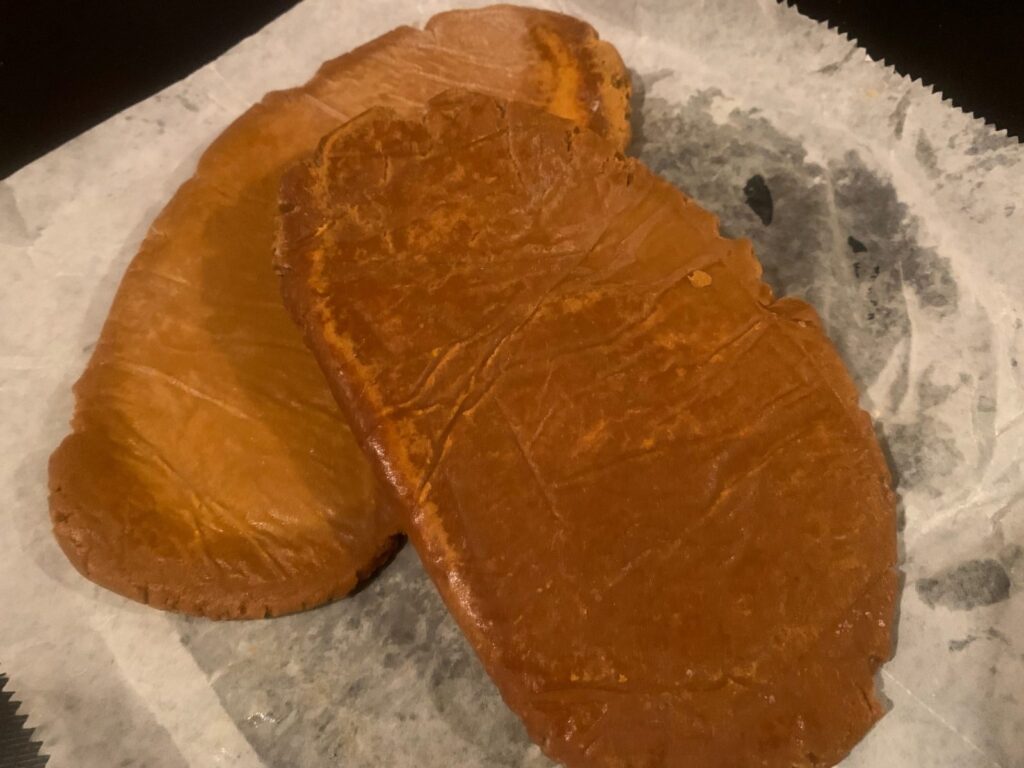
“How to Make Pollen Patties – Backyard …” from backyardbeekeeping.iamcountryside.com
Seasonal changes require adjustments in how you feed your bees. In spring, focus on providing enough pollen patties to support rapid brood development. This will help the colony grow quickly and be ready for the summer honey flow.
In contrast, during summer, you may find that natural pollen is abundant, and your bees might not need as many supplemental patties. However, keep an eye on the weather and local conditions. A dry spell or lack of flowering plants might mean you need to step in with extra feed.
As winter approaches, shift your focus to maintaining hive health. While bees consume less during the cold months, having a few pollen patties available can help sustain them during unexpected warm spells when they become active.
Monitoring Bee Consumption and Hive Health
Keeping a close watch on how your bees are consuming pollen patties is essential for maintaining hive health. Regularly check inside the hive to see if the patties are being eaten. If they’re not, it might indicate that the bees are getting enough natural pollen, or there could be an issue with the hive.
Moreover, observe the behavior of your bees. Healthy bees should be active and productive. A lack of activity or an increase in dead bees might suggest nutritional deficiencies or other health problems. In such cases, adjusting the type and amount of feed can make a significant difference.
Additional Tips for Enhancing Bee Nutrition
Feeding pollen patties is just one part of ensuring your bees’ health. Incorporating other nutritional strategies can further enhance their wellbeing and productivity. By diversifying their diet, you can help them thrive in various conditions. For more insights on maintaining healthy colonies, consider exploring Varroa mite treatments as part of your beekeeping practices.
Remember, a well-fed hive is a happy hive. By understanding the nutritional needs of your bees and providing them with the right supplements at the right time, you can ensure their health and productivity throughout the year.
Balancing Pollen Patties with Other Nutrition Sources
To create a balanced diet for your bees, consider combining pollen patties with other food sources. Sugar syrup, for instance, can provide energy during times when nectar is scarce. Additionally, some beekeepers use protein supplements or natural pollen to further diversify their bees’ diet.
It’s important to strike the right balance. Over-reliance on any one type of feed can lead to nutritional imbalances. Therefore, regularly assess your bees’ needs and adjust their diet accordingly. For more insights, explore these propolis management techniques to maintain healthy beehives.
Recognizing Signs of Nutritional Deficiency in Bees
Recognizing the signs of nutritional deficiency can help you address issues before they become serious. Look for symptoms such as sluggish behavior, poor brood production, or increased susceptibility to diseases. These can all indicate that your bees are not getting the nutrients they need. For more information on maintaining healthy beehives, explore propolis management techniques.
Addressing these deficiencies promptly by adjusting the hive’s diet can help restore your bees to full health. Regular monitoring and a proactive approach to feeding will ensure that your bees remain healthy and productive year-round.
Natural Alternatives and Supplements
In addition to pollen patties, there are several natural alternatives and supplements that can enhance bee nutrition. These include fresh pollen collected from flowers, which provides a varied and rich source of nutrients. If you have access to diverse flowering plants, encourage your bees to forage naturally.
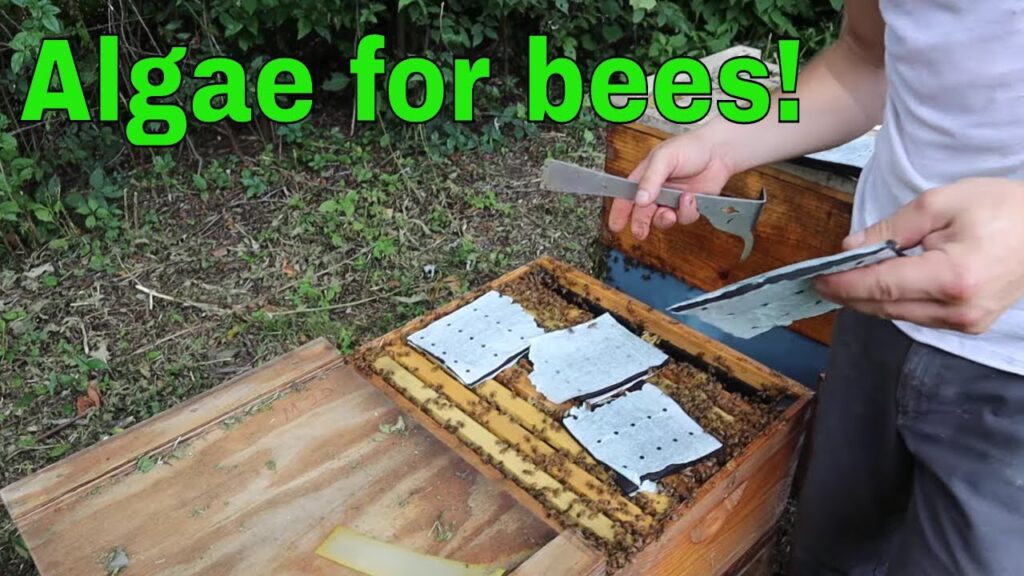
“🔵Algae pollen patty trial. (Healthy …” from www.youtube.com
Another option is to use natural supplements like spirulina or kelp, which are high in essential nutrients and can be added to homemade pollen patties. These supplements can boost the nutritional profile of the patties and provide additional health benefits to the bees.
Frequently Asked Questions
As you delve into the world of beekeeping and bee nutrition, you may have several questions about pollen patties and their use. Here are some common queries and their answers to help guide you.
How often should I feed bees pollen patties?
The frequency of feeding pollen patties depends on the season and the availability of natural pollen. In early spring and late winter, when natural pollen is scarce, you should provide pollen patties regularly. During the active summer months, reduce feeding if natural pollen sources are abundant. Monitor your hive and adjust feeding as needed to ensure your bees are receiving adequate nutrition.
Can pollen patties prevent hive diseases?
While pollen patties themselves do not prevent diseases, they can enhance the overall health and immunity of the hive, making bees more resilient to illnesses. By ensuring that bees receive a balanced diet, you help maintain their immune systems, which can reduce the risk of disease outbreaks. For more information on how to make these beneficial supplements, check out this guide on making pollen patties.
What are the risks of overfeeding pollen patties?
Overfeeding pollen patties can lead to an imbalance in the hive’s diet and cause the bees to become reliant on artificial sources of nutrition. It can also lead to excessive brood production, which may result in swarming if the hive becomes overcrowded. For more on maintaining a healthy hive, explore propolis management techniques. Always monitor your hive and adjust feeding according to the bees’ needs.
Do pollen patties attract pests or predators?
Pollen patties can attract pests such as ants, wax moths, and small hive beetles if not managed properly. To minimize the risk, place patties inside the hive, close to the bee cluster, and ensure the hive is well-sealed. Regular inspections can help you detect and address any pest issues early.
Is it better to buy or make pollen patties?
Both options have their benefits. Purchased pollen patties are convenient and often contain a balanced mix of nutrients. However, making your own allows for customization based on your hive’s specific needs and can be more cost-effective. If you choose to make your own, ensure you use high-quality ingredients to provide the best nutrition for your bees.
In conclusion, pollen patties are a valuable tool for maintaining bee health year-round. By understanding their importance, creating nutritious patties, and feeding them appropriately, you can ensure your hive remains strong and productive. Remember, a well-fed bee is a happy bee, and a happy bee makes for a successful beekeeper.

Leave a Reply