
Key Takeaways
- Propolis is essential for maintaining the structural integrity of beehives, protecting against decay and intruders.
- It supports bee health by boosting their immune systems and reducing energy spent on defense.
- Humans benefit from propolis through its use in natural remedies and products like ointments and cosmetics.
- Beekeepers can increase propolis production by using techniques like propolis traps and hive modifications.
- Understanding propolis management can lead to healthier, more productive beehives.
Propolis Importance and Benefits for Beehive Health
“Everything to know about propolis …” from propolia.com
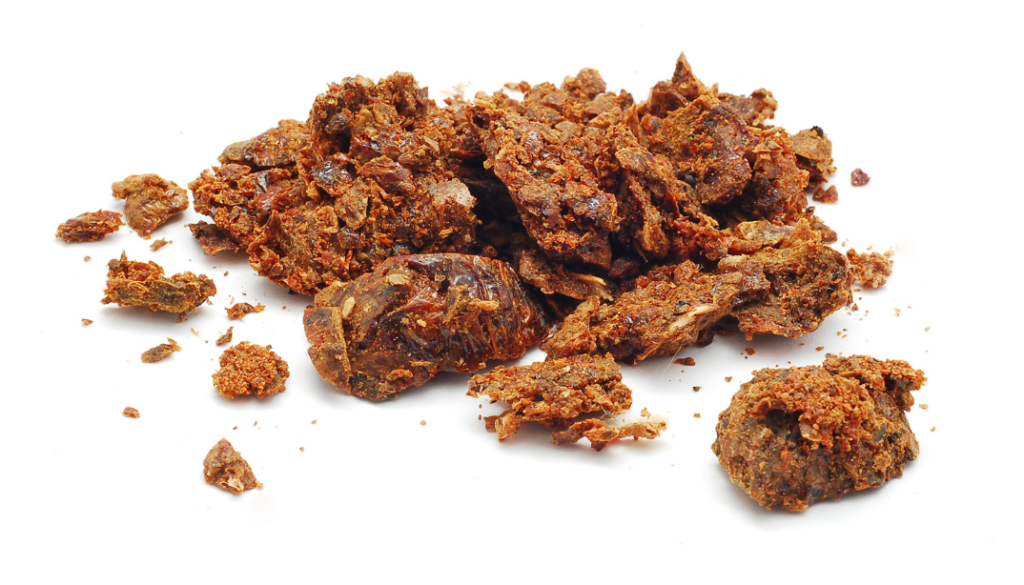
Propolis, often referred to as “bee glue,” is a critical component in the health and sustainability of beehives. This sticky, resinous substance is collected by bees from tree buds and other botanical sources. It plays a crucial role in maintaining the hive’s structure, acting as a sealant to close gaps and reinforce the hive against the elements.
Role of Propolis in Hive Structure
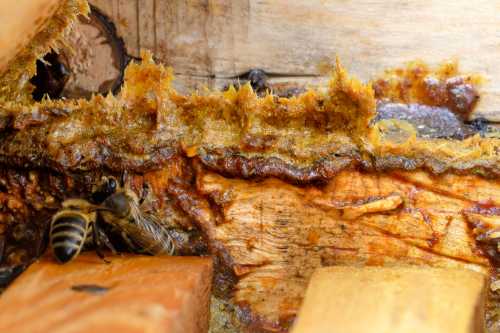
In the wild, bees use propolis to fortify their homes against potential threats. It acts like a natural barrier, protecting the hive from external invaders such as insects and bacteria. This sticky substance also helps in reducing vibrations within the hive, which can be crucial for maintaining a stable environment for the bees.
Besides structural support, propolis has antimicrobial properties that help in keeping the hive free from diseases. It coats the interior surfaces of the hive, creating a sanitized environment that minimizes the risk of infections spreading among the bee population.
Propolis Benefits to Bee Health
Propolis is not just a construction material; it’s a health booster for bees. By enhancing their immune systems, propolis reduces the need for bees to expend energy fighting off infections. This energy can then be redirected towards more productive activities, like foraging and honey production.
Research has shown that propolis in a hive can help bees fend off pests such as the Varroa destructor mite, a notorious threat to bee colonies worldwide. The presence of propolis in a hive has been associated with lower levels of these mites, contributing to the overall health and longevity of the bee colony.
Human Benefits Derived from Propolis
For centuries, humans have recognized the potential health benefits of propolis. It has been used in traditional medicine for its purported healing properties, including its ability to soothe sore throats and promote skin health. Today, propolis is found in a variety of products such as creams, ointments, and dietary supplements. For those interested in beekeeping, understanding the efficient beekeeping tools can further enhance the production of propolis.
Its antibacterial and anti-inflammatory properties make it a popular ingredient in natural health products. While scientific research continues to explore these benefits, many people incorporate propolis into their wellness routines as a natural remedy. For those interested in sustainable practices, exploring eco-friendly feed supplements for urban beekeeping can be a beneficial addition to their approach.
Understanding these benefits is crucial for beekeepers who aim to maintain healthy hives. By encouraging propolis production, they not only support their bees but also contribute to the availability of this valuable substance for human use. For those interested in starting their own beekeeping journey, it might be helpful to explore resources on how to buy bee colonies and navigate the beekeeping world.
Effective Propolis Management Techniques
To harness the full potential of propolis, beekeepers must employ effective management techniques. These methods not only increase propolis production but also ensure that hives remain healthy and productive.
Encouraging Propolis Production in Hives
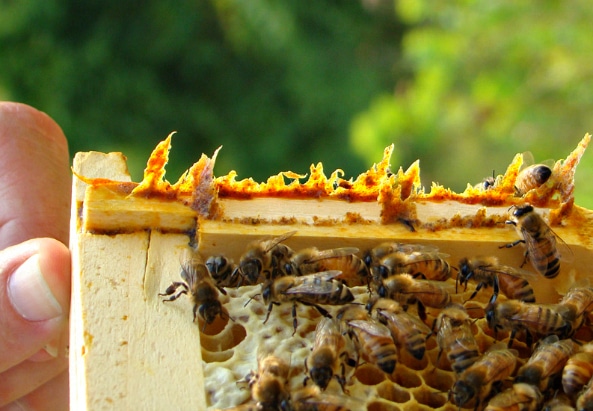
One of the simplest ways to encourage propolis production is by creating an environment that mimics natural conditions. In the wild, bees produce more propolis when they perceive their hive to be under threat or in need of repair. Beekeepers can simulate these conditions by slightly enlarging gaps within the hive, prompting bees to fill them with propolis.
Another technique involves using rough-surfaced materials within the hive. Bees are more likely to deposit propolis on uneven surfaces, as they instinctively work to smooth and seal them. This can be achieved by using hive materials that are textured or by intentionally creating grooves and ridges.
Structural Enhancements in Hives
Modifying the hive structure can also lead to increased propolis production. For example, using frames with extra space between them encourages bees to fill these gaps with propolis. Additionally, installing mesh or screens at strategic points can serve as propolis traps, collecting the substance without harming the bees or disrupting their activities.
These modifications not only increase the yield of propolis but also contribute to the overall health and stability of the hive. By integrating these techniques, beekeepers can support their bees in maintaining a robust and thriving colony.
Propolis Trap Installation
Installing propolis traps is an effective way to harvest this valuable substance without disturbing the bees. These traps are designed to mimic the gaps bees would naturally fill with propolis. By placing these traps in strategic locations within the hive, beekeepers can encourage bees to deposit propolis in easily accessible areas. Learn more about propolis in the hive and its benefits.
To install a propolis trap, first choose a frame or mesh with small openings. Place it in an area of the hive where bees are likely to work, such as the top or sides. As bees fill the gaps with propolis, the trap can be removed and the propolis harvested. It’s important to handle the traps gently to avoid damaging the hive or disturbing the bees.
Case Studies of Propolis Management Success
“The history of BEE propolis and why it …” from www.unbeelievablehealth.co.uk
Across the globe, beekeepers have implemented various propolis management techniques with remarkable success. These case studies highlight the benefits of strategic propolis management and offer insights into best practices for enhancing hive health.
- Case Study 1: Rural Beekeeping in Brazil – In Brazil, a group of rural beekeepers adopted propolis traps and noticed a significant increase in propolis yield. This additional propolis was not only used for hive health but also sold as a supplementary income source.
- Case Study 2: Urban Beekeeping in London – Urban beekeepers in London have successfully used rough-surfaced materials to encourage propolis production. These beekeepers reported healthier hives with fewer incidences of disease.
These examples demonstrate that with the right techniques, beekeepers can effectively manage propolis production, leading to healthier hives and increased economic benefits.
Increased Propolis Yields in Specific Regions
Different regions have unique environmental factors that can influence propolis production. In areas with a high diversity of resin-producing plants, such as tropical regions, bees have access to a rich variety of materials for making propolis. This diversity can lead to higher yields and more potent propolis with varied properties.
For instance, in Southeast Asia, beekeepers have reported higher propolis production due to the abundance of resin-rich flora. By understanding the local ecosystem and its influence on propolis production, beekeepers can tailor their management strategies to maximize yields.
Comparative Health of High-Propolis Hives
Research has shown that hives with high levels of propolis tend to be healthier and more resilient. These hives often exhibit lower levels of disease and pest infestations. The antimicrobial properties of propolis create a protective barrier, reducing the spread of pathogens within the hive.
In a study comparing high-propolis hives to those with lower propolis levels, the high-propolis hives showed a marked decrease in the presence of harmful mites and bacteria. This highlights the importance of propolis not only as a structural component but also as a critical factor in maintaining overall hive health.
Challenges and Considerations in Propolis Management
While propolis is beneficial, managing its production and collection can present challenges. Beekeepers must balance the need for propolis with other hive activities, such as honey production and bee population management.
Potential Drawbacks of Propolis Accumulation
Excessive propolis accumulation can sometimes hinder hive operations. For example, too much propolis can make it difficult to remove frames or inspect the hive, as the sticky substance can glue components together. Beekeepers need to find a balance that allows for easy hive management while still encouraging adequate propolis production.
Additionally, some bees may prioritize propolis production over other activities, potentially affecting honey yields. Beekeepers should monitor their hives to ensure that propolis production does not interfere with the overall productivity of the colony.
Seasonal Considerations for Propolis Collection
Propolis production can vary significantly with the seasons. Bees tend to produce more propolis in the spring and fall when they are preparing their hives for changing weather conditions. During these times, beekeepers can expect higher yields and should plan their propolis collection accordingly.
Understanding the seasonal patterns of propolis production can help beekeepers optimize their management strategies. By aligning collection efforts with peak production periods, they can maximize yields while minimizing disruption to the hive.
Conclusion: Ensuring Hive Health with Propolis
“What Is Bee Propolis, How Do Bees Make …” from www.buzzaboutbees.net
In conclusion, propolis is a vital component in the maintenance and health of beehives. Its roles extend from structural integrity and protection against pathogens to boosting bee immunity and even offering benefits to humans. By understanding and implementing effective propolis management techniques, beekeepers can significantly enhance the health and productivity of their hives.
Whether you’re a seasoned beekeeper or just starting out, integrating propolis management into your beekeeping practices can lead to more resilient colonies and potentially open up new avenues for revenue through propolis collection. The benefits of this natural substance are numerous, making it a worthwhile focus for anyone invested in the well-being of their bees.
Frequently Asked Questions
Propolis is a fascinating and complex topic, and many beekeepers have questions about its role and management. Below are some common inquiries and detailed answers to help you better understand this important aspect of beekeeping.
What is the primary purpose of propolis in a beehive?
The primary purpose of propolis in a beehive is to act as a sealant and protective barrier. Bees use it to fill gaps and cracks in the hive, reducing drafts and preventing the entry of pests and pathogens. Propolis also has antimicrobial properties that help maintain a healthy environment within the hive.
How do you collect propolis from a beehive?
To collect propolis, beekeepers often use propolis traps, which are mesh or grid-like structures placed within the hive. Bees deposit propolis on these traps, which can then be removed and chilled to make the propolis brittle and easier to collect.
Another method is to scrape propolis from hive surfaces, although this can be more labor-intensive and may disturb the bees. It’s important to collect propolis gently to avoid damaging the hive or harming the bee colony.
“Installing propolis traps in strategic locations within the hive encourages bees to deposit propolis in easily accessible areas, making collection simpler and less disruptive.” – Beekeeping Journal
Can propolis interfere with honey production?
While propolis is beneficial, excessive production can sometimes interfere with honey production. Bees may prioritize sealing gaps with propolis over foraging for nectar, which can impact honey yields. However, with careful management and monitoring, beekeepers can balance propolis and honey production effectively.
What are the biggest challenges in managing propolis?
One of the biggest challenges in managing propolis is ensuring it doesn’t hinder hive operations. Excessive propolis can make it difficult to remove frames or inspect the hive, as it can glue components together. Beekeepers need to find a balance that allows for easy hive management while still encouraging adequate propolis production.
Another challenge is managing propolis production without impacting other hive activities, such as honey production. Beekeepers should monitor their hives to ensure that propolis production does not interfere with the overall productivity of the colony.
Additionally, understanding the seasonal variations in propolis production can help beekeepers optimize their management strategies and align collection efforts with peak production periods.
How does propolis benefit humans?
Propolis offers numerous benefits to humans, primarily due to its antibacterial, antifungal, and anti-inflammatory properties. It is commonly used in natural health products, such as creams, ointments, and dietary supplements, for its potential to promote skin health and soothe sore throats.
Research into the health benefits of propolis continues, and many people incorporate it into their wellness routines as a natural remedy. Its use dates back centuries, with historical records indicating its use in traditional medicine for various ailments.
Overall, propolis is a valuable substance that benefits both bees and humans. By understanding its properties and effectively managing its production, beekeepers can contribute to the health and sustainability of their hives and the broader ecosystem.
Propolis is a natural substance produced by bees that has been used for centuries due to its medicinal properties. Beekeepers can play a crucial role in enhancing the production of propolis by providing the right environment for bees. This can include using specific hive designs and materials that encourage bees to deposit more propolis. For those interested in the benefits of propolis in beekeeping, there are several techniques and strategies that can be employed to maximize its production and ensure the health of the hive.




Leave a Reply