
Article-at-a-Glance
- Bee packages typically contain around 10,000 bees and a queen, while nucleus colonies include a smaller, established hive with frames.
- Nucleus colonies often adapt faster to new environments due to their established structure.
- Local bee suppliers offer bees better acclimated to your climate, increasing your chances of successful beekeeping.
- Preparation is key: ensure you have the right equipment and setup before your bees arrive.
- Regular hive inspections are crucial for maintaining the health and productivity of your colony.
Starting Your Journey in Beekeeping
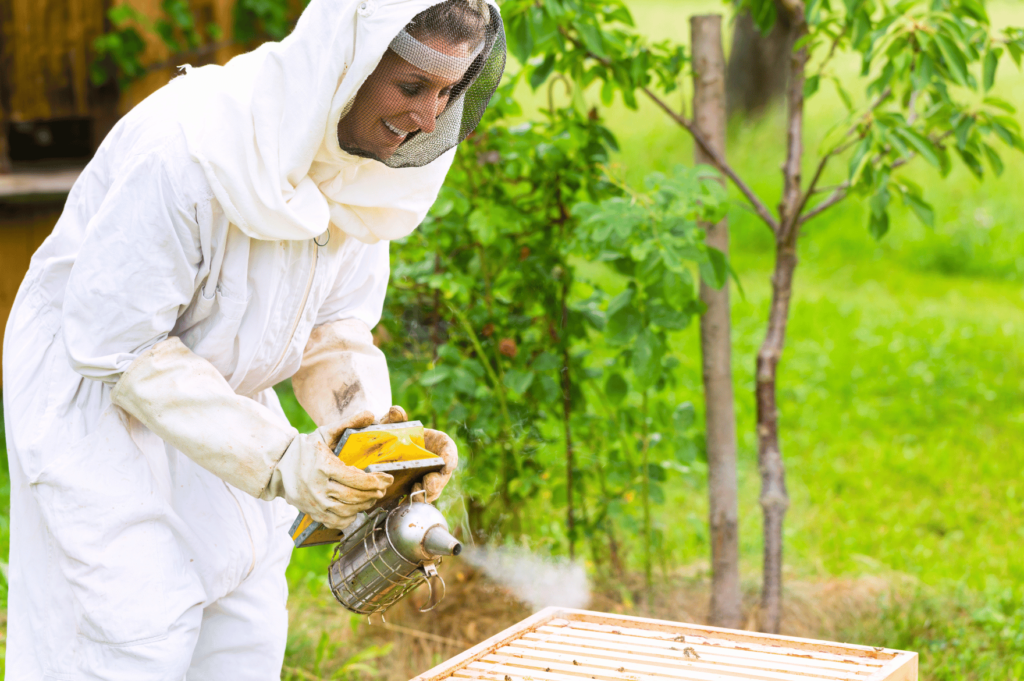
“What Is A Beekeeper? | Everything You …” from beeswiki.com
Beekeeping is more than just a hobby; it’s a commitment to nature and a rewarding journey into the world of bees. These incredible creatures are vital to our ecosystem, playing a crucial role in pollination. As a beekeeper, you’ll not only contribute to environmental sustainability but also enjoy the sweet rewards of honey production.
However, stepping into beekeeping can feel overwhelming with the abundance of choices and information available. The first step is understanding how to acquire your bee colony, which is essential for a successful start. Let’s dive into the essentials of buying bee colonies and packages.
Introduction to Beekeeping
Before you purchase your bees, it’s essential to familiarize yourself with the basics of beekeeping. This includes understanding the types of bees, the equipment you’ll need, and the seasonal tasks involved in maintaining a healthy hive. Beekeeping requires patience and dedication, but the rewards are immense.
Benefits of Beekeeping
Besides producing honey, beekeeping offers numerous benefits. Bees are excellent pollinators, and having them in your garden can significantly boost the yield of fruits and vegetables. Additionally, beekeeping provides an opportunity to learn about nature and contribute positively to your local environment.
Moreover, beekeeping can be a therapeutic activity. The gentle hum of bees and the methodical nature of hive inspections can be incredibly calming. Plus, it’s a fantastic way to connect with like-minded individuals and become part of a community dedicated to preserving these vital insects.
Choosing Between Bee Packages and Nucleus Colonies
When it comes to starting your beekeeping journey, one of the first decisions you’ll face is choosing between purchasing bee packages or nucleus colonies. Each option has its own set of advantages and disadvantages, and understanding these can help you make an informed decision. For more guidance, consider this beekeeping introduction guide to help you engage with your neighborhood.
What Are Bee Packages?
Bee packages are essentially starter kits for beekeepers. They typically contain around 10,000 worker bees and a queen. These bees are not from the same colony, which means they’ll need time to establish themselves and work together in their new home. It’s a cost-effective option for beginners, but it requires patience as the bees adapt and build their hive from scratch.
Understanding Nucleus Colonies
On the other hand, nucleus colonies, or “nucs,” are small, established hives. They usually come with several frames of brood, honey, and pollen, along with a queen and a population of bees. This setup provides a head start, as the bees are already familiar with each other and have begun building their community.
Comparing Advantages and Disadvantages
Choosing between a bee package and a nucleus colony depends on your goals and resources. Bee packages are generally cheaper and offer the excitement of watching your bees establish a new hive. However, they require more time to become productive.
Nucleus colonies, while more expensive, offer a quicker start to honey production and hive development. They’re ideal for those looking to see faster results and are willing to invest a bit more upfront. Consider your budget, time commitment, and beekeeping goals when making your choice.
Finding the Right Bee Supplier
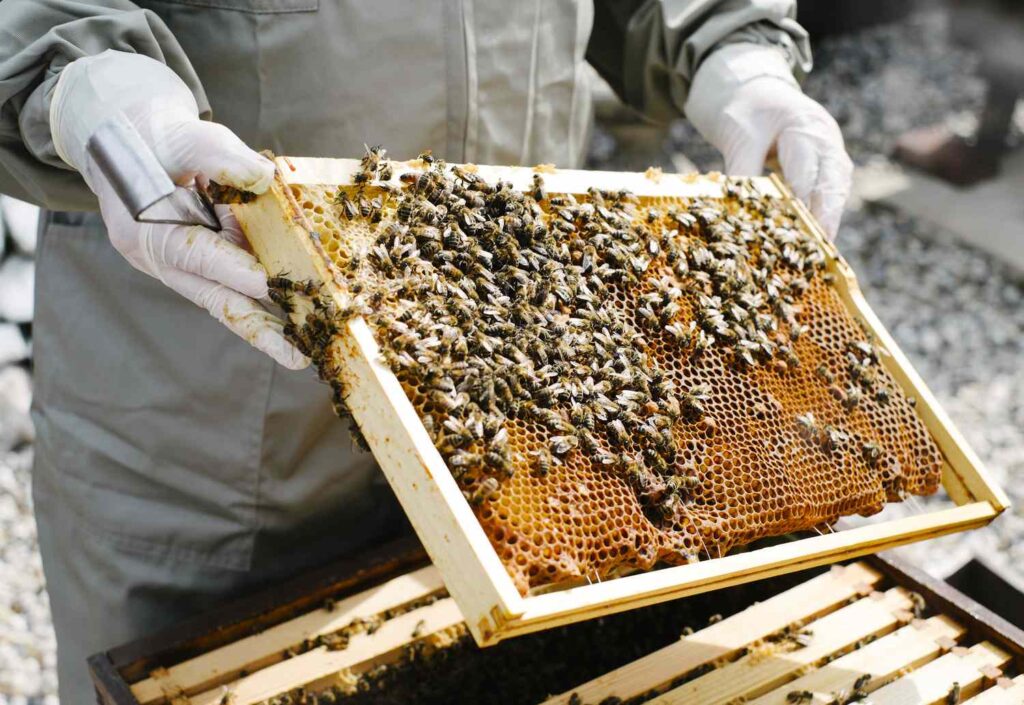
“A Quick Guide to Starting a Beehive” from www.treehugger.com
Once you’ve decided on the type of colony you want, the next step is finding a reputable supplier. The quality of your bees significantly impacts your beekeeping success, so it’s essential to choose wisely.
Research is crucial. Look for suppliers with positive reviews and a history of providing healthy bees. Ask for recommendations from local beekeeping groups or online forums. It’s also beneficial to visit potential suppliers to see their operations firsthand.
Local vs. Non-Local Bees
When choosing a supplier, consider the origin of the bees. Local bees are already adapted to your climate, which increases their chances of survival and productivity. They tend to be more resilient to local pests and diseases, reducing the risk of hive failure. For more insights on maintaining bee health, explore urban hive management techniques.
Non-local bees, while sometimes cheaper, may struggle to adapt to new environmental conditions. This can lead to increased maintenance and a higher likelihood of colony loss. Therefore, opting for local suppliers often provides a better foundation for successful beekeeping.
Evaluating Supplier Reputation
A supplier’s reputation can tell you a lot about the quality of their bees. Look for suppliers who are transparent about their practices and willing to answer your questions. They should provide information on bee health, queen breeding, and any treatments used. For more guidance, you can explore how to buy package bees from reputable sources.
Consider visiting their facilities to observe the conditions in which the bees are kept. This can give you a sense of their commitment to quality and animal welfare. Remember, a reputable supplier will be eager to share their knowledge and support you in your beekeeping journey.
Considerations for Bee Adaptation
When you bring bees into a new environment, it’s crucial to consider how well they’ll adapt. Bees that are well-adapted to their environment are more likely to thrive, leading to a healthier and more productive colony. Adaptation involves several factors, including climate, available flora, and potential threats from pests or diseases.
One of the most important considerations is the local climate. Bees accustomed to your area’s weather patterns will have an easier time surviving and thriving. They will also be more efficient in foraging and pollination, as they’re already familiar with the local plant life.
Besides climate, it’s essential to think about the available resources. Ensure there’s a diverse range of flowering plants nearby to provide nectar and pollen throughout the seasons. This will help your bees produce honey and maintain their health. For additional support, consider using eco-friendly feed supplements to boost their nutrition.
Installing Your Bee Colony

“Honey Bee Colonies | What Are They …” from beeswiki.com
Once you’ve selected your bees and prepared your hive, it’s time to install your colony. Proper installation is vital to ensure your bees settle in quickly and start building their new home. This process differs slightly between package bees and nucleus colonies, so let’s explore each method.
Preparation Steps Before Arrival
Before your bees arrive, make sure your hive is ready. This includes assembling the hive components, choosing a suitable location, and ensuring you have all necessary equipment on hand. A well-prepared hive will make the transition smoother for your bees.
Choose a location that offers protection from harsh winds and direct sunlight, while still allowing for adequate ventilation. Ideally, your hive should face southeast to catch the morning sun, which helps to warm the bees and encourage early foraging. For more insights on hive placement and management, explore this beekeeping introduction guide.
Additionally, ensure you have a water source nearby. Bees need water for cooling the hive, diluting honey, and consuming. A shallow dish with pebbles or a nearby pond can provide the necessary hydration.
Example: “Ensure your hive is assembled and placed in a southeast-facing location with access to water before your bees arrive.”
Installing a Package Colony
When installing a package colony, timing is key. Ideally, perform the installation in the late afternoon or early evening when the bees are less active. Start by gently spraying the bees with sugar water to calm them and reduce flight during the process.
Carefully remove the queen cage from the package and inspect her health. Then, place the cage in the hive, ensuring the queen’s exit is facing downwards. This allows the worker bees to access and feed her while they adjust to their new environment.
Installing a Nucleus Colony
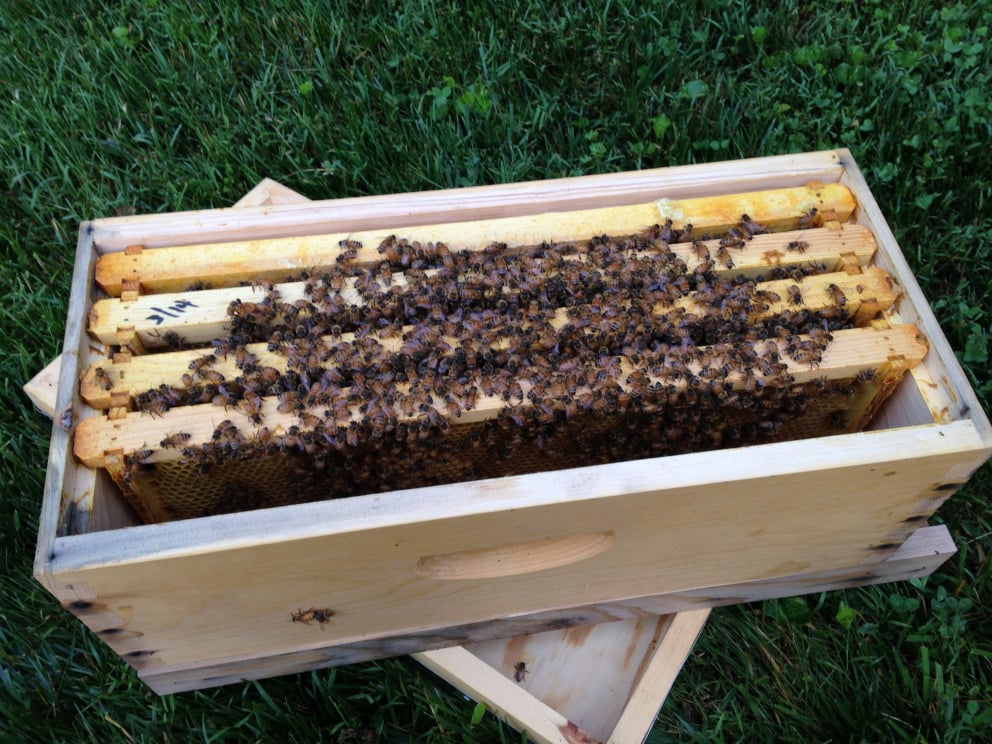
“Nucleus (Nuc) vs. Package Bees ― What …” from www.thebee.farm
Nucleus colonies are slightly easier to install since they come with established frames. Begin by removing a few frames from your hive to make space for the nuc frames. Transfer the nuc frames into your hive, maintaining their original order and orientation.
Once the frames are in place, close the hive and allow the bees to settle. It’s crucial to minimize disturbances during this period, as the bees adjust to their new surroundings and start expanding their hive.
Maintaining a Healthy Hive
After installation, maintaining the health of your hive becomes your primary responsibility. A healthy hive is more productive and less susceptible to diseases and pests. Regular inspections and proper care are essential to achieving this.
Regular Hive Inspections
Conducting regular hive inspections is critical to ensure your bees are thriving. Aim to inspect your hive every 7-10 days during the active season. This allows you to monitor the queen’s health, brood patterns, and honey production.
During inspections, look for signs of disease, pests, or other issues that could impact your colony. Early detection and intervention are key to preventing major problems and ensuring your bees remain healthy and productive. For effective management, consider using Varroa control kits to keep your hive in optimal condition.
Spotting and Managing Common Diseases
Beekeeping involves vigilance against common diseases like Varroa mites, American foulbrood, and chalkbrood. These diseases can quickly devastate a colony if left unchecked. Familiarize yourself with the symptoms of each disease and implement preventive measures.
Regular mite checks, maintaining hive cleanliness, and ensuring proper ventilation are effective ways to prevent disease. If you detect a problem, act swiftly to treat the issue and minimize its impact on your bees.
Importance of Seasonal Care
Example: “Seasonal care is crucial. During winter, ensure your hive is insulated and has sufficient honey stores to sustain the bees. For more tips on winterizing your hives, check out this guide on winterizing beehives.”
Each season brings unique challenges and requirements for your hive. In spring, focus on expanding the colony and preparing for the honey flow. Summer requires vigilant monitoring for swarming and ensuring the bees have enough resources. For comprehensive guidance, you can refer to this seasonal guide for hive management.
In fall, prepare your hive for winter by reducing entrances, insulating the hive, and ensuring sufficient honey stores. Winter is a time of minimal intervention, but regular checks for moisture and food stores are essential to ensure your bees survive until spring. For more tips on maintaining healthy hives, explore our seasonal guide to hive management.
Enhancing Your Beekeeping Skills
Example: “Join local beekeeping clubs to connect with experienced beekeepers and learn from their expertise.”
As you progress in your beekeeping journey, continue to enhance your skills and knowledge. This not only benefits your bees but also enriches your experience as a beekeeper. Engaging with the beekeeping community and seeking out educational resources, such as urban beekeeping apps, are excellent ways to grow.
Attending workshops and seminars can provide valuable insights and hands-on experience. These events often cover advanced topics like queen rearing, disease management, and honey harvesting techniques. They also offer opportunities to network with other beekeepers and share experiences.
Continue Learning About Beekeeping
Never stop learning. Beekeeping is an evolving field, with new research and techniques emerging regularly. Stay informed by reading books, articles, and scientific studies related to beekeeping. This will help you stay ahead of challenges and continuously improve your practices.
Online courses and webinars are also excellent resources for expanding your knowledge. They allow you to learn at your own pace and cover a wide range of topics, from beginner basics to advanced beekeeping techniques.
Join Local Beekeeping Groups
Joining local beekeeping groups is a fantastic way to enhance your beekeeping skills. These groups provide a supportive community where you can share experiences, ask questions, and learn from seasoned beekeepers. Engaging with others who share your passion can offer invaluable insights and support, especially when facing challenges.
Besides that, local groups often organize events, workshops, and meetings that can help you stay updated on the latest beekeeping trends and techniques. They are also a great place to find mentors who can guide you through the complexities of beekeeping.
Attending Workshops and Seminars
Workshops and seminars are excellent opportunities to deepen your understanding of beekeeping. These events typically cover a wide range of topics, from beginner basics to advanced practices like queen rearing and disease management. Attending these sessions allows you to gain hands-on experience and learn directly from experts in the field.
Moreover, workshops and seminars offer networking opportunities, connecting you with other beekeepers who can become part of your support network. Sharing experiences and knowledge with fellow beekeepers can enrich your own practices and foster a sense of community. For additional resources, consider exploring Betterbee for beekeeping supplies and education.
Concluding Thoughts on Beekeeping Success
Embarking on the beekeeping journey is a rewarding experience that requires dedication, patience, and a willingness to learn. By choosing the right bee colonies, finding reputable suppliers, and maintaining a healthy hive, you set a strong foundation for success. Remember, beekeeping is a continuous learning process, and each season brings new challenges and opportunities for growth.
Reflecting on Beekeeping Experiences
Reflecting on your beekeeping experiences is essential for growth and improvement. Take the time to evaluate what worked well and what could be improved. This reflection helps you develop strategies for future seasons and enhances your overall beekeeping skills.
Future Goals in Beekeeping
Setting future goals in beekeeping keeps you motivated and focused. Whether you aim to increase your hive count, improve honey yields, or venture into queen rearing, having clear objectives guides your efforts. Continually challenging yourself ensures you remain engaged and passionate about beekeeping.
Frequently Asked Questions
As you embark on your beekeeping journey, you may have several questions. Here are some common queries that aspiring beekeepers often have:
What is the best time of year to purchase bee colonies?
The best time to purchase bee colonies is in early spring. This timing allows your bees to establish themselves and build their hive during the peak flowering season, ensuring ample food resources. Ordering your bees in advance is crucial, as suppliers often sell out quickly.
How do I choose between a bee package or a nucleus colony?
Choosing between a bee package and a nucleus colony depends on your goals and experience level. Bee packages are cost-effective and offer the excitement of starting from scratch. Nucleus colonies, however, provide a head start with established frames and are ideal for those seeking quicker results.
How can I ensure the health of my bee colony?
To ensure the health of your bee colony, conduct regular hive inspections, monitor for diseases and pests, and provide adequate food and water resources. Maintaining proper hive conditions and staying informed about best practices are crucial for keeping your bees healthy and productive.
What type of hive is best for beginners?
For beginners, the Langstroth hive is often recommended due to its ease of use and widespread availability. It features removable frames, making inspections and honey harvesting straightforward. Additionally, its modular design allows for easy expansion as your beekeeping skills grow. For those interested in urban beekeeping, there are top tools and devices available to simplify the process.
- Langstroth hives are user-friendly and widely used by beekeepers.
- Top-bar hives offer a more natural approach, with horizontal frames.
- Warre hives mimic a tree cavity, providing a natural environment for bees.
Are there specific bee breeds that are easier to manage for new beekeepers?
Certain bee breeds are known for their gentle nature and ease of management, making them ideal for new beekeepers. Italian bees are popular due to their calm temperament and high honey production. Carniolan bees are also favored for their docile behavior and adaptability to various climates. For those interested in urban queen breeding practices, these breeds can be a great choice.
Ultimately, the choice of bee breed should consider your local environment and personal preferences. Consulting with experienced beekeepers or suppliers can provide valuable guidance in selecting the best breed for your needs. For those interested in urban settings, exploring urban queen breeding practices might offer additional insights.
In conclusion, beekeeping is a fulfilling and rewarding endeavor that offers numerous benefits. By following the steps outlined in this article, you can embark on a successful beekeeping journey and contribute positively to the environment. Remember, continuous learning and engagement with the beekeeping community are key to long-term success. Happy beekeeping!


Leave a Reply