
Key Takeaways
- Insulating rooftop beehives in NYC is crucial to protect bees from harsh winter temperatures.
- Proper ventilation prevents moisture buildup, which can harm bee colonies during winter.
- Moisture quilts are effective tools for managing humidity levels inside the hive.
- Securing hives against strong winds and heavy snow ensures the safety of the bee colonies.
- Regular hive inspections help identify potential issues and maintain bee health throughout winter.
“A Winter Guide To New York | Travelbag” from www.travelbag.co.uk
Preparing Rooftop Beehives for NYC Winters
Winterizing your rooftop beehives in New York City is not just a task, it’s a necessity. The cold months can be particularly brutal for our buzzing friends, and without proper preparation, bee colonies can suffer significant losses. This guide will walk you through the essential steps to ensure your rooftop hives thrive even in the harshest conditions.
Understanding NYC’s Unique Urban Beekeeping Challenges
Urban beekeeping in NYC comes with its own set of challenges. The city’s unique environment, characterized by tall buildings and concrete jungles, affects temperature regulation and wind patterns. These factors can make rooftop beehives more susceptible to the elements compared to those in rural areas. Therefore, understanding these challenges is the first step in effectively winterizing your hives.
Impact of Cold Weather on Bee Colonies
Cold weather can be detrimental to bee colonies. Bees cluster together to generate warmth, but when temperatures drop too low, they may not generate enough heat to survive. This is compounded by the fact that food resources are scarce during winter, and bees rely heavily on their stored honey for sustenance.
Moreover, cold weather can lead to increased moisture within the hive. Moisture is a silent killer of bee colonies because it can cause mold growth and chill the bees, leading to their demise. Therefore, managing both temperature and moisture levels is critical for winter survival.
Essential Winterizing Techniques for Urban Beekeepers
To ensure your rooftop beehives are well-prepared for winter, implementing a few key techniques can make all the difference. From insulation to ventilation, these strategies will help maintain a healthy environment for your bees.
Choosing the Right Insulation for Hive Protection
Insulation is your first line of defense against the cold. It helps to maintain a stable internal temperature, reducing the energy bees need to expend to stay warm. Several options are available, but choosing the right one depends on your specific setup.
- **Foam Board Insulation**: Provides excellent thermal resistance and is easy to cut and fit around the hive.
- **Bee Cozies**: These are specially designed wraps that provide insulation and are easy to apply.
- **Straw or Hay Bales**: Placing these around the hive can create a natural windbreak and additional insulation.
Remember, insulation should not cover hive entrances, as this can impede ventilation and lead to moisture buildup.
Ensuring Adequate Ventilation in Cold Conditions
While insulation is important, ventilation is equally crucial. It helps to control moisture levels inside the hive, which can be a bigger threat than the cold itself. Proper ventilation allows excess moisture to escape while keeping the warmth inside.
To achieve this, ensure that your hive has an upper entrance or a small opening at the top. This allows moist air to rise and exit the hive. Additionally, consider using a screened bottom board, which can help with ventilation while keeping pests out.
Using Moisture Quilts to Manage Humidity
Moisture quilts are an effective tool for managing humidity inside the hive. They work by absorbing excess moisture and preventing it from dripping back onto the bees. A typical moisture quilt consists of a breathable fabric filled with absorbent material, such as wood shavings.
To install a moisture quilt, place it on top of the inner cover of your hive. This setup allows it to capture moisture rising from the cluster, keeping the hive dry and reducing the risk of mold and other moisture-related issues.
Feeding and Nutrition Strategies for Winter
As winter sets in, bees rely on stored food reserves to survive. Ensuring that your bees have enough nutrition is crucial. Proper feeding strategies can make a significant difference in their health and survival rates during the colder months.
Maintaining Honey Reserves
“A well-prepared hive should have at least 60 pounds of honey to sustain the colony through winter.”
Honey is the primary food source for bees during winter. It’s essential to leave enough honey in the hive after the fall harvest. Typically, a single colony needs about 60 pounds of honey to last through winter. You can estimate this by weighing the hive or using a simple lift test.
During your fall inspections, assess the amount of honey stored in each hive. If you find that reserves are low, consider supplemental feeding options to boost their stores before the temperature drops significantly.
Supplemental Feeding Options
When honey reserves are insufficient, supplemental feeding becomes necessary. Here are some effective options:
- **Sugar Syrup**: In the fall, a 2:1 sugar-to-water syrup can help bees build up their stores.
- **Fondant or Candy Boards**: These are solid sugar feeds that can be placed directly in the hive for easy access during winter.
- **Pollen Patties**: These provide additional protein and are beneficial when natural pollen sources are scarce.
It’s important to introduce these feeds early in the fall, giving bees ample time to process and store them before the cold sets in. Avoid opening the hive frequently during winter, as this can disturb the bees and cause heat loss.
Securing Rooftop Hives Against Harsh Weather
Rooftop hives are particularly exposed to the elements. High winds, snow, and rain can pose significant threats. Securing your hives against these conditions is vital to protect your bees and their home.
Flood Prevention Techniques
Even on rooftops, water can accumulate and pose a threat to hives. Ensure that your hives are elevated and positioned on a stable, waterproof surface. Use hive stands or pallets to keep them off the ground, reducing the risk of flooding.
Protecting Hives from High Winds
Wind can be a major concern for rooftop hives. Strong gusts can topple hives or cause significant heat loss. To combat this, consider the following measures:
- **Tie Down Hives**: Use straps or ropes to secure hives to their stands or rooftop anchors.
- **Windbreaks**: Create barriers using materials like hay bales, fencing, or even tarps to shield hives from direct wind exposure.
- **Weight the Lids**: Place heavy objects, like bricks or stones, on hive lids to prevent them from being blown off.
These steps will help stabilize your hives and keep them safe from the harsh winter winds that can sweep across urban rooftops.
“New York Beekeepers Buzzing About …” from www.wsj.com
Pest and Disease Management During Winter
Winter doesn’t eliminate the threat of pests and diseases. In fact, some issues can become more pronounced during this time. Vigilant monitoring and management are necessary to keep your bees healthy.
Identifying Common Winter Pests
Several pests can threaten your hives during winter, including:
- **Mice**: They seek warmth and food in hives, potentially causing damage and disturbing the bees.
- **Varroa Mites**: These parasites can weaken colonies, making them more susceptible to cold and disease.
To prevent mice, use entrance reducers or mouse guards to limit access to the hive. Regularly check for signs of mice, such as droppings or chewed comb. For varroa mites, perform late fall treatments with appropriate miticides, ensuring you follow product guidelines for safe and effective use. For more information on urban beekeeping, check out this guide on the benefits of joining an urban beekeeping association.
Strategies to Mitigate Risks
Ensuring your rooftop beehives are well-prepared for winter involves proactive risk management. Besides insulation and feeding, addressing potential threats like pests and diseases is essential for maintaining healthy colonies.
Implementing preventative measures early on can save your bees from common winter hazards. Remember, a healthy colony is more resilient and better equipped to handle the challenges of winter.
Monitoring and Maintaining Hive Health
Regular monitoring of your hives throughout the winter months is crucial. This allows you to catch any issues early and take corrective action before they become serious problems.
Regular Winter Hive Inspections
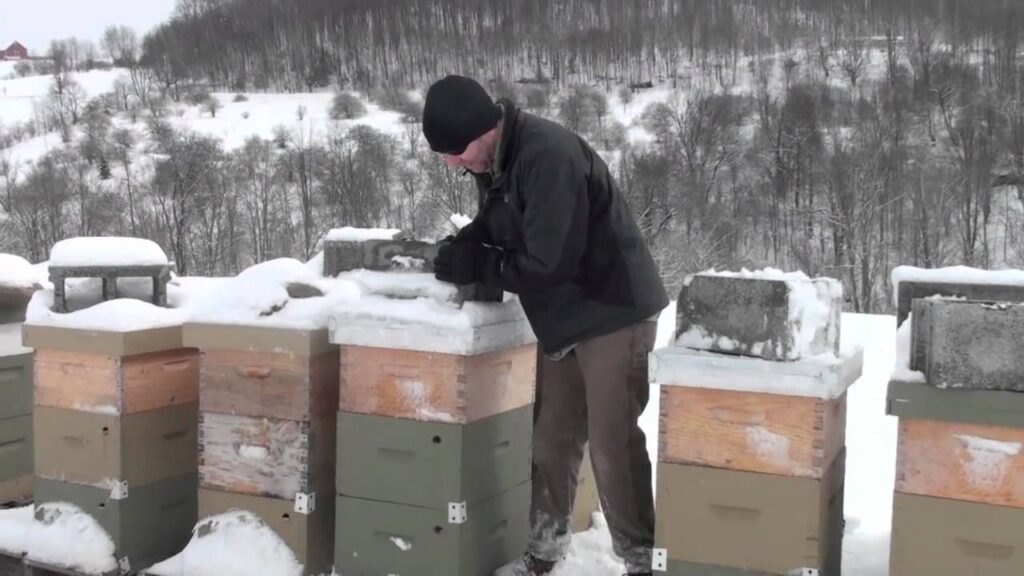
While frequent inspections are not advisable due to the cold, occasional checks are necessary to ensure everything is in order. Choose milder days for inspections to minimize disturbance to the bees. For more insights on hive management, explore natural hive management techniques.
During inspections, check for signs of moisture, mold, or pest intrusion. Ensure that the hive entrance remains clear of snow and debris, allowing for proper ventilation and bee movement.
Signs of Hive Distress and Remedies
Recognizing signs of distress in your hive can help you take timely action. Common indicators include:
- **Excessive Moisture**: Look for damp or moldy areas inside the hive. Address this by improving ventilation or replacing moisture quilts.
- **Low Bee Activity**: A significant drop in bee activity may indicate a dwindling colony. Check food stores and consider supplemental feeding if necessary.
- **Dead Bees Accumulating**: Some bee loss is normal, but a large number of dead bees may signal underlying issues. Investigate further to determine the cause.
By addressing these issues promptly, you can help ensure the survival and health of your bee colonies throughout winter.
Most importantly, always approach your hives with care and patience. The goal is to support the bees’ natural winter behaviors without causing undue stress. For more insights, explore natural hive management techniques.
“Winter Honeybee Hive Check – YouTube” from www.youtube.com
Final Thoughts on Urban Beekeeping Success
Winterizing rooftop beehives in NYC requires careful planning and attention to detail. By understanding the unique challenges of urban beekeeping and implementing the strategies outlined in this guide, you can help your bees thrive even in the harshest conditions. For more detailed guidance, check out this ultimate guide to overwintering success.
Remember, beekeeping is a journey of learning and adaptation. Each season brings new experiences and insights. Stay observant, be proactive, and most importantly, enjoy the process of nurturing these incredible creatures.
Frequently Asked Questions
Urban beekeeping can be complex, and it’s natural to have questions. Here are some common inquiries and their answers to help you on your beekeeping journey.
How can I tell if my beehive is properly insulated?
A well-insulated hive will maintain a stable temperature with minimal drafts. During inspections, check for any gaps or areas where cold air might enter. Also, monitor the bees’ behavior; if they appear active and are not clustered too tightly, the insulation is likely adequate. For more sustainable practices, consider using recycled hive components to improve insulation.
Using a thermal imaging camera can also help identify any cold spots in the hive that may need additional insulation.
What additional steps should I take if severe weather is expected?
If severe weather is forecasted, take extra precautions to secure your hives. Ensure that lids are weighted down, and check all tie-downs and windbreaks. It’s also wise to inspect the hive entrances and clear any obstructions to prevent snow buildup.
Consider adding extra insulation temporarily, such as a tarp over the hive, to provide additional protection from wind and snow.
By staying vigilant and prepared, you can help your bees weather any storm that winter may bring.




Leave a Reply