
Key Takeaways
- Italian queen bees are known for their gentle nature and high honey production, making them ideal for beginners.
- Carnolian queens are adaptable to various climates and exhibit strong resistance to pests and diseases.
- Russian queen bees offer excellent resistance to mites and thrive in colder environments.
- Buckfast queens are robust and disease-resistant, suitable for diverse beekeeping conditions.
- Choosing the right queen bee involves evaluating traits such as health, genetic background, and adaptability.
Introduction: Discover the Best Queen Bees for Beekeeping Success

“Our Story – Queen Bee Gardens” from queenbeegardens.com
When it comes to beekeeping, the queen bee reigns supreme. Her role is not just about laying eggs; she sets the tone for the entire hive. The right queen can mean the difference between a thriving colony and one that struggles to survive. So, how do you choose the best queen bee for your beekeeping endeavors?
To answer this question, we must first understand the different types of queen bees available and what makes each unique. Whether you’re a novice or a seasoned beekeeper, selecting the right queen is crucial for your hive’s health and productivity. Let’s delve into the world of queen bees and uncover which ones are best suited for your needs.
The Role of the Queen Bee in a Hive
The queen bee is the heart of the hive. Her primary role is to lay eggs, ensuring the colony’s continuity. A healthy queen can lay up to 2,000 eggs per day during peak season. Besides reproduction, she produces pheromones that help maintain harmony and order within the hive.
These pheromones play a vital role in social cohesion, signaling the workers to perform specific tasks. Without a queen, a hive can become disorganized and eventually perish. Therefore, the queen’s health and productivity directly influence the overall success of the colony.
Most importantly, the queen’s genetic makeup determines the traits of the worker bees. This includes their temperament, disease resistance, and honey production capabilities. Thus, selecting a queen with desirable traits is a strategic decision that impacts the entire beekeeping operation.
Importance of Selecting the Right Queen Bee
Choosing the right queen bee is not just about picking any queen; it’s about selecting one that fits your specific beekeeping goals and environmental conditions. A queen’s lineage can affect how well the hive adapts to local climates and challenges, such as pests and diseases.
Furthermore, different queen breeds exhibit unique characteristics that can benefit various beekeeping practices. For instance, some queens may produce bees that are gentle and easy to manage, while others might be more robust and better suited for harsher environments.
Therefore, understanding the strengths and weaknesses of each queen breed can guide you in making an informed decision. This ensures that your hive remains healthy, productive, and resilient throughout the seasons.
Top Breeds of Queen Bees for Beekeeping
When it comes to queen bees, not all are created equal. Each breed brings its own set of characteristics and advantages. Let’s explore some of the most popular queen bee breeds that beekeepers favor worldwide.
Italian Queen Bees: Gentle and Productive
Italian queen bees are perhaps the most well-known and widely used breed in beekeeping. Known for their gentle disposition, they are ideal for beginner beekeepers who may still be learning the ropes. These queens produce worker bees that are prolific honey producers, making them a favorite among commercial beekeepers.
Italian queens are also recognized for their bright yellow color, which makes them easily identifiable within the hive. Their ability to maintain strong colonies and resist diseases like European foulbrood further cements their reputation as a reliable choice for beekeepers.
Carnolian Queen Bees: Adaptable and Hardy
Carnolian queens hail from the regions of Slovenia and Austria, where they have adapted to variable weather conditions. These queens are known for their ability to thrive in both cold and warm climates, making them a versatile option for beekeepers in diverse regions.
Besides that, Carnolian bees are excellent foragers and display strong resistance to pests and diseases. Their calm nature makes them easy to work with, and they have a low tendency to swarm, which is a significant advantage for maintaining stable colonies.
Importance of Adaptability to Local Climate
When selecting a queen bee, one of the most critical factors to consider is her adaptability to your local climate. Different regions present unique challenges, from temperature extremes to varying flora. A queen that thrives in your specific environment will ensure the health and productivity of your colony.
For instance, in colder climates, a queen with cold-weather resilience, like the Russian queen, can better withstand harsh winters. Conversely, in warmer regions, an Italian queen might be more suitable due to her prolific nature and ability to manage in heat. Therefore, understanding the environmental demands of your location is crucial when choosing a queen.
Example: Beekeepers in the northern United States often prefer Russian queens for their ability to survive cold winters and resist varroa mites, a common pest in colder areas.
Besides climate, local flora plays a role in determining the best queen for your hive. Some queens may be better suited for regions with specific types of flowers, affecting honey production and bee health. Therefore, evaluating both climate and available forage is essential for optimal hive management.
Tips for Successful Queen Bee Introduction and Management
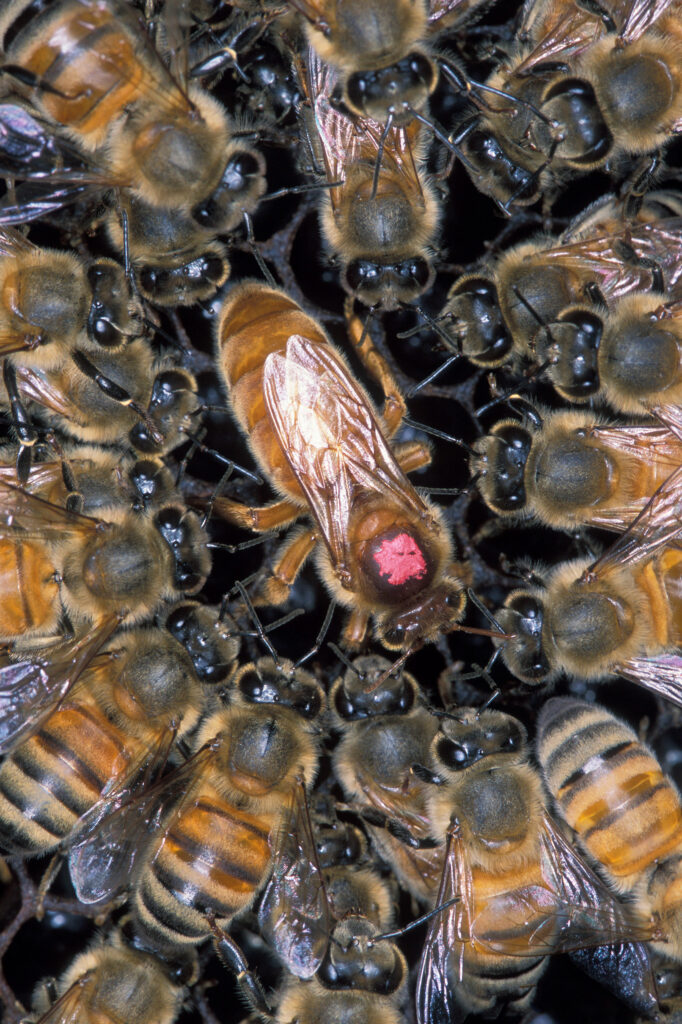
“Queen bee – Wikipedia” from en.wikipedia.org
Introducing a new queen bee to a hive can be a delicate process. The existing worker bees may not immediately accept her, which can lead to rejection or even harm to the new queen. Therefore, it’s important to follow specific steps to ensure a smooth transition.
Firstly, preparing the hive for the new queen is crucial. Remove any existing queen and give the hive a few hours to realize they are queenless. This will make them more likely to accept a new queen when introduced.
Preparing the Hive for a New Queen
Before introducing a new queen, ensure the hive is healthy and free of diseases. A clean and well-maintained environment increases the likelihood of acceptance. Additionally, inspect the hive for any signs of aggression or stress among the worker bees.
Steps to Introduce a Queen Bee Safely
Once the hive is prepared, it’s time to introduce the new queen. Most beekeepers use a queen cage, which allows the worker bees to get accustomed to her scent while preventing direct contact. Place the cage within the hive and allow the bees to release her gradually.
Monitor the hive closely during this period. If the bees are calm and begin feeding the queen through the cage, it’s a positive sign. However, if they display aggression, such as biting the cage, consider re-evaluating the introduction process.
Monitoring the Queen’s Acceptance in the Hive
After the queen is released, keep a close eye on the hive for the next few weeks. Look for signs of acceptance, such as the queen laying eggs and the workers tending to her. If the queen is not accepted, you may need to repeat the introduction process with a new queen. For more insights, consider exploring beekeeping educational resources to enhance your skills and techniques.
Queen Bee Rearing Methods
Raising your own queen bees can be a rewarding experience that provides greater control over your hive’s genetics. There are several methods to rear queens, each with its own advantages and challenges. For more information on the tools and techniques involved, check out our guide on queen rearing supplies and methods.
Two popular techniques are natural queen rearing and grafting. Both methods have their place in beekeeping, depending on your goals and experience level.
Natural Queen Rearing Techniques
Natural queen rearing relies on the bees’ instinct to produce a new queen when the hive is queenless. By creating a situation where the bees feel the need to raise a queen, you can harness this natural process. For more information on methods and tools, check out our guide on queen rearing supplies and techniques.
Grafting Method: Pros and Cons
Example: The grafting method involves transferring larvae from worker cells to queen cups, encouraging the bees to raise queens from these selected larvae. For a seamless process, consider using beekeeping software to manage your hive efficiently.
Grafting allows for greater control over the selection of larvae, ensuring that only the best genetic traits are passed on. However, it requires skill and precision, making it more suitable for experienced beekeepers.
While grafting can yield a higher number of queens, it’s important to weigh the pros and cons before deciding on this method. If you’re new to beekeeping, starting with natural queen rearing might be a more manageable approach.
Queen Mating and Breeding Practices
Once your queens are reared, ensuring successful mating is the next step. Mating typically occurs outside the hive in designated areas called drone congregation areas. It’s essential to have a sufficient number of drones from diverse genetic backgrounds to ensure robust offspring.
Breeding practices can vary, but the goal is to produce queens with desirable traits such as disease resistance, productivity, and temperament. Maintaining detailed records of breeding lines can help track genetic improvements over time. For seamless hive management, consider using beekeeping software to efficiently organize and analyze these records.
Maintaining Healthy Bees for Maximum Hive Productivity
Beyond selecting the right queen, maintaining overall hive health is crucial for maximizing productivity. This involves ensuring adequate nutrition, preventing diseases, and implementing seasonal management practices.
Ensuring Adequate Nutrition
Nutrition plays a significant role in bee health and productivity. Providing a balanced diet with access to diverse forage is essential for strong colonies. Consider supplementing with pollen patties or sugar syrup during periods of low nectar flow.
Additionally, monitor the hive for signs of malnutrition, such as reduced brood production or low honey stores. Addressing nutritional deficiencies promptly can prevent long-term issues and support healthy hive growth.
Besides providing external supplements, ensuring the hive has access to clean water is also important. Bees use water to regulate hive temperature and humidity, which is critical for brood development.
Example: During dry spells, placing a shallow dish of water with floating objects like corks can provide bees with a safe drinking source.
By prioritizing nutrition and hydration, you’ll create a strong foundation for your hive’s success. This, combined with the right queen, sets the stage for a thriving beekeeping venture.
Disease Prevention and Control
Keeping your bees healthy is a cornerstone of successful beekeeping. Disease prevention begins with regular hive inspections. Look for signs of common ailments like Varroa mites, American foulbrood, and nosema. Early detection is key to preventing widespread issues.
Most importantly, maintain a clean environment within the hive. Remove any dead bees and debris, as these can harbor pathogens. Consider using screened bottom boards to reduce mite loads and improve ventilation. Additionally, rotating combs every few years helps minimize the buildup of disease-causing spores.
Seasonal Hive Management Practices
Seasonal management is crucial for adapting to the changing needs of your hive throughout the year. In spring, focus on expanding the colony and ensuring ample space for brood rearing. This is also the time to split strong colonies to prevent swarming.
During summer, monitor honey stores and ensure adequate ventilation to prevent overheating. Fall is the time to prepare for winter by consolidating hives and ensuring they have enough honey to last through the colder months. Winter management involves insulating the hive and reducing entrances to prevent drafts.
The Future of Beekeeping: Innovations in Queen Breeding

“Genetics 101 – Ask The Scientists” from askthescientists.com
As beekeeping evolves, so do the methods for breeding queens. Innovations in genetics and technology are paving the way for healthier, more resilient bee populations. These advancements promise to address some of the biggest challenges facing beekeepers today.
Genetic Advances and Bee Health
Selective breeding programs are focusing on enhancing traits such as disease resistance and productivity. By identifying and propagating queens with desirable genetic traits, beekeepers can develop stronger colonies. This approach not only boosts hive health but also reduces the need for chemical interventions.
Moreover, genetic research is uncovering the secrets behind bee behavior and adaptation. Understanding these factors allows for more targeted breeding efforts, resulting in queens that are better suited to specific environments and challenges. For those interested in raising their own queens, exploring queen rearing supplies and methods can be highly beneficial.
The Impact of Technological Developments
Technology is playing an increasingly important role in beekeeping. From hive monitoring systems to artificial insemination techniques, these tools are enhancing our ability to manage and improve bee populations. For instance, sensors can track hive conditions in real-time, alerting beekeepers to potential issues before they escalate.
Additionally, advances in data analysis are providing insights into bee health and behavior. By leveraging this information, beekeepers can make more informed decisions about queen selection and hive management. These technological developments are helping to secure a sustainable future for beekeeping.
Frequently Asked Questions
As you embark on your beekeeping journey, you may have questions about queen bees and hive management. Here are some common queries and their answers to guide you.
What makes a queen bee different from other bees?
The queen bee is unique because she is the only female in the hive capable of laying fertilized eggs. Her role is crucial for colony reproduction and cohesion. Unlike worker bees, she has a longer lifespan and larger size, which allows her to fulfill her duties effectively. For those interested in learning more about the tools and methods for raising queen bees, check out these queen rearing supplies.
How often should I replace my queen bee?
It’s generally recommended to replace your queen bee every 1-2 years. This ensures that she remains healthy and productive, as older queens may experience a decline in egg-laying capacity. Regular replacement also helps introduce fresh genetics into the hive, promoting overall colony vitality.
What is the best time of year to introduce a new queen?
Spring and early summer are ideal times to introduce a new queen. During these seasons, the hive is actively growing, and the bees are more likely to accept a new queen. Introducing her during this period allows the colony to stabilize and prepare for the productive months ahead.
Example: A beekeeper in California introduced a new Italian queen in April. By June, the colony had doubled in size, and honey production increased significantly.
Introducing a queen in the fall can be challenging, as the bees are preparing for winter and may be less receptive to change. Therefore, timing your queen introduction is crucial for successful hive integration. For those looking to improve their skills in this area, consider exploring queen rearing supplies and methods to enhance your beekeeping practices.
Can I raise my own queen bees at home?
Yes, raising your own queen bees at home is possible and can be a rewarding experience. It allows you to select for specific traits and improve the genetic quality of your hives. Start by learning the basics of queen rearing and practicing simple techniques like the natural method.
Example: A small-scale beekeeper successfully raised queen bees using the starter colony method, resulting in a more resilient and productive apiary. For more insights, explore beekeeping educational resources to enhance your skills and techniques.
As you gain experience, you can explore more advanced methods like grafting. Raising your own queens not only enhances your beekeeping skills but also contributes to the sustainability of your apiary.
How do I know if my queen bee is failing?
Signs of a failing queen include a decrease in egg production, irregular brood patterns, and increased aggression among worker bees. You may also notice the presence of multiple queen cells, indicating that the hive is attempting to replace her.
Regular hive inspections can help you identify these issues early. If you suspect your queen is failing, consider replacing her promptly to prevent a decline in colony health. A proactive approach ensures that your hive remains strong and productive.
By understanding the importance of queen bees and implementing effective management practices, you can achieve beekeeping success. Whether you’re choosing the best queen for your hive or exploring innovative breeding techniques, these insights empower you to make informed decisions that benefit both your bees and your beekeeping endeavors.




Leave a Reply