
Key Takeaways
- Beekeeping is crucial for pollination, which supports plant growth and biodiversity.
- Starting with the right equipment, like protective gear and hives, is essential for successful beekeeping.
- Understanding bee behavior, including the life cycle and communication, helps manage hives effectively.
- Regular hive inspections and maintenance prevent diseases and control pests.
- Joining beekeeping clubs and online forums provides support and enhances learning.

“What’s it like being a beekeeper …” from www.sciencemill.org
Beekeeping is more than just a hobby; it’s a fascinating journey into the world of bees that has a profound impact on our environment. Whether you’re drawn to it for the honey, the environmental benefits, or the sheer joy of watching these incredible creatures at work, beekeeping offers something for everyone. Let’s dive into what makes beekeeping so important and how you can start your journey.
Start Your Beekeeping Journey
Embarking on the path of beekeeping is both exciting and rewarding. It allows you to connect with nature and contribute to environmental conservation. But why exactly does beekeeping matter?
Why Beekeeping Matters
Beekeeping plays a pivotal role in maintaining the health of our ecosystem. Bees are responsible for pollinating a significant portion of the plants we rely on for food. Without them, our diets would be drastically different, and our environment less diverse.
Impact on Environment and Ecosystem
Bees are vital pollinators, supporting the growth of trees, flowers, and other plants, which serve as food and shelter for creatures large and small. Their work directly affects the quality of the air we breathe, the water we drink, and the food we eat. For those interested in learning more about the importance of bees, Beekeeping 101 offers valuable insights into their role in our ecosystem.
Besides that, bees help maintain biodiversity. By pollinating a wide range of plants, they support ecosystems that are rich and varied. This biodiversity ensures resilience against environmental changes and supports life on Earth.
Personal Benefits of Beekeeping
On a personal level, beekeeping offers numerous benefits. It provides a unique opportunity to learn about these fascinating insects and their complex societies. Additionally, tending to bees can be a meditative experience, offering a sense of peace and fulfillment. For those interested in enhancing their beekeeping practices, exploring beekeeping software can be beneficial.
Moreover, beekeeping can be a source of income. Honey, beeswax, and other bee products are always in demand. By learning the skills and techniques of beekeeping, you can produce high-quality products right from your backyard.
Basic Equipment and Setup
Before you dive into beekeeping, it’s crucial to gather the right equipment. Starting with the essentials ensures that your bees are healthy and productive. For a seamless experience, consider using beekeeping software to manage your hive effectively.
Essential Beekeeping Tools
Every beekeeper needs a basic set of tools. These include: a smoker, hive tool, and protective gear. For those interested in advanced technology, exploring the best remote hive monitoring systems can be beneficial.
- Protective Clothing: A beekeeping suit, gloves, and a veil protect you from stings.
- Hive Tool: This versatile tool helps open hives and scrape off excess wax.
- Smoker: A smoker calms the bees, making hive inspections safer and easier.
- Bee Brush: Soft bristles gently move bees off frames without harming them.
Setting Up Your First Hive
Setting up your first hive is an exciting milestone. Choose a hive style that suits your needs, such as the popular Langstroth hive, known for its ease of use and efficiency.
Once you’ve selected a hive, assemble it carefully, ensuring all parts fit snugly. Paint the exterior to protect it from the elements, but avoid painting the inside, as bees prefer natural wood.
Choosing the Right Location
The location of your hive can significantly impact its success. Place your hive in a sunny spot, sheltered from strong winds. Ensure there’s a nearby water source, as bees need water to cool the hive and maintain humidity.
Avoid placing the hive near high-traffic areas or where pesticides are used. A quiet, safe location allows bees to thrive without unnecessary stress.
Beekeeping Techniques
Mastering beekeeping techniques is essential for maintaining healthy hives and maximizing honey production. Let’s explore some foundational skills every beekeeper should know, including creating a nectar-rich environment for bees.
Hive Management Basics
Regular hive inspections are crucial. Check for signs of disease, pests, and the queen’s health. Look for eggs, larvae, and capped brood to ensure the queen is laying well.
Most importantly, manage space within the hive. As the colony grows, add additional frames or boxes to prevent overcrowding and swarming.
Honey Harvesting Techniques
Harvesting honey is one of the most rewarding aspects of beekeeping. Use a bee escape board or a gentle brushing technique to remove bees from the honey super.
Once the bees are removed, extract the honey using a honey extractor. Strain it to remove any impurities before bottling.
Remember to leave enough honey for the bees to sustain themselves, especially before winter. If you need to supplement their food, consider using bee nectar substitute products during times of dearth.
Seasonal Hive Maintenance
Seasonal maintenance is crucial for the health and productivity of your hive. Each season presents unique challenges and opportunities for beekeepers, requiring specific actions to ensure the colony thrives.
- Spring: Inspect the hive for winter damage and clean out any debris. Check the queen’s health and look for signs of brood. Add additional frames if needed to accommodate growth.
- Summer: Monitor for swarming behavior and manage hive space. Harvest honey as supers fill up. Watch for signs of pests and diseases.
- Fall: Reduce hive entrances to keep out pests and prepare for winter. Ensure the colony has enough honey stores to last through the colder months.
- Winter: Protect the hive from harsh weather. Ensure proper ventilation to prevent moisture buildup, which can harm the bees.
By following these seasonal guidelines, you can maintain a healthy and productive hive throughout the year. Each season requires different interventions, but with careful planning, your bees will remain strong and resilient.
Remember, consistency in your maintenance routine will help prevent many common problems beekeepers face. Most importantly, stay observant and proactive in addressing any issues that arise.
Understanding Bee Behavior
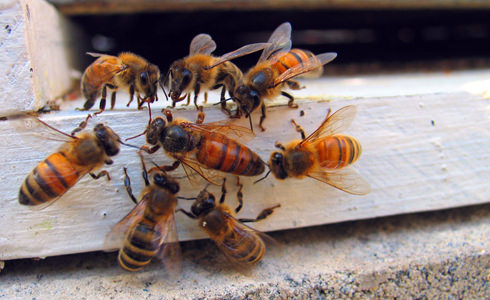
“Watching Bee Behavior – Hobby Farms” from www.hobbyfarms.com
Understanding bee behavior is key to successful beekeeping. Bees are complex creatures with fascinating social structures and communication methods. By learning about their behavior, you can better manage your hives and ensure their well-being.
Bees operate in a highly organized society, where each member has a specific role. This division of labor is essential for the colony’s survival and efficiency. For those interested in managing bee colonies effectively, utilizing the best beekeeping software can greatly enhance hive management.
Let’s delve deeper into some of the critical aspects of bee behavior.
- Division of labor within the hive
- Communication methods, including the waggle dance
- Defense mechanisms against threats
The Life Cycle of Bees
The life cycle of bees is a fascinating process that begins with the queen laying eggs. These eggs develop into larvae, pupae, and eventually adult bees. Each stage of development is crucial for the colony’s sustainability.
Communication in the Colony
Bees communicate through a series of movements known as the “waggle dance.” This dance conveys information about the location of food sources to other members of the colony.
Understanding this communication method helps beekeepers identify when and where their bees are foraging, which can inform decisions about hive placement and management.
Role of the Queen Bee
The queen bee is the heart of the colony. Her primary role is to lay eggs, ensuring the colony’s growth and survival. A healthy queen can lay thousands of eggs per day during peak seasons. For those interested in maintaining a thriving colony, understanding bee forage plants can provide a nectar-rich environment essential for the colony’s success.
Besides reproduction, the queen also emits pheromones that regulate the behavior and harmony of the colony. Her presence is vital for maintaining order within the hive.
Protecting Your Bees
Protecting your bees from pests, predators, and diseases is a fundamental part of beekeeping. By taking proactive measures, you can ensure your colony remains healthy and productive.
There are several threats to bees that beekeepers must be aware of, including mites, beetles, and various diseases. Understanding these threats is the first step in protecting your hive.
Common Pests and Predators
Common pests such as the Varroa mite and small hive beetle can wreak havoc on a colony if left unchecked. Regular inspections and treatments are essential for controlling these pests.
Predators like bears and skunks may also pose a threat. Secure your hives with electric fences or elevated stands to deter these animals.
Most importantly, stay vigilant and act quickly if you notice signs of infestation or predation.
Disease Prevention and Treatment
Disease prevention is crucial for maintaining a healthy hive. Common diseases include American foulbrood, European foulbrood, and Nosema. Early detection and treatment are key to preventing outbreaks.
Safe Use of Pesticides
When using pesticides, always choose bee-friendly options and apply them during times when bees are less active, such as early morning or late evening. For more tips on protecting your bees, consider exploring educational resources for new beekeepers. This reduces the risk of harming your bees.
Getting Involved in the Beekeeping Community
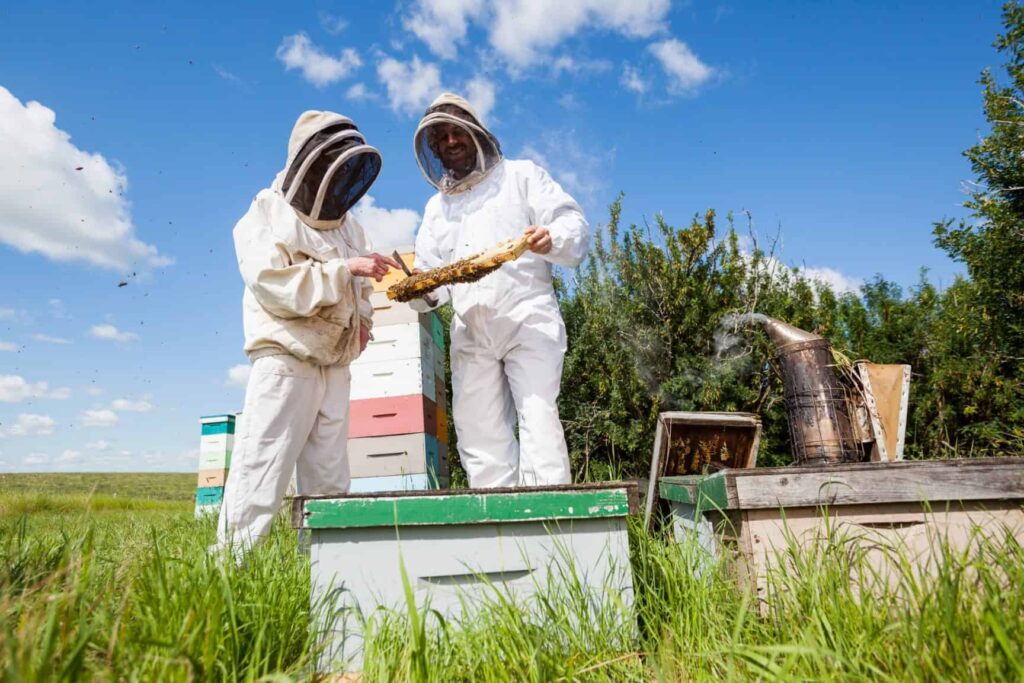
“6 ways to join the beekeeping community …” from www.perfectbee.com
Joining the beekeeping community offers invaluable support and resources. By connecting with other beekeepers, you can share experiences, learn new techniques, and stay informed about the latest developments in beekeeping.
Whether through local clubs, online forums, or conferences, being part of the beekeeping community enhances your skills and enriches your experience. For those interested in advancing their knowledge, exploring remote hive monitoring systems can provide valuable insights into hive health and activity.
Let’s explore some of the ways you can get involved.
Joining Local Beekeeping Clubs
Local beekeeping clubs provide a platform for beekeepers to meet, exchange ideas, and offer mutual support. These clubs often host workshops, seminars, and field days, providing hands-on learning opportunities.
Besides that, they offer a sense of camaraderie and community, making beekeeping a more enjoyable and rewarding pursuit.
Benefits of Online Forums and Resources
Online forums and resources are invaluable for beekeepers of all levels. They offer a wealth of information on every aspect of beekeeping, from hive management to honey extraction. These platforms are filled with experienced beekeepers willing to share their knowledge and answer questions.
Moreover, online resources provide access to the latest research and developments in beekeeping. Whether you’re looking for advice on dealing with pests or tips on increasing honey yield, there’s a forum or website ready to help. Engaging with these resources can enhance your skills and keep you informed about best practices.
How Conferences Can Enhance Your Skills
Beekeeping conferences are fantastic opportunities to learn from experts and network with fellow beekeepers. These events feature workshops, presentations, and demonstrations on the latest techniques and technologies in beekeeping. Attending a conference can provide you with new insights and strategies to improve your beekeeping practices.
Additionally, conferences often host keynote speakers who are leaders in the field of apiculture. Listening to their experiences and advice can inspire and motivate you to take your beekeeping to the next level. Besides that, conferences are excellent venues for building connections and sharing experiences with others who share your passion. For more insights, explore these educational resources for new beekeepers.
Most importantly, the knowledge and skills you gain at these events can directly impact the success of your apiary. Whether you’re a novice or an experienced beekeeper, there’s always something new to learn at a beekeeping conference.
Final Thoughts on Beekeeping
Beekeeping is a rewarding and impactful endeavor. It offers personal fulfillment and contributes to environmental sustainability. By embracing the challenges and joys of beekeeping, you can make a difference in your community and the world.
Encouragement for New Beekeepers
Starting your beekeeping journey can be daunting, but remember, every expert was once a beginner. Take it one step at a time, and don’t be afraid to ask for help. The beekeeping community is supportive and eager to share knowledge. For instance, understanding queen rearing supplies can be a valuable skill for new beekeepers.
As you gain experience, you’ll develop a deeper appreciation for the intricacies of bee life and the importance of their role in our ecosystem. Stay curious, keep learning, and enjoy the process.
Remember, beekeeping is not just about the honey; it’s about connecting with nature and contributing to a healthier planet.
Long-term Sustainability of Your Apiary
Ensuring the long-term sustainability of your apiary requires ongoing education, adaptation, and commitment. Stay informed about environmental changes and advancements in beekeeping techniques.
Implement sustainable practices, such as natural pest control methods and habitat conservation, to support your bees’ health and productivity. By doing so, you’ll create a thriving apiary that benefits both you and the environment.
Frequently Asked Questions
As you embark on your beekeeping journey, you may have questions. Here are some common inquiries and their answers to guide you.
What is the best season to start beekeeping?
Spring is the ideal season to start beekeeping. During this time, flowers bloom, providing abundant nectar and pollen for your bees. Starting in spring gives your colony ample time to establish itself before winter.
How often should I inspect my beehive?
Regular inspections are crucial for maintaining hive health. Aim to inspect your hive every 7-10 days during the active season. During these inspections, check for:
- Signs of disease or pests
- The presence of the queen and brood
- Honey and pollen stores
Frequent inspections help you catch issues early and ensure your colony’s well-being.
What are the costs involved in beekeeping?
- Beehive and equipment: $200-$400
- Protective clothing: $50-$150
- Bee colony: $100-$150
- Annual maintenance: $100-$200
While initial costs can be significant, the rewards of beekeeping often outweigh the expenses. Plan your budget carefully and consider starting small to manage costs effectively. To further reduce expenses, consider investing in weatherproof hive insulation to protect your hives and reduce long-term maintenance costs.
How do I prevent bee stings?
Preventing bee stings involves wearing proper protective gear and handling your bees gently. Move slowly and calmly around the hive, and avoid strong scents that may agitate the bees. Using a smoker can also help calm the colony during inspections.
Can bees survive in all climates?
Bees can adapt to various climates, but they thrive best in moderate conditions. In extreme climates, additional measures, such as hive insulation or ventilation, may be necessary to protect your bees. It’s essential to research and prepare for the specific challenges of your region to ensure your bees’ survival.



Leave a Reply