
Key Takeaways
- During dearth periods, bees struggle to find enough nectar, making substitutes essential for their survival.
- Sugar syrup is a popular nectar substitute; the ratio depends on the season and bee needs.
- Commercial nectar substitutes offer convenience but may vary in nutritional content.
- Homemade alternatives can be cost-effective and tailored to specific colony needs.
- Feeding bees incorrectly during dearth can lead to robbing behavior and other hive issues.
Why Bee Nectar Substitutes Are Vital During Dearth

“Bumblebees collecting resources from …” from www.researchgate.net
Imagine a world where your favorite food suddenly disappears. That’s what bees experience during dearth periods when flowers stop producing nectar. Without this essential resource, bee colonies face significant challenges. This is why providing nectar substitutes is crucial.
Definition of Dearth Periods
A dearth period occurs when natural nectar sources are scarce. This can happen due to seasonal changes, droughts, or other environmental factors. During these times, bees can’t find the nectar they need to produce honey and sustain their hive.
Impact on Bee Colonies
The lack of nectar can have a ripple effect on the entire colony. Worker bees, responsible for gathering nectar, may become stressed and overworked, leading to decreased productivity. The queen may reduce her egg-laying, resulting in fewer new bees to support the colony. In severe cases, colonies may even starve.
Besides that, without sufficient nectar, bees can’t produce honey, their primary food source. This not only affects their immediate survival but also their ability to build reserves for the winter months.
Common Challenges Faced by Beekeepers
During dearth periods, beekeepers face the challenge of maintaining their colonies’ health and productivity. One of the biggest concerns is ensuring that bees have enough food. Feeding bees during these times requires careful planning and monitoring.
Another challenge is preventing robbing behavior, where bees from other colonies invade hives to steal food. This can lead to fights and even the collapse of weaker colonies. Therefore, beekeepers must be vigilant and take preventive measures.
Top Bee Nectar Substitute Products
To support bees during dearth, beekeepers have several options for nectar substitutes. These products can help ensure that bees receive the nutrients they need to survive and thrive.
Sugar Syrup: Varieties and Uses
Sugar syrup is one of the most common nectar substitutes. It’s easy to prepare and provides bees with the carbohydrates they need. The syrup’s concentration can vary depending on the season. For example, a 1:1 ratio (one part sugar to one part water) is often used in the spring, while a thicker 2:1 ratio is preferred in the fall to help bees build winter stores. For additional nutritional support, consider exploring pollen patty recipes to ensure year-round bee nutrition.
Commercially Available Nectar Substitutes
Many beekeepers opt for commercially available nectar substitutes. These products are convenient and often fortified with additional nutrients. However, it’s essential to choose a product that matches your bees’ specific needs. Some substitutes may contain additives that aren’t necessary or beneficial for all colonies. For those looking to enhance their bees’ environment, consider planting nectar-rich plants to naturally support their nutritional requirements.
Homemade Alternatives and Recipes
For those who prefer a more hands-on approach, homemade nectar substitutes can be a great option. They allow beekeepers to control the ingredients and adjust the recipe based on their bees’ requirements. A simple homemade syrup can be made by dissolving granulated sugar in warm water. It’s important to ensure the mixture is thoroughly dissolved to prevent fermentation, which can harm bees.
Guidelines for Using Nectar Substitutes
Using nectar substitutes effectively requires understanding your bees’ needs and the environmental conditions. Feeding should be done with care to avoid negative consequences.
Most importantly, always monitor your hives and adjust feeding practices as needed. Overfeeding or underfeeding can lead to problems such as robbing or nutritional deficiencies. For more insights, consider reading about feeding bees during dearth and drought.
Correct Ratios and Mixtures
Getting the right sugar syrup ratio is crucial for the health and productivity of your bees. During the spring and summer, when bees are actively building their hives, a 1:1 ratio of sugar to water is ideal. This mixture mimics the natural nectar and encourages bees to draw out comb and rear brood.
In the fall, when preparing for winter, a thicker 2:1 syrup is recommended. This higher sugar content helps bees store energy-rich reserves for the colder months. Always ensure the sugar is fully dissolved to prevent fermentation, which can be harmful to your bees.
When and How Often to Feed
Feeding frequency depends on several factors, including the strength of your colony and local environmental conditions. During a dearth, it’s essential to monitor your hives regularly. Check if the bees are consuming the syrup quickly; this indicates a high demand and the need for frequent feeding.
Typically, feeding should be done weekly, but this can vary. If you notice the syrup isn’t being consumed, it might be a sign that natural forage is available, or the syrup isn’t suitable. Adjust the feeding schedule based on your observations and the bees’ needs.
Avoiding Common Mistakes
One common mistake is overfeeding, which can lead to bees storing sugar syrup in place of honey. This can affect honey quality and reduce the colony’s resilience. To avoid this, stop feeding once natural nectar sources become available. For additional guidance, consider exploring pollen patty recipes that can provide balanced nutrition throughout the year.
Another mistake is feeding during a nectar flow. This can disrupt the bees’ natural foraging behavior and lead to unnecessary syrup storage. Always be aware of local bloom cycles and adjust feeding practices accordingly.
Dealing With Robbing Behavior

“What Are Robber Bees? | How To Spot …” from beeswiki.com
Robbing occurs when bees from one colony invade another to steal food. This behavior is more common during dearth periods when resources are scarce. It’s essential to manage robbing effectively to protect your hives.
Using Entrance Reducers
Entrance reducers are a simple yet effective tool for preventing robbing. By narrowing the entrance to the hive, you make it easier for guard bees to defend against intruders. Install reducers at the first sign of robbing or during known dearth periods.
Employing Robbing Screens
Robbing screens are another effective measure. These screens allow bees to exit the hive but make it difficult for robbers to find their way in. They can be particularly useful in areas with high bee populations or during extended dearths. For more bee robbing solutions, consider exploring additional tips for stressed colonies.
Signs of Robbing and Preventive Measures
Look for signs of robbing, such as aggressive behavior around the hive entrance, dead bees, and wax cappings on the ground. If you suspect robbing, take immediate action. Reduce the hive entrance, install a robbing screen, and avoid opening the hive during peak robbing hours, typically midday.
Managing Hive Health During Dearth
Maintaining hive health during a dearth requires vigilance and proactive management. Regular inspections and adjustments to feeding and hive management practices are key.
Monitoring Hive Conditions
Regular hive inspections are crucial during a dearth. Check for signs of stress, such as decreased brood production or aggressive behavior. Ensure the hive has adequate ventilation and is free from pests and diseases.
Balancing Nutrition with Pollen Supplements
While nectar substitutes provide carbohydrates, bees also need protein, which they get from pollen. During a dearth, consider providing pollen supplements to support brood rearing and overall colony health. These supplements can be in the form of patties or dry powder and should be placed near the brood nest for easy access.
Long-term Strategies for Hive Sustainability
Ensuring the long-term sustainability of your hive requires a combination of strategic planning and regular maintenance. Start by understanding the local floral calendar to predict dearth periods and prepare your bees accordingly. This knowledge will help you time your feeding and hive management practices to best support your bees. Additionally, consider planting bee forage plants to create a nectar-rich environment that supports hive health year-round.
Additionally, consider diversifying the forage available to your bees. Planting a variety of nectar and pollen-rich plants around your apiary can provide a more consistent food source, reducing reliance on substitutes. This not only supports your bees during dearth but also enhances the overall biodiversity of your environment.
Conclusion: Thriving Beyond the Dearth
Bee nectar substitute products play a crucial role in supporting colonies during dearth periods. By providing the necessary nutrients when natural sources are scarce, these substitutes help ensure the health and productivity of your bees. For more insights on feeding bees during dearth, you can explore additional resources to support your hive.
It’s essential to use these products wisely, understanding when and how to feed your bees to avoid common pitfalls like robbing and overfeeding. With careful management and strategic planning, your bees can thrive even during challenging times.
Summary of Essential Practices
Here are some key practices to remember when using bee nectar substitutes:
- Monitor hive conditions regularly to detect signs of stress or robbing.
- Use the correct sugar syrup ratios for the season and colony needs.
- Choose high-quality commercial substitutes or make homemade alternatives with care.
- Implement robbing prevention measures, such as entrance reducers and screens.
- Supplement nectar substitutes with pollen for balanced nutrition.
Preparing for Future Dearths and Droughts
To prepare for future dearths, start by building a robust plan based on past experiences and local environmental data. Maintain a log of nectar flow patterns and weather conditions to predict future challenges. This information can guide your feeding and hive management strategies.
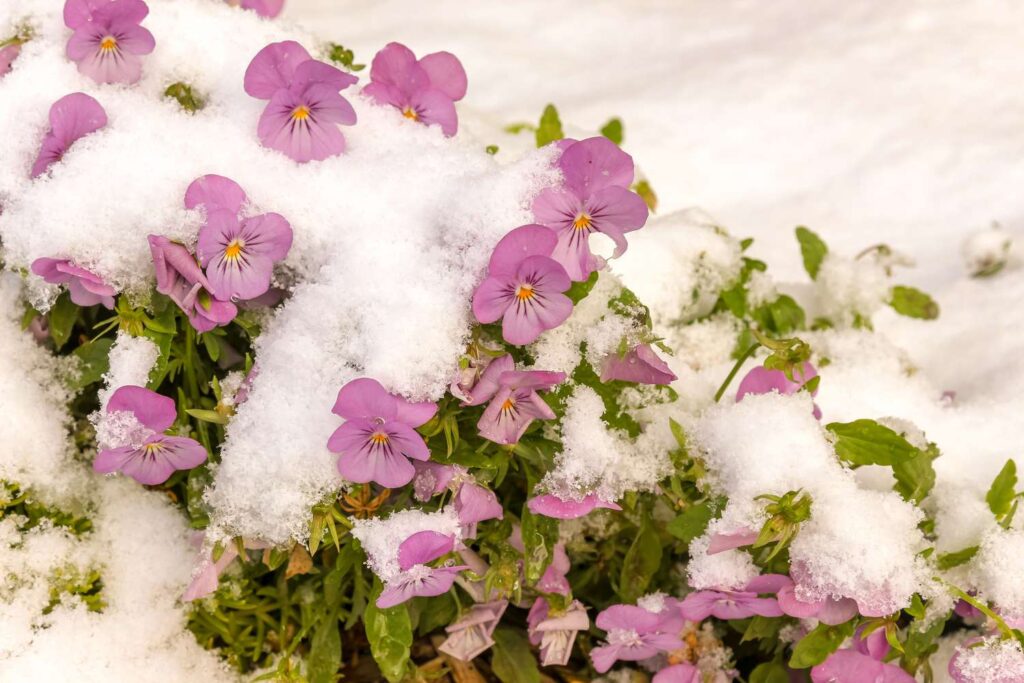
“13 Winter Flowering Plants for Inside …” from www.realsimple.com
Additionally, consider expanding your apiary with plants that bloom at different times of the year. This diversity can help bridge gaps in natural nectar availability, reducing the impact of dearth periods on your bees. For more tips on managing your apiary, explore our guide on swarm trap removal kits and their importance.
Frequently Asked Questions (FAQ)
Here are some common questions about bee nectar substitutes and their use during dearth periods:
What is the best type of nectar substitute for bees?
The best nectar substitute depends on your specific circumstances. Sugar syrup is a versatile and widely used option. A 1:1 ratio is suitable for spring, while a 2:1 ratio works well in fall. Commercial products can offer convenience and additional nutrients but choose them based on your bees’ needs and the product’s quality.
- Sugar syrup: Easy to prepare and adjust based on the season.
- Commercial substitutes: Offer convenience and added nutrients.
- Homemade alternatives: Cost-effective and customizable.
How often should I feed my bees during a dearth?
Feeding frequency varies based on colony strength and local conditions. Regular monitoring is key. If bees consume syrup quickly, increase feeding frequency. Typically, weekly feeding is adequate, but adjust based on your observations.
What are the signs that bees need more nectar?
Signs that your bees need more nectar include reduced brood production, increased aggression, and visible stress within the colony. If you notice these signs, check food stores and consider supplementing with nectar substitutes.
Additionally, if you see bees foraging persistently with little success or increased robbing behavior, it may indicate a lack of natural nectar sources.
Can feeding nectar substitutes prevent robbing?
Feeding nectar substitutes alone may not prevent robbing, but it can help reduce the likelihood by ensuring your bees have adequate food. Combine feeding with preventive measures like entrance reducers and robbing screens for the best results.
Ensure feeding practices don’t attract robbers by keeping feeders inside the hive and avoiding spills. For additional protection, consider using weatherproof hive insulation to maintain optimal conditions.
Are natural nectar sources better than substitutes?
Natural nectar sources are generally preferred as they provide a balanced diet and encourage natural foraging behavior. However, during dearth periods, nectar substitutes are essential to prevent starvation and maintain colony health.
Using substitutes wisely, alongside efforts to increase natural forage, can help your bees thrive.
Remember, the goal is to support your bees during challenging times while encouraging them to rely on natural sources whenever possible.



Leave a Reply