
Key Takeaways
- Bee robbing can devastate colonies if not addressed quickly; identify and act immediately.
- Robbing screens and entrance reducers are effective tools to prevent robbing.
- Healthy colonies with strong queens are less susceptible to robbing.
- Monitor hives regularly to spot signs of stress or weakness that could lead to robbing.
- Preventive measures are more effective than reactive ones; keep your bees healthy and secure.
Quick Solutions to Protect Your Bee Colonies
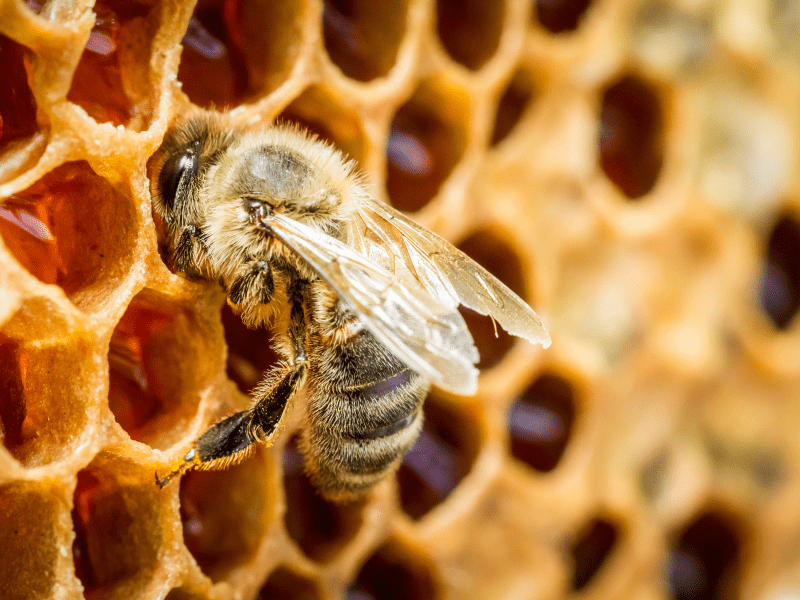
“What Are Robber Bees? | How To Spot …” from beeswiki.com
Bee robbing is a situation no beekeeper wants to face. It occurs when bees from other colonies invade a hive to steal honey. This not only stresses the invaded colony but can also lead to its collapse if not addressed promptly. Understanding how to protect your bees from robbing is crucial.
Importance of Understanding Robbing
Robbing can happen quickly and often goes unnoticed until significant damage is done. It’s essential to recognize the signs and understand why it occurs. Typically, robbing occurs when resources are scarce, and bees are desperate to gather food. This behavior can be exacerbated by weak colonies that are unable to defend themselves.
Understanding the dynamics of robbing can help you implement effective preventive measures. Strong colonies with healthy queens are better equipped to defend against robbers. Therefore, maintaining the health of your bees is a proactive way to deter robbing.
Immediate Actions During Robbing Events
If you suspect your hive is being robbed, act immediately. The first step is to close off the hive entrance to prevent further intrusion. You can use entrance reducers or even a simple cloth to temporarily block the entrance. This gives your bees a chance to regroup and defend their home.
Next, observe the hive closely. Look for aggressive bees fighting at the entrance, bees hovering around the hive without entering, or dead bees on the ground. These are tell-tale signs of robbing. Once you confirm robbing, consider using a robbing screen, which allows resident bees to exit and enter while confusing the invaders.
Why Prevention is Key
Preventing robbing is far easier than stopping it once it starts. By keeping your colonies strong and healthy, you reduce the likelihood of them becoming targets. Regular hive inspections help you spot any weaknesses early, allowing you to address them before they lead to robbing.
Feeding bees during times of scarcity should be done with care. Avoid spilling sugar syrup or honey around the hive, as this can attract robbers. Also, conduct hive inspections quickly and efficiently to minimize disturbance.
Identifying Bee Robbing
Identifying robbing can be tricky, especially for new beekeepers. It’s easy to confuse normal bee activity with robbing. However, there are distinct signs that indicate robbing is occurring.
Signs of Robbing in Bee Colonies
When robbing occurs, you might notice increased bee activity around the hive. This includes bees flying erratically, fighting at the entrance, and a general sense of chaos. Another sign is the presence of bees with tattered wings, which often results from fighting.
Check for signs of wax capping being torn open, as robbers tend to rip open cells to access honey quickly. Additionally, watch for dead bees near the entrance. A significant number of dead bees can indicate a battle between robbers and the resident colony. For more ways to protect your hives, consider using weatherproof hive insulation to help maintain a stable environment.
Difference Between Robbing and Normal Activity
Normal bee activity is usually orderly, with bees entering and exiting the hive calmly. In contrast, robbing creates a sense of frenzy. Robbers often hover around the hive, trying to find a way in. The key difference is the aggression and chaos observed during robbing.
Impact on Bee Health and Hive Stability
Robbing can severely impact a colony’s health. It can lead to the loss of vital resources, including honey and brood. This weakens the colony, making it susceptible to diseases and pests. Moreover, the stress of defending against robbers can exhaust the bees, further compromising their health. To help maintain healthy colonies, it’s crucial to implement effective management practices.
In extreme cases, robbing can lead to the death of the queen, which is catastrophic for the colony. Therefore, it’s crucial to address robbing swiftly to prevent long-term damage. For more information on maintaining a stable environment for your bees, check out this guide on essential hive stands.
Strengthening Your Colonies to Deter Robbers
“Managing Hive Robbing Behavior in Bees …” from blogs.ifas.ufl.edu
Building strong, healthy colonies is one of the best defenses against robbing. By focusing on colony health, you can create an environment that is less attractive to potential robbers.
Building a Strong Colony Base
Start by ensuring your colony has a healthy, well-laying queen. A strong queen is vital for maintaining a robust colony. Regularly check for signs of queen health, such as consistent brood patterns and the presence of larvae and eggs.
Additionally, manage the hive’s space effectively. Overcrowded hives can lead to stress and swarming, while too much space can make it difficult for bees to defend their home. Balance is key.
Importance of a Healthy Queen
The queen bee is the heart of the colony. Her health directly impacts the colony’s productivity and resilience against threats like robbing. A healthy queen ensures a consistent supply of brood, which is crucial for maintaining a strong workforce of bees to defend the hive.
Regularly check the queen’s laying pattern. A good queen will lay eggs in a tight pattern with few empty cells, indicating she is prolific and healthy. If you notice erratic patterns or a decrease in brood production, it may be time to consider requeening your hive.
- Inspect the brood pattern for consistency.
- Look for signs of queen cells, which may indicate swarming intentions.
- Requeen if the current queen shows signs of poor health or reduced laying.
By ensuring your queen is healthy, you are fortifying your colony’s defenses against robbers and promoting overall hive stability.
Managing Hive Space and Entrance Size
Managing the space within your hive is crucial. Bees need enough space to store honey and raise brood, but not so much that they can’t defend it effectively. During times of high robbing risk, such as late summer or early fall, consider reducing the entrance size. This makes it easier for guard bees to defend the hive. To learn more about protecting your hive, check out what beekeepers should know about robbing.
Effective Bee Robbing Prevention Techniques
Prevention is the best strategy when it comes to protecting your hives from robbing. Implementing preventive measures can save you from the stress and potential loss associated with a robbing event. For additional tips on maintaining healthy colonies, consider exploring varroa mite treatments that can help keep your hives strong.
Entrance Reduction Methods
One of the simplest yet most effective methods to prevent robbing is to reduce the entrance size of the hive. This limits the number of bees that can enter at once, making it easier for your bees to defend against intruders.
You can use entrance reducers or pieces of wood to narrow the opening. During peak robbing times, monitor the hive and adjust the entrance size as needed to balance ventilation and defense.
Using Robbing Screens
Robbing screens are another effective tool to protect your hives. These screens confuse robber bees, as they cannot find the entrance but allow your resident bees to navigate easily.
- Install robbing screens at the first sign of robbing activity.
- Ensure the screens are securely attached to prevent gaps.
- Monitor bee activity to ensure resident bees can still access the hive.
Robbing screens are particularly useful during seasonal transitions when robbing is more likely to occur. They provide an extra layer of security for your hives.
Besides robbing screens, consider placing hives in a location that is less visible to other bees. This reduces the chances of them becoming targets for robbing.
Avoiding Triggers: Inspections and Feedings
Certain activities can trigger robbing behavior, such as hive inspections and feedings. To minimize this risk, conduct hive inspections quickly and avoid leaving the hive open longer than necessary.
When feeding bees, take care not to spill sugar syrup or honey around the hive. Feed inside the hive or use entrance feeders to reduce the scent that can attract robbers. If you notice increased robbing activity, consider feeding in the evening when robbers are less active. Additionally, creating a nectar-rich environment can help support your bee colonies and reduce stress.
Post-Robbing Recovery Steps
Even with the best preventive measures, robbing can still occur. If your hive has been robbed, it’s important to help it recover and regain strength. Consider exploring varroa mite treatments to ensure the overall health of your colonies during recovery.
- Assess the damage and remove any dead bees from the entrance.
- Replenish resources by providing sugar syrup or pollen patties.
- Monitor the queen’s health and ensure she continues to lay brood.
Recovery can take time, but with proper care, your colony can bounce back from a robbing event. Focus on rebuilding the colony’s strength and providing a stable environment for the bees. For more information on how to protect your hive, check out what beekeepers should know about protecting their hive.
Helping a Stressed Colony Recover
When a colony has been stressed by robbing, it’s crucial to support its recovery. Provide supplemental feeding to help replenish lost resources and boost the bees’ energy levels. Ensure the hive has adequate protection from pests and diseases, which can exploit weakened colonies.
Replenishing Lost Resources
After a robbing incident, the colony may have lost significant amounts of honey and pollen. Providing sugar syrup and pollen patties can help the bees rebuild their stores. Be sure to place the food inside the hive to prevent attracting more robbers.
Guard Bee Reinforcement
Guard bees play a crucial role in defending the hive. If your colony’s guard bee population has been depleted, consider combining it with a stronger colony temporarily. This can provide the additional defense needed while the original colony recovers. Additionally, understanding bee forage plants can help create a nectar-rich environment that supports the recovery of the guard bee population.
Regularly monitor the hive’s progress and adjust your strategy as needed. Consider exploring Varroa mite treatments to ensure your colony can return to full strength and thrive once again.
Long-Term Strategies for Avoiding Robbing
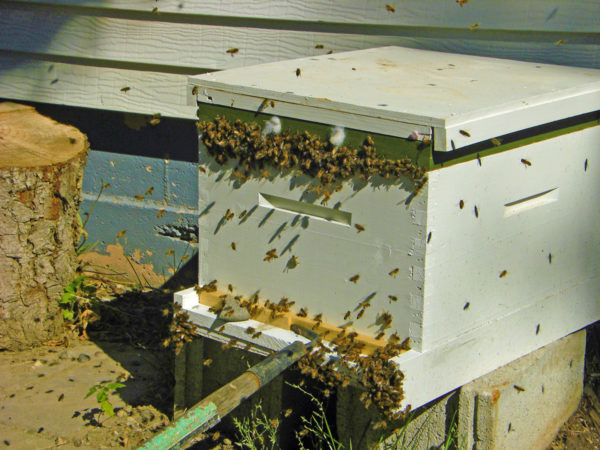
“How to recognize robbing bees and ways …” from www.honeybeesuite.com
To protect your bee colonies from robbing in the long term, you need to implement consistent strategies that focus on colony health and environmental management. These strategies help maintain a strong defense against potential robbers and ensure the well-being of your bees. For more information on protecting your hive, you can explore what beekeepers should know about protecting their hive.
Consistent Monitoring and Care
Regularly monitoring your hives is crucial. By conducting frequent inspections, you can catch early signs of stress or weakness that might attract robbers. Check for healthy brood patterns, adequate food stores, and overall colony health. Address any issues promptly to keep your colony strong and resilient.
Besides inspections, ensure your bees have access to clean water and are protected from extreme weather conditions. A healthy, well-cared-for colony is less likely to fall victim to robbing. For more tips on protecting your hives, consider using the best weatherproof hive insulation for temperature control.
Creating a Robber-Free Environment
Location plays a significant role in preventing robbing. Position your hives in a secluded area, away from other bee colonies, to reduce the risk of them becoming targets. Additionally, maintaining a clean environment around the hives minimizes scents that could attract robbers. For more insights on protecting your hives, learn what beekeepers should know about robbing.
Consider using natural barriers, such as hedges or fences, to shield your hives from view. This added layer of protection can deter robbers from discovering your hives in the first place.
Season-Specific Precautions
Robbing tends to occur more frequently during certain seasons, such as late summer and early fall, when natural food sources are scarce. During these times, take extra precautions to protect your hives. Reduce entrance sizes and use robbing screens to bolster defenses.
Be mindful of weather changes that can affect food availability and adjust your feeding strategies accordingly. By staying proactive, you can prevent robbing from becoming a recurring issue.
Frequently Asked Questions (FAQ)
Here are some common questions and answers to help you better understand bee robbing and how to protect your colonies.
How can I tell if my hive is being robbed?
Signs of robbing include increased bee activity around the hive, aggressive behavior, dead bees near the entrance, and torn wax cappings. If you notice these signs, act quickly to prevent further damage. Additionally, ensuring proper hive insulation can help maintain a stable environment, making it less appealing to robbers.
What should I do immediately if I notice robbing?
If you suspect robbing, close off the hive entrance using an entrance reducer or cloth. Monitor the situation closely and consider installing a robbing screen to protect your colony.
Why does robbing occur and how can it be prevented?
Robbing occurs when bees from other colonies invade a hive to steal honey, often due to a lack of natural resources. Prevention involves maintaining strong, healthy colonies, reducing hive entrances, and avoiding triggers like spilled syrup during feedings.
- Keep colonies healthy with a strong queen.
- Use entrance reducers and robbing screens.
- Avoid spilling food around the hive.
By implementing these preventive measures, you can reduce the likelihood of robbing. Additionally, creating a nectar-rich environment can support healthy bee colonies and deter robbing behavior.
What is the best way to strengthen my bee colony?
Focus on maintaining a healthy queen, providing adequate nutrition, and managing hive space effectively. Regular inspections and prompt action on any issues also contribute to a strong colony.
How do robbing screens work and are they effective?
Robbing screens are devices placed over the hive entrance to confuse robber bees. They allow resident bees to enter and exit while preventing intruders from finding the entrance. Robbing screens are effective in reducing robbing incidents, especially during high-risk seasons.




Leave a Reply