
Key Insights
- Varroa mites are a major threat to honey bee populations, impacting their health and productivity.
- Traditional chemical treatments for varroa mites can lead to resistance and harm bee colonies.
- Organic methods, such as using thymol and oxalic acid, provide effective and safer alternatives.
- Regular monitoring and combining various treatments can enhance control of mite infestations.
- Safe application practices ensure the health of both bees and the environment.
Understanding Organic Varroa Mite Treatments
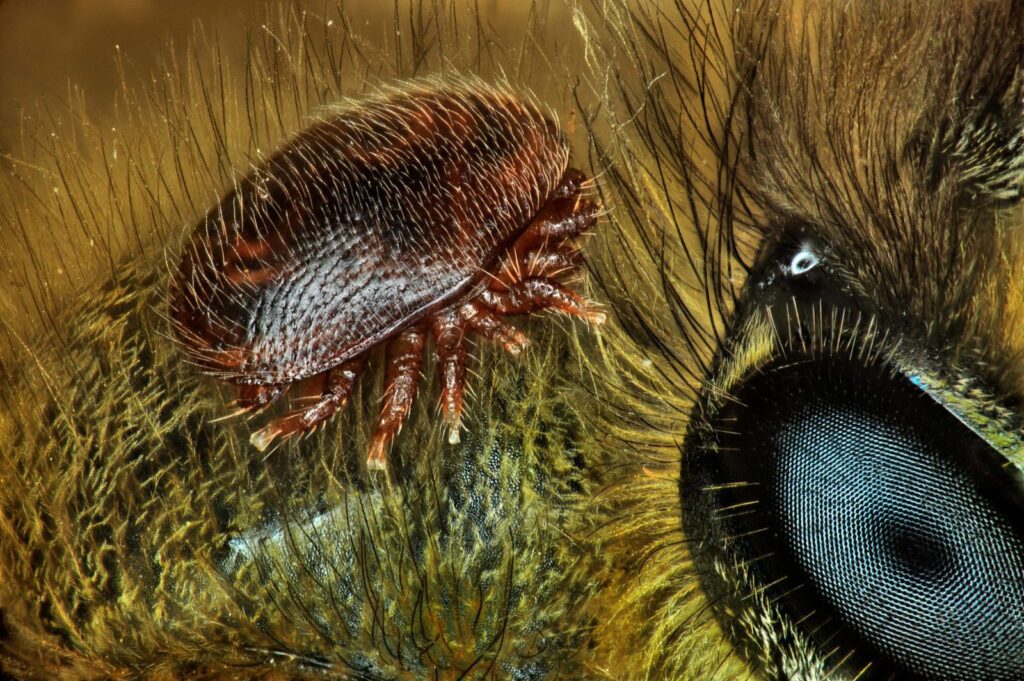
“Varroa destructor (mite) on the back of …” from www.nikonsmallworld.com
Varroa mites, known scientifically as Varroa destructor, are tiny parasites that have become one of the most significant threats to honey bee populations worldwide. These mites attach themselves to bees and feed on their bodily fluids, weakening the bees and making them more susceptible to diseases. Because of this, controlling varroa mite populations is crucial for maintaining healthy bee colonies and ensuring the continued pollination of crops.
What are Varroa Mites and Why They Matter
Varroa mites originated in Asia but have since spread to almost every part of the world where bees are kept. They reproduce rapidly and can quickly overrun a bee colony if not managed properly. The mites not only feed on bees but also transmit viruses, which can lead to colony collapse. Therefore, understanding and controlling varroa mites is essential for beekeepers aiming to maintain strong and healthy hives.
The Challenge with Traditional Chemical Treatments
For many years, beekeepers have relied on chemical treatments to manage varroa mite infestations. However, these treatments come with significant drawbacks. Most importantly, mites can develop resistance to chemical pesticides, making them less effective over time. Additionally, these chemicals can have harmful effects on bees and contaminate honey, posing a risk to both the bees and humans consuming their products.
- Chemical treatments may lead to pesticide-resistant mite populations.
- These treatments can harm bees, affecting their health and productivity.
- Contaminated honey poses a risk to consumers.
Benefits of Organic Methods
Organic methods for controlling varroa mites offer a safer and more sustainable approach. These methods utilize natural substances and practices that are less likely to harm bees or lead to pesticide resistance. By using organic treatments, beekeepers can maintain the health of their colonies while also producing honey that is free from chemical residues. Moreover, organic methods can be integrated into a broader pest management strategy, ensuring long-term success in controlling mite populations.
Natural Solutions for Varroa Mite Control
Several natural solutions have proven effective in controlling varroa mite populations. These solutions include the use of essential oils, organic acids, and other natural substances that target mites without harming bees. By understanding and applying these treatments, beekeepers can manage mite infestations while promoting the health and sustainability of their colonies. For more information on effective treatments, check out best varroa mite treatments.
Thymol: A Powerful Essential Oil

“What is Thymol? | Cleaning Products …” from www.seventhgeneration.com
Thymol, derived from the thyme plant, is one of the most popular essential oils used for varroa mite control. This natural compound has been shown to effectively reduce mite populations when applied correctly. Thymol works by disrupting the mites’ respiratory systems, ultimately leading to their death.
“Thymol treatment can effectively control mites on adult bees, but it cannot penetrate the cell cappings, so it does not control mites in brood cells.”
When using thymol, it’s important to consider environmental factors such as temperature and humidity, as these can affect its efficacy. Thymol is typically applied in late summer or early fall, when temperatures are warm enough to facilitate its evaporation but not so hot as to stress the bees.
In the next sections, we will explore additional organic treatments, such as oxalic acid and powdered sugar dusting, that offer beekeepers effective options for managing varroa mites.
Oxalic Acid Treatment
Oxalic acid is another organic treatment that has gained popularity among beekeepers for its effectiveness in controlling varroa mites. This naturally occurring compound can be applied in two main ways: as a vapor or a dribble solution. When used correctly, oxalic acid can significantly reduce mite populations without causing harm to the bees. For more information on managing varroa mites, explore resources available from Iowa State University Extension and Outreach.
The vaporization method involves heating oxalic acid crystals to produce a vapor that permeates the hive, targeting mites on adult bees. This method is particularly effective during the broodless period in late fall or early winter, when there are fewer places for mites to hide. On the other hand, the dribble method involves mixing oxalic acid with sugar syrup and applying it directly to the bees. This method is also best used when there is little to no brood in the hive.
“Oxalic acid has many proponents for its use. It has proven to be quite efficacious at cleansing adult bees of mites.”
Implementing Organic Treatments Effectively
- Monitor mite levels regularly to determine the need for treatment.
- Use a combination of organic treatments for improved efficacy.
- Implement sustainable beekeeping practices to support colony health.
To successfully control varroa mite populations, it’s essential to implement organic treatments effectively. This involves understanding the life cycle of the mites, choosing the right treatment methods, and applying them at the optimal times. Regular monitoring of mite levels is crucial for determining when and how to apply treatments, ensuring that they are both effective and safe for the bees. For more detailed strategies, you can explore methods to control varroa mites through integrated pest management.
Combining multiple organic treatments can enhance their overall effectiveness. For example, using thymol in conjunction with oxalic acid can target mites at different stages of their life cycle, reducing the chances of resistance and improving control. By integrating these treatments into a comprehensive pest management strategy, beekeepers can maintain healthy colonies while minimizing the impact of varroa mites.
Monitoring Mite Levels Regularly
Regular monitoring of mite levels is a key component of effective varroa mite management. By keeping track of mite populations, beekeepers can determine the severity of infestations and decide when to apply treatments. This proactive approach helps prevent the mites from reaching damaging levels, ensuring the health and productivity of the bee colony.
One common method for monitoring mite levels is the sugar shake test. This involves collecting a sample of bees, dusting them with powdered sugar, and counting the number of mites that fall off. Another method is the alcohol wash, which uses alcohol to dislodge mites from bees for counting. Both methods provide valuable insights into mite populations and help guide treatment decisions.
Combining Multiple Methods for Better Efficacy
Using a combination of organic treatments can enhance the overall efficacy of varroa mite control. By targeting mites at different stages of their life cycle and using multiple modes of action, beekeepers can reduce the risk of resistance and improve treatment outcomes. For instance, applying thymol in late summer followed by oxalic acid vaporization in the winter can provide comprehensive control of mite populations.
Sustainable Beekeeping Practices
Incorporating sustainable beekeeping practices is essential for maintaining healthy bee colonies and minimizing the impact of varroa mites. These practices include maintaining strong, diverse bee populations, providing adequate nutrition, and ensuring proper hive management. By fostering a resilient and thriving bee colony, beekeepers can reduce the likelihood of mite infestations and promote the overall health of their hives. For year-round bee nutrition, consider using pollen patty recipes to provide adequate nutrition.
- Maintain strong and diverse bee populations.
- Provide adequate nutrition through diverse forage sources.
- Ensure proper hive management and hygiene.
In the next sections, we will discuss safety and precautionary measures that beekeepers should consider when applying organic treatments, ensuring both bee and environmental health. For more information on maintaining healthy colonies, explore our guide on best varroa mite treatments.
Final Thoughts on Organic Varroa Mite Control

“Varroa destructor treatment options in …” from cms.ctahr.hawaii.edu
Organic varroa mite control methods offer beekeepers a sustainable and effective way to manage mite populations while ensuring the health of their bee colonies. By choosing natural treatments like thymol and oxalic acid, beekeepers can reduce the risk of pesticide resistance and avoid harmful chemical residues in their honey. The journey to effective varroa mite control requires understanding, patience, and a commitment to sustainable practices.
The Path to Healthier Bee Populations
Healthy bee populations are the cornerstone of successful beekeeping and agriculture. Organic varroa mite control plays a crucial role in maintaining the vitality of bee colonies, which in turn supports pollination and food production. By implementing these natural methods, beekeepers contribute to a more sustainable and environmentally friendly approach to agriculture.
Beyond just treatment, fostering a resilient bee population involves regular monitoring, diversified forage, and proper hive management. These practices work hand in hand with organic treatments to create an ecosystem where bees can thrive despite the presence of varroa mites.
Continuous Learning and Adaptation
In the ever-evolving world of beekeeping, continuous learning and adaptation are key. New research and developments in organic treatments are constantly emerging, offering beekeepers better tools and strategies for managing varroa mites. Staying informed about these advancements allows beekeepers to make educated decisions and refine their pest management approaches.
Frequently Asked Questions
As we wrap up our discussion on organic varroa mite control, let’s address some common questions beekeepers may have about these methods.
What makes organic treatments better than chemical ones?
Organic treatments are favored over chemical ones because they are less likely to cause resistance in mite populations and do not leave harmful residues in honey. They also support the health of the bee colony by minimizing exposure to toxic substances, which can affect bees’ health and productivity.
Furthermore, organic methods align with sustainable agriculture practices, promoting a healthier environment for both bees and humans. For more information on managing bee health, consider exploring managing Varroa mites in honey bee colonies.
How often should I apply these treatments?
The frequency of applying organic treatments depends on several factors, including the severity of the mite infestation, the time of year, and the specific treatment being used. For example, thymol is typically applied in late summer or early fall, while oxalic acid vaporization is best during the broodless period in winter.
Regular monitoring of mite levels is essential to determine the need for treatment and to ensure that applications are timely and effective.
Can organic treatments affect honey production?
When applied correctly, organic treatments should not negatively affect honey production. In fact, by maintaining healthy bee colonies, these treatments can support consistent and high-quality honey yields. It’s important to follow application guidelines and avoid treatments during honey flow periods to ensure the purity of the honey.
Are there specific times of the year for applying treatments?
Yes, timing is crucial when applying organic varroa mite treatments. Thymol is generally used in late summer or early fall, while oxalic acid is applied during the winter when the colony is broodless. Understanding the life cycle of the mites and the bees is essential for choosing the right time for treatment.
Applying treatments at the optimal time helps maximize their effectiveness and minimizes any potential stress on the bees.
What signs indicate successful mite control in a colony?
Successful mite control is indicated by a noticeable reduction in mite populations, which can be monitored using methods like the sugar shake test or alcohol wash. A healthy bee colony with low mite levels will show signs of vigor, such as active foraging, brood production, and minimal signs of disease.
Regular monitoring and observation of the bee colony’s health and behavior are essential for assessing the success of mite control efforts. Beekeepers should look for signs of reduced mite infestations and improved colony health as indicators of effective treatment.
By staying informed and proactive, beekeepers can achieve successful varroa mite control, ensuring the health and productivity of their bee colonies for years to come.




Leave a Reply