Key Takeaways
-
Mason bees are excellent pollinators and easy to attract to your garden with the right bee house.
-
Choose a bee house made from natural, untreated wood and designed with bee health in mind.
-
Place the bee house facing south to southeast, at a height of 6 to 7 feet, to get morning sun exposure.
-
Provide a variety of native plants, water, and mud to create a hospitable environment for mason bees.
-
Regular maintenance of the bee house is crucial to prevent disease and parasites.
Welcoming Mason Bees to Your Garden
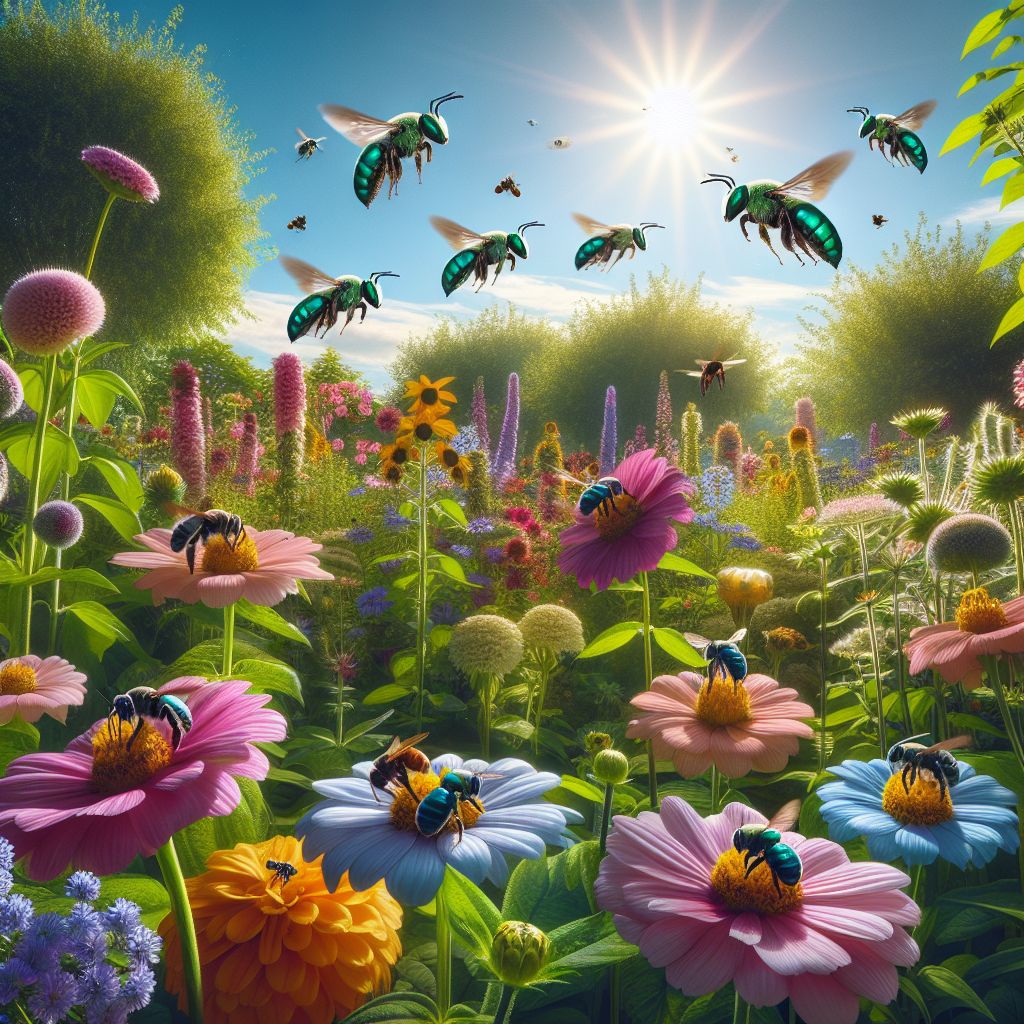
Mason bees might be small, but their impact on the environment is anything but. Unlike their honey-making cousins, mason bees are solitary creatures that prefer to nest in small cavities. They’re also some of the most efficient pollinators out there. So, if you’re looking to give your garden a boost and support local ecosystems, setting up a mason bee house is a fantastic way to do it.
Mason Bee Basics: Why They Matter
Let’s start with a simple fact: Mason bees are incredible pollinators. A single mason bee can visit and pollinate over a thousand flowers in a day. That’s a lot of heavy lifting for such a tiny insect. But there’s more to these bees than their work ethic. They’re also non-aggressive, which makes them perfect for gardens in community spaces or homes with kids and pets.
Most importantly, by providing a home for mason bees, you’re contributing to the preservation of species that are facing challenges due to habitat loss and environmental changes. It’s a small step that can have a big impact on the health of our planet.
A Quick Guide to Different Mason Bee Species
While there are over a hundred species of mason bees in North America, the blue orchard bee (Osmia lignaria) is one of the most common and easiest to attract to your garden. These bees are known for their metallic blue hue and their preference for fruit tree blossoms. But regardless of the species, all mason bees have similar needs when it comes to their living environment.
Choosing the Right Mason Bee House
When it comes to selecting a mason bee house, think like a bee. These little pollinators need a safe, cozy space to lay their eggs and protect their larvae from predators and the elements. Here’s what you need to keep in mind:
Materials Matter: What to Look For
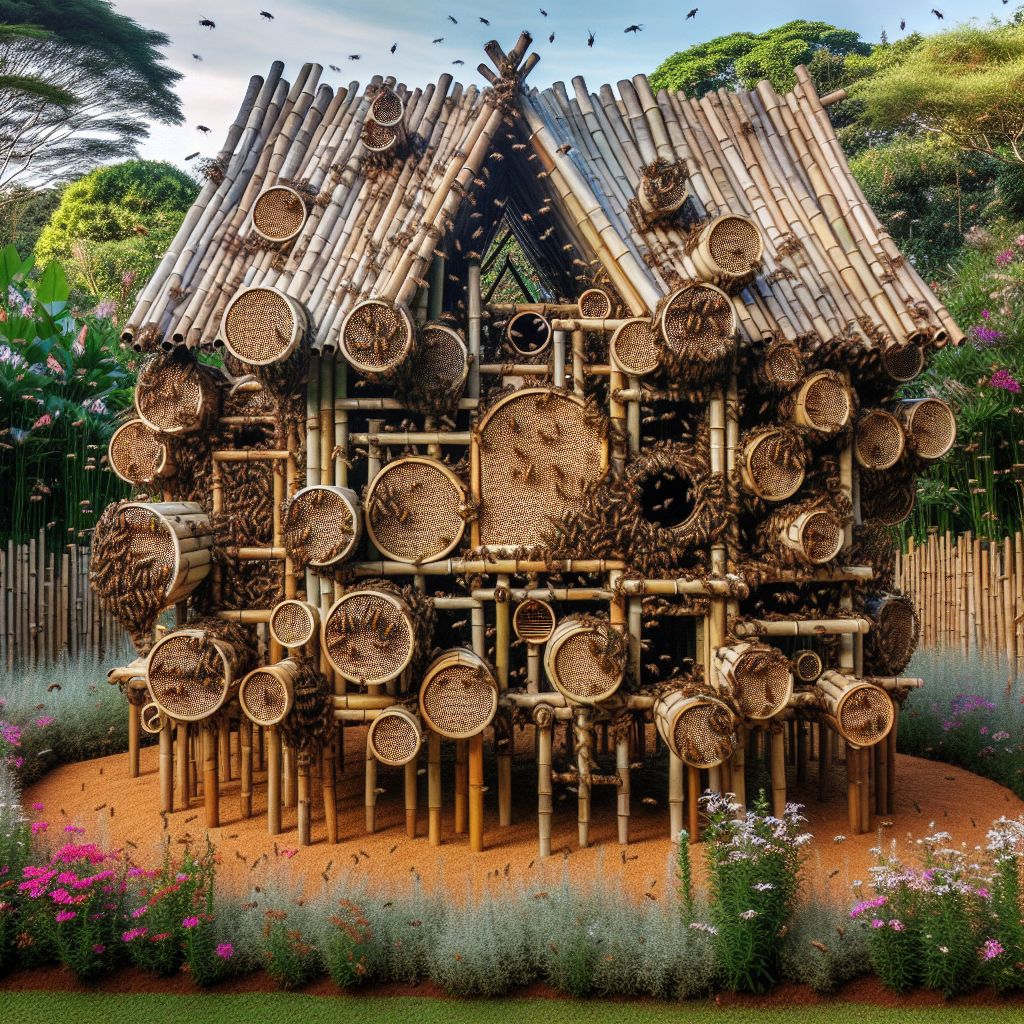
Bees are natural materials experts, so your bee house should be too. Opt for houses made from untreated wood, bamboo, or reeds. These materials mimic the bees’ natural nesting sites and are safe for them to inhabit. Steer clear of plastic or metal houses; these can create condensation and are not as breathable as natural materials, which can lead to mold and mite problems.
Design Features for Bee Comfort and Protection
The design of your bee house can make a big difference. Look for features like:
-
Overhanging roofs: These provide shelter from rain and prevent the wood from rotting.
-
Removable tubes or blocks: This is crucial for cleaning out the house after the bees have finished nesting.
-
Depth of tubes: Tubes should be at least 5 to 6 inches deep to allow for a proper number of eggs and pollen storage.
Remember, the goal is to create a safe and inviting space for bees to call home.
Placing Your Mason Bee House
Once you’ve chosen the perfect bee house, it’s time to hang it up. But not just anywhere will do. These are the prime real estate rules for mason bee houses:
Direction and Height for Optimal Bee Happiness
Bees love the morning sun. It warms them up and gets them going on their pollinating way. Therefore, place your bee house facing south to southeast. As for height, aim for 6 to 7 feet off the ground. This is high enough to keep out most curious critters and low enough for you to enjoy watching the bees at work.
Additionally, ensure that the bee house is mounted securely; you don’t want it swinging in the wind. A stable house is a happy house for mason bees.
Protecting Your Bee House from the Elements
Even though mason bees are hardy, they still need protection from extreme weather. If possible, place the bee house under an eave or another form of cover to shield it from harsh rain and snow. This little bit of TLC will extend the life of your bee house and the bees that inhabit it.
Creating a Bee-Friendly Habitat
Now that you have the bee house sorted, let’s turn your garden into a bee paradise. Mason bees need more than just a place to stay; they need a proper habitat to thrive. This includes a variety of food sources and materials for nesting.
Selecting the Right Plants for Mason Bees

Bees aren’t picky eaters, but they do have their favorites. Planting native flowers and shrubs that bloom at different times of the year ensures that your mason bees always have something to munch on. Here are a few bee favorites:
-
fruit trees like apple, cherry, and plum are top picks for early spring.
-
Flowering herbs such as lavender, rosemary, and thyme are not only great for bees but also for your kitchen.
-
Wildflowers like asters, sunflowers, and black-eyed Susans keep bees busy in the summer and fall.

By planting a mix of these, you’ll provide a buffet that’s both nutritious and delicious for the bees. For more information on creating a bee-friendly habitat, check out these unique garden designs.
Importance of Water and Mud Sources
Just like us, bees get thirsty. A shallow water source with pebbles or twigs for bees to land on will keep them hydrated. And don’t forget the mud! Mason bees use mud to build walls between their eggs and to seal off their nests. A patch of bare, damp soil will work just fine.
Maintaining and Monitoring Your Mason Bee House
Caring for your mason bee house is essential to prevent diseases and parasites that can harm the bees. Regular check-ups will keep your bee buddies safe and sound.
When and How to Clean Your Bee House
Come fall, it’s time for housekeeping. Here’s what to do: consult our essential bee house maintenance checklist for best practices.
-
Remove the nesting tubes or blocks and open them up to harvest the cocoons.
-
Clean out any debris or mites you find inside.
-
Wash the cocoons in a mild bleach solution to kill any pathogens.
-
Store the cocoons in a cool, dry place until spring.
By doing this, you’re ensuring that the next generation of bees has a clean start.
But it’s not just about cleaning. Throughout the bee season, keep an eye on the bee house. Make sure it’s dry and secure. If you notice any signs of wear or damage, it’s time for a little DIY to fix it up.
Watch for Parasites and Predators
It’s a tough world out there for a bee. Parasites like mites can sneak into the bee house, and predators like birds can peck away at the larvae. To protect your bees:
Install a guard at the entrance of the tubes to deter predators.
Regularly inspect the house for mites and clean it as needed.
If you notice a significant problem, consider relocating the bee house to a safer spot.
Extending Your Impact Beyond the Bee House
Attracting mason bees to your garden is a great start, but why stop there? You can amplify your impact by getting involved in broader conservation efforts.
Participating in Community Conservation Efforts
Join local gardening clubs or conservation groups to learn more about protecting pollinators. Share your knowledge about mason bees with neighbors and friends. The more habitats we create, the better for bees and biodiversity as a whole.
Educational Opportunities and Sharing Your Experience
Teaching others about the importance of bees is incredibly rewarding. Consider hosting a workshop or creating a blog to share your journey with mason bees. Schools are always looking for engaging environmental projects, so reach out and see how you can contribute.
Remember, every little action counts. By creating a welcoming space for mason bees and spreading the word, you’re playing a vital role in the health of our ecosystems. So, get out there, get your hands dirty, and let’s make the world a buzzier place!
Frequently Asked Questions
When is the Best Time to Put Out a Mason Bee House?
The best time to put out a mason bee house is in early spring, just before the flowers start to bloom. Mason bees are early season pollinators, and having the house ready when they emerge from hibernation will give them a place to start their work right away. This timing also coincides with the bees’ natural reproductive cycle, so they can immediately begin to lay eggs in their new home.
How Many Mason Bee Houses Should I Install?
One mason bee house is often enough for a small garden, but if you have a larger space or want to ensure thorough pollination for fruit trees or extensive vegetable gardens, you can install multiple houses. Space them out around your garden to give bees plenty of options and to maximize pollination coverage.
Can I Use Treated Wood for My Mason Bee House?
It’s best to avoid treated wood when building or buying a mason bee house. The chemicals in treated wood can be harmful to bees and other beneficial insects. Instead, opt for natural, untreated woods like cedar or pine, which are durable and safe for bees. If you’re using bamboo or reeds, ensure they’re free of pesticides and other chemicals as well.
Remember, your goal is to create a safe and toxin-free environment for these helpful pollinators.
What to Do if You Don’t See Bees Using Your Bee House?
If you’ve set up your bee house and you’re not seeing any mason bees, don’t worry just yet. There are a few things you can check:
-
Ensure the house is in the correct position, facing south to southeast and protected from the elements.
-
Check if there’s a variety of flowering plants nearby to provide food for the bees.
-
Make sure there’s a source of mud and water, which bees need for nesting and hydration.
If all these elements are in place, give it some time. Bees are wild creatures and they’ll come when they’re ready. If you’re still not seeing activity after a season, consider moving the bee house to a different location or reaching out to local beekeeping groups for advice.
Is It Necessary to Buy Bees, or Will They Come Naturally?
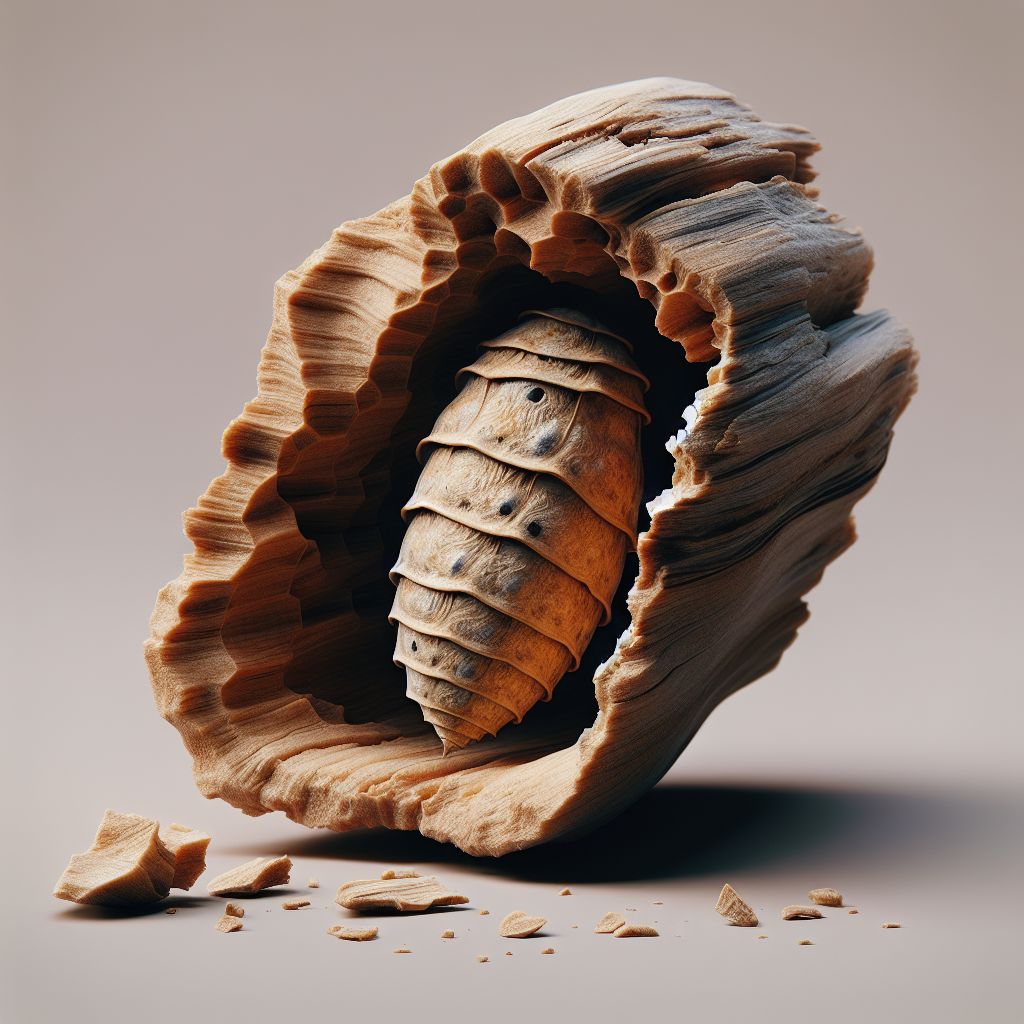
Mason bees are native to most areas and will typically find your bee house on their own, especially if you’ve created a welcoming habitat. However, if you want to jump-start your bee population, you can purchase mason bee cocoons from a reputable supplier. Just be sure to release them in early spring when the temperature is consistently above freezing and flowers are beginning to bloom.
Whether you buy bees or wait for them to arrive naturally, remember that patience is key. With the right conditions, you’ll soon have a buzzing garden full of these efficient little pollinators.