Key Takeaways
Historical weather data aids in predicting and adapting to unusual weather patterns.
Documenting nectar and pollen sources ensures bees have adequate food supplies.
Tracking queen status and bee behavior improves hive health management.
Using a detailed calendar enhances planning and preparation for beekeeping tasks.
Beekeeper Seasonality Calendar: Observation Hive Chart Templates
“Is Beekeeping Right For You? – PerfectBee” from www.perfectbee.com
Introduction to Seasonal Beekeeping
Seasonal beekeeping is all about timing and observation. By understanding the natural cycles and seasonal changes, beekeepers can better manage their hives and ensure their bees remain healthy and productive throughout the year. One of the best tools for achieving this is a beekeeper seasonality calendar, complemented by observation hive chart templates.
The Importance of a Beekeeper Seasonality Calendar
A beekeeping calendar is more than just a schedule; it’s a comprehensive guide that helps beekeepers stay organized and prepared for the tasks that lie ahead. It allows for the documentation of various factors such as weather conditions, nectar flow, and hive health. By recording these observations, beekeepers can anticipate challenges and make informed decisions to support their colonies.
Tracking Weather and Seasonal Conditions
Weather plays a crucial role in beekeeping. From the temperature to the amount of rainfall, these factors can significantly impact bee behavior and hive health. Therefore, tracking weather and seasonal conditions is a key component of a beekeeping calendar.
Using Historical Weather Data
One of the first steps in creating a beekeeping calendar is to gather historical weather data. This data can provide insights into patterns and trends that can help predict future conditions. Websites like Weather Underground offer historical weather information that can be invaluable for beekeepers.
“Using data from sources like Weather Underground, the calendar aids in forecasting and adapting to unusual weather, which significantly affects beekeeping.”
Recording Unusual Weather Patterns
Besides historical data, it’s important to record any unusual weather patterns as they occur. These anomalies can have a significant impact on bee activity and hive health. For instance, an unexpected cold snap in spring can affect the availability of nectar and pollen sources.
Keep a detailed log of these unusual patterns, noting the dates and specific conditions. This information will be invaluable for future reference and planning.
Nectar and Pollen Sources
Nectar and pollen are essential for the survival and productivity of bee colonies. Knowing when and where these resources are available helps beekeepers ensure their bees have adequate food supplies throughout the year.
Identifying Major Nectar Sources
“Flower Gardening: How To Start A Flower …” from www.gardeningknowhow.com
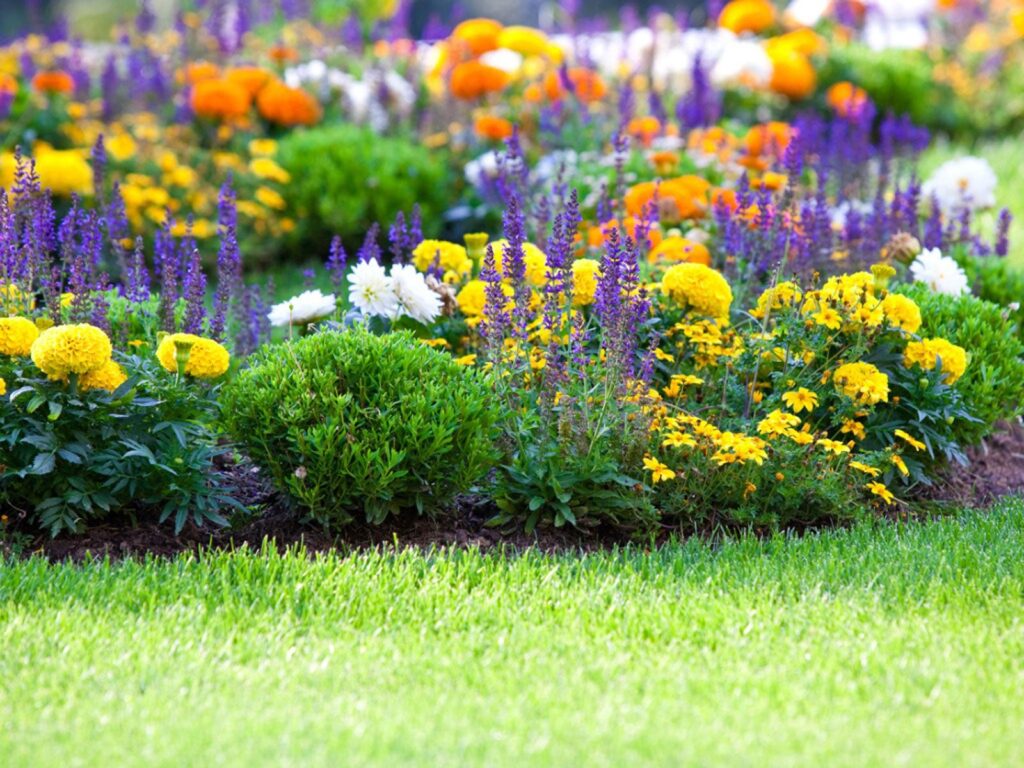
Different plants bloom at different times of the year, providing varying amounts of nectar and pollen. Identifying the major nectar sources in your area and noting their blooming periods is crucial for effective hive management.
Here are some common nectar sources:
Spring: Dandelions, fruit trees, and clover
Summer: Sunflowers, lavender, and wildflowers
Fall: Goldenrod, asters, and ivy
Seasonal Pollen Sources
Just like nectar, pollen sources vary by season. Recording these sources and their blooming periods helps ensure your bees have access to the nutrients they need year-round.
Pay attention to the colors of the pollen collected by your bees, as this can indicate the types of plants they are visiting. Use pollen color charts for identification and documentation.
Monitoring Nectar Flow Periods
Nectar flow periods are critical times for beekeepers. During these periods, bees collect large amounts of nectar, which they convert into honey. Monitoring the start and end of these flows helps in planning honey harvests and managing hive space.
“Observations like new white wax on frames inform key decisions, like when to introduce new frames for comb building.”
Choosing Plants for Nectar Dearth
Nectar dearth periods are times when natural nectar sources are scarce. During these times, it’s essential to provide alternative food sources for your bees to ensure their survival and productivity. Choosing the right plants can make a significant difference. Opt for plants that bloom during these dearth periods to provide continuous nectar flow.
Here are some plants that are excellent choices for nectar dearth periods:
Borage: Blooms from early summer to fall, providing a consistent nectar source.
Buckwheat: Quick to flower and a favorite among bees, blooming in just a few weeks.
Goldenrod: Blooms in late summer and fall, providing much-needed nectar before winter.
Mint: Blooms throughout the summer and is easy to grow.
Observing Bee Behavior During Dearth
During nectar dearth periods, bee behavior changes noticeably. They may become more aggressive as they compete for limited resources. It’s crucial to observe and document these behaviors to manage your hives effectively.
Here are some key behaviors to watch for in urban beekeeping communities:
Increased robbing: Bees may attempt to steal honey from other hives. Use entrance reducers to minimize this risk.
Foraging changes: Bees may travel further distances in search of food, increasing their exposure to pesticides and predators.
Reduced brood rearing: The queen may lay fewer eggs, and the colony might reduce its population to conserve resources.

By documenting these behaviors, you can take proactive steps to support your bees during challenging times.
“Make observations during nectar dearth periods and note which plants bees visit, aiding in strategic planting around the apiary.”
Colony Inspection Records
Regular colony inspections are vital for maintaining hive health and productivity. By keeping detailed records, you can track changes over time and identify potential issues before they become significant problems. For more tips on urban beekeeping, check out this backyard hive documentation guide.
Documenting Queen Status
The queen bee is the heart of the hive. Her health and productivity directly impact the colony’s overall well-being. During inspections, check for the presence of the queen and signs of her activity, such as eggs and brood patterns.
If you find queen cells, it could indicate that the colony is preparing to swarm or replace a failing queen. Document these findings to make informed decisions about hive management.
Food Storage and Consumption Records
Monitoring food storage and consumption is crucial, especially during periods of nectar dearth or adverse weather conditions. Check the honey and pollen stores in each hive and note any significant changes. For more detailed tracking, consider using a beekeeping log journal.
Here are some tips for effective food storage management:
Ensure there are sufficient honey stores for winter survival.
Supplement with sugar syrup or pollen patties if natural food sources are low.
Record the amount of food consumed to predict future needs.
Tracking Bee Behavior
Observing and recording bee behavior can provide valuable insights into the health and status of your colony. Look for signs of stress, such as increased aggression or unusual foraging patterns. Note any changes in bee activity, such as reduced flight during warm weather, which could indicate illness or pest infestations.
By keeping detailed records of these observations, you can quickly identify and address issues, ensuring your bees remain healthy and productive. For a useful tool, consider using this beekeeping log journal.
Implementing the Calendar and Chart Templates
Now that you understand the importance of a beekeeping calendar and observation hive chart templates, it’s time to implement them in your beekeeping practice. This section will guide you through setting up your calendar and using the templates effectively.
Setting Up Your Calendar
Start by creating a calendar that covers the entire year. You can use a physical calendar or a digital one, depending on your preference. Divide the calendar into months and mark important dates, such as the beginning of nectar flows, expected weather changes, and planned hive inspections.
Include sections for notes and observations. This will allow you to document any significant events or changes as they occur. Keeping historical calendars for reference can also be incredibly useful for future planning.
Using Observation Hive Chart Templates
“Osmia bicornis – Facts, Diet, Habitat …” from animalia.bio
Observation hive chart templates are designed to help you record detailed information about your hives. These templates typically include sections for:
Weather conditions
Nectar and pollen sources
Queen status
Food storage and consumption
Bee behavior
Fill out these templates during each hive inspection. Over time, you’ll build a comprehensive record that will help you make informed decisions and improve your beekeeping practices.
Benefits of a Seasonality Calendar
Using a seasonality calendar offers numerous benefits for beekeepers. It helps you stay organized, anticipate challenges, and ensure the health and productivity of your hives.
Year-Round Planning and Preparation
With a detailed calendar, you can plan and prepare for each season’s specific needs. This proactive approach reduces the risk of unexpected issues and ensures your bees have the resources they need to thrive. For more insights on urban beekeeping, check out this guide on urban beekeeping.
For example, by noting the blooming periods of local plants, you can ensure your bees have access to adequate nectar and pollen sources throughout the year. For more tips, check out this guide on urban bee forage and floral varieties.
Improved Hive Management
Regularly documenting hive conditions and bee behavior allows you to identify patterns and trends. This information is invaluable for improving your hive management practices.
By understanding the factors that influence hive health and productivity, you can make informed decisions that support the well-being of your bees.
Final Thoughts
Incorporating a beekeeping seasonality calendar and observation hive chart templates into your beekeeping practice can significantly enhance your ability to manage and support your bee colonies. By meticulously tracking weather conditions, nectar and pollen sources, and hive health, you can make informed decisions that ensure the well-being and productivity of your bees year-round.
Whether you’re a seasoned beekeeper or just starting, these tools provide a structured approach to hive management, helping you stay organized and prepared for the challenges and opportunities that each season brings.
Building a Sustainable Beekeeping Practice
Creating a sustainable beekeeping practice involves more than just maintaining healthy hives; it’s about fostering an environment where bees can thrive and continue to play their vital role in our ecosystems. By using a seasonality calendar and observation hive chart templates, you are taking a significant step towards achieving this goal.
Remember, beekeeping is a journey of continuous learning and adaptation. Keep observing, recording, and adjusting your practices based on the insights you gain. Your dedication and attention to detail will not only benefit your bees but also contribute to the broader efforts of supporting pollinators and preserving our natural world.
“By meticulously following these steps, the New England Beekeeping Calendar can significantly enhance beekeeping management, keeping beekeepers organized and prepared throughout the year.”
Frequently Asked Questions (FAQ)
What is an observation hive chart template?
How do I start using a beekeeping calendar?
Why is recording weather patterns important?
What plants are best during nectar dearth?
How often should I inspect my hives?
Here are some answers to common questions that can help you get started with your beekeeping calendar and observation hive chart templates.
What is an observation hive chart template?
An observation hive chart template is a structured form that beekeepers use to record detailed information about their hives during inspections. It typically includes sections for weather conditions, nectar and pollen sources, queen status, food storage and consumption, and bee behavior. By using these templates, beekeepers can keep comprehensive records that aid in hive management and decision-making.
How do I start using a beekeeping calendar?
To start using a beekeeping calendar, follow these steps:
Choose a calendar format: Decide whether you prefer a physical calendar or a digital one.
Mark important dates: Include key events such as the start of nectar flows, expected weather changes, and planned hive inspections.
Include observation sections: Add spaces for notes and observations to document significant events or changes.
Use historical data: Incorporate historical weather data and bloom periods to predict future conditions.
Regularly update: Consistently record your observations and refer to historical calendars for reference.
“A printed version of the calendar is maintained, where observations are recorded in detail on the monthly grid. Historical calendars are also preserved for reference, aiding in preparation for upcoming events and trends in beekeeping.”
Why is recording weather patterns important?
Recording weather patterns is crucial because weather conditions significantly impact bee behavior and hive health. By documenting these patterns, beekeepers can anticipate challenges such as nectar dearth periods, adverse weather conditions, and changes in bloom periods. This information helps in making informed decisions to support the colony’s well-being and productivity.
For more tips on managing your hives in urban settings, check out this urban beekeeping guide.
How often should I inspect my hives?
Regular hive inspections are vital for maintaining hive health and productivity. It’s generally recommended to inspect your hives every 7 to 10 days during the active season (spring and summer) and less frequently during the colder months (fall and winter). During inspections, check for the presence of the queen, brood patterns, food stores, and signs of disease or pests. Keeping detailed records of these inspections will help you track changes and make informed decisions.
Beekeeping requires careful planning and observation throughout the year. Keeping track of hive activities and seasonal changes is essential for maintaining healthy colonies. Using a beekeeping calendar can help you stay organized and ensure that you are performing necessary tasks at the right time. For those looking to get started, there are various beekeeping calendars available that can guide you through each season’s requirements.


Leave a Reply