
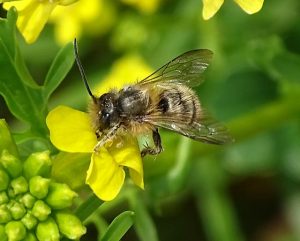
“Pests …” from rentmasonbees.com
Key Takeaways
Mason bees are vital pollinators, often more efficient than honeybees.
They face threats such as habitat loss, pesticides, pollution, and climate change.
Creating habitats, managing pesticides, and community initiatives are key to conservation.
Everyone can contribute to mason bee conservation with simple, actionable steps.
Understanding the importance of mason bees is the first step towards ecosystem stewardship.
Meet the Mason Bees: Unsung Heroes of Pollination
When you think of pollinators, honeybees likely buzz to mind. But there’s another group of bees that play a crucial role in our ecosystems: mason bees. These solitary bees are among the most proficient pollinators out there. Unlike honeybees, they don’t live in hives but in tiny holes in wood or hollow stems. Because they carry pollen on their bellies, they’re incredibly efficient at fertilizing plants—a single mason bee can do the pollination work of over a hundred honeybees!
Comparing Mason Bees to Honeybees and Other Pollinators
Mason bees and honeybees have different lifestyles and pollination methods. Mason bees are solitary and nest in pre-existing cavities, while honeybees are social and live in large colonies. The way mason bees collect pollen—by belly-flopping onto flowers—makes them messier but more effective at cross-pollination. This is because they transfer pollen directly to the next flower, unlike honeybees who tend to groom themselves and keep the pollen within their own hives.
Why Mason Bees Matter to Us All
It’s simple: without mason bees, many of our plants wouldn’t bear fruit or seeds. Mason bees are essential in the pollination of many crops, including apples, cherries, and almonds. Besides that, they’re a key component in the larger web of biodiversity that supports all life.
Impact of Mason Bees on Biodiversity
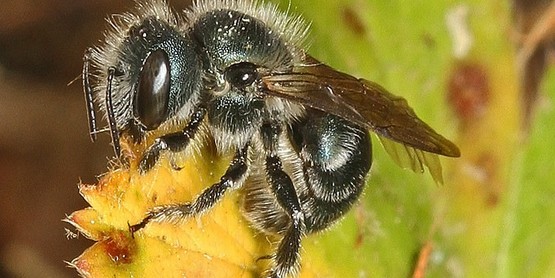
“Know Your Mason Bees” from ccesuffolk.org
Biodiversity is the variety of life in a particular habitat or ecosystem. Mason bees contribute to this by pollinating a wide array of plants, which in turn supports a diverse range of wildlife. When mason bees thrive, they help maintain the health and balance of our ecosystems, which is crucial for all species, including humans.
Connection Between Mason Bees and Food Production
Let’s not forget that mason bees are also agricultural allies. Their pollination services are integral to the production of many fruits and nuts. Without them, our diets and the agriculture industry would face serious challenges. Farmers are beginning to recognize this and are increasingly incorporating mason bee conservation into their practices.
Detecting the Dangers: Threats Facing Mason Bees
Despite their importance, mason bees are facing several serious threats. It’s vital that we understand these dangers so we can work to mitigate them. Awareness is the first step towards action.
Loss of Habitat: The Complex Consequences
Habitat loss is one of the most pressing issues for mason bees. Urbanization, deforestation, and intensive agriculture reduce the availability of suitable nesting sites and foraging areas. Without places to nest and a diverse supply of flowers for nectar and pollen, mason bee populations decline.
Example: A meadow converted into a parking lot not only removes nesting sites but also the wildflowers mason bees rely on for food.
Pesticides and Pollution: A Deadly Cocktail
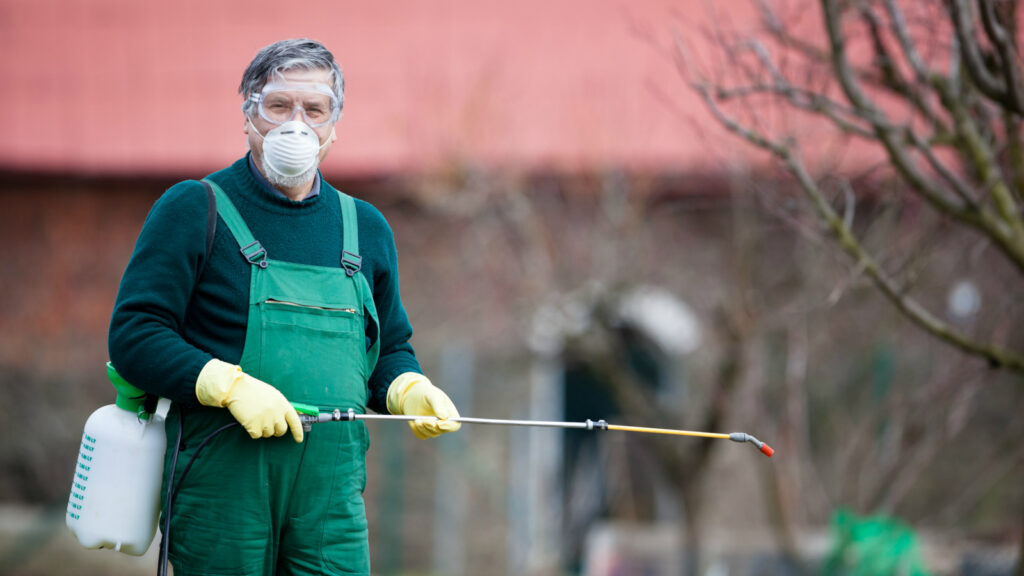
“pesticide-spraying neighbor …” from grist.org
Pesticides used in agriculture and gardens can be toxic to mason bees. Even if they don’t kill the bees directly, they can disrupt their ability to navigate and reproduce. Pollution also takes a toll, contaminating the very plants the bees pollinate and the environments they call home.
Climate Change: Altering the Survival Landscape
Climate change is altering weather patterns and blooming times of plants. Mason bees, which are active in early spring, may emerge before or after their food sources are available. This mismatch can lead to starvation and a decline in their populations. Understanding the causes of bee population decline and preservation strategies is crucial for their survival.
Sustainable Solutions for Mason Bee Preservation
Understanding the threats is crucial, but what can we do about them? Fortunately, there are several sustainable solutions to help preserve mason bee populations. It’s about creating a supportive environment for these industrious insects to thrive in. By adopting a few simple practices, we can all contribute to the conservation of mason bees.
Most importantly, we need to act now. Every small effort counts when it comes to conservation, and the cumulative effect of our actions can lead to significant positive outcomes for mason bees and our ecosystems at large.
Creating Mason Bee Habitats at Home
One of the most impactful things you can do is create a habitat for mason bees in your own backyard. This doesn’t require a lot of space or resources. Mason bees are looking for shelter and a place to lay their eggs. You can provide this by setting up a mason bee house, which is essentially a block of wood with holes drilled into it or a bundle of hollow tubes.
Here’s how you can create a simple mason bee habitat:
Choose untreated wood – Avoid chemicals that could harm the bees.
Drill holes – Make them about 5/16-inch in diameter and at least a few inches deep.
Keep it dry – Place the bee house under an overhang to protect it from the rain.
Face the sun – Bees like warmth, so face the house towards the morning sun.
Avoid moving the house – Once bees find it, they’ll return to the same spot.

Remember, having a variety of flowering plants in your garden will provide the bees with the nectar and pollen they need to survive and thrive.
Managing Pesticides: Adopting Organic Practices
Reducing or eliminating pesticide use is another crucial step. Pesticides can be lethal to mason bees or impair their ability to forage and reproduce. If you must use pesticides, choose organic options and apply them during times when bees are not active, such as at dusk or dawn.
Here are some organic practices to manage pests:
Encourage beneficial insects – Many insects like ladybugs naturally control pests.
Use physical barriers – Netting or row covers can protect plants from insects.
Apply organic sprays sparingly – Neem oil and insecticidal soaps can be less harmful alternatives to synthetic pesticides.
By adopting these practices, you’re not only helping mason bees, but you’re also contributing to the overall health of your garden and local environment.
Example: A community garden switched to organic practices and not only saw an increase in mason bee activity but also an improvement in the quality and quantity of their produce.
Community-Based Conservation Initiatives
Community-based initiatives can have a powerful impact on mason bee conservation. These programs often involve local groups working together to create bee-friendly spaces, educate the public, and promote sustainable gardening practices. Joining or starting a local conservation effort can magnify your impact.
From Insight to Action: The Experts’ Perspectives
Experts in conservation stress the importance of individual action. While it might seem like a small contribution, when many people take steps to protect mason bees, the effects can be profound. Conservationists advocate for education and engagement as the foundation of environmental stewardship.
They also emphasize the need for research to better understand mason bee behaviors and needs. This knowledge guides the development of more effective conservation strategies. By staying informed and sharing knowledge, we can all become advocates for mason bees and the environment.
Here are some ways experts recommend getting involved in mason bee conservation:
Plant native flowering plants in your garden to provide food for mason bees.
Volunteer with local conservation groups to help create and maintain bee habitats.
Educate others about the importance of mason bees and how to protect them.
Support policies and initiatives that promote sustainable agriculture and urban development.
Innovative Mason Bee Conservation Research
Research is key to understanding how best to support mason bees. Scientists are exploring various aspects of mason bee biology, from nesting preferences to dietary needs. Innovative projects are also looking at how landscape changes affect these pollinators and what can be done to mitigate negative impacts.
For example, one study found that mason bees prefer nesting sites close to a diversity of flowering plants. This insight helps inform the design of urban green spaces and conservation programs to better accommodate the needs of these essential pollinators.
Collaborative Projects with Impact
Collaboration is at the heart of successful conservation efforts. Projects that bring together farmers, scientists, conservationists, and the public can lead to significant advancements in mason bee preservation. By working together, we can combine resources and knowledge to create environments where mason bees can flourish.
Advice from Conservationists: How You Can Make a Difference
Conservationists offer practical advice for anyone looking to support mason bee populations. They recommend starting with small, manageable actions and gradually expanding your efforts. Whether it’s planting a few bee-friendly flowers or advocating for local conservation policies, every action contributes to the greater good.
Bees in My Backyard: Getting Involved
Getting involved in mason bee conservation can be as simple as setting up a bee house in your backyard or as involved as participating in local conservation efforts. Start where you are, use what you have, and do what you can. Your backyard can become a haven for mason bees, and your actions can inspire others to join in the effort.
With a little bit of knowledge and effort, you can make a big difference in the survival of mason bees. By creating habitats, managing pesticides responsibly, and participating in community initiatives, you’re taking important steps toward ecosystem stewardship. Let’s work together to ensure these vital pollinators are around for generations to come.
Bees in My Backyard: Getting Involved
Rolling up your sleeves and taking action in your own backyard is a powerful step toward mason bee conservation. It’s about transforming our local landscapes into thriving ecosystems for these tiny pollinators. And guess what? It’s easier than you might think!
Setting Up Your Mason Bee House
First things first, let’s set up a cozy place for mason bees to call home. You can purchase a pre-made bee house or get creative and make one yourself. Just remember to use untreated wood and drill holes of the right size—about 5/16-inch wide. Place your bee house facing east to catch the morning sun, and ensure it’s sheltered from the rain. This simple habitat can make a world of difference for mason bees looking for a nesting site.
Maintaining and Monitoring Local Bee Populations
Once your bee house is buzzing with activity, it’s important to keep an eye on your new tenants. Regularly check the house for signs of parasites or predators, and clean it out at the end of the season to prepare for next year’s residents. Monitoring the bee population in your garden will help you understand their needs and how best to support them.
Frequently Asked Questions (FAQ)
Now, let’s tackle some common questions you might have about getting started with mason bee conservation. Armed with the right information, you’ll be well on your way to making a positive impact.
What Are the First Steps to Take in Mason Bee Conservation?
The first steps in mason bee conservation are learning about these bees and their needs, then taking action to create a welcoming environment for them. This includes providing nesting materials, planting a variety of flowers, and avoiding pesticides.
How Do I Identify a Mason Bee?
Mason bees are small, often metallic blue or green, and are seen carrying pollen on the underside of their abdomen. They’re solitary and don’t produce honey, but they’re mighty pollinators. If you see bees buzzing around tiny holes in wood or walls, they might just be mason bees.
Can I Keep Mason Bees in an Urban Environment?
Absolutely! Mason bees can thrive in urban settings as long as they have access to flowers and nesting sites. Even a small balcony garden can be a sanctuary for these bees. It’s all about providing the right resources, no matter the size of your space.
Urban environments can actually be ideal for mason bees due to the variety of flowering plants and reduced use of agricultural pesticides. Just remember to provide a little shelter and some water, and you’ll be all set.
What Plants Are Best for Attracting Mason Bees?
Mason bees are generalists, but they love flowering plants that bloom in early spring. Think fruit trees, berries, and spring-blooming flowers. Here’s a quick list to get you started:
Fruit trees like apple, cherry, and plum
Berries such as raspberries and blackberries
Spring flowers like crocus, hyacinth, and forget-me-nots
Plant a mix to provide a steady bloom throughout the season and keep those mason bees busy!
How Can Schools and Community Groups Contribute to Mason Bee Conservation?
Schools and community groups can play a huge role in mason bee conservation. Start a garden with bee-friendly plants, set up educational workshops, and involve everyone in building and maintaining bee habitats. It’s a fantastic way to learn, engage, and make a difference.
By fostering mason bees in our backyards and communities, we’re taking active steps to support our local ecosystems. So go ahead, get your hands dirty, and enjoy the buzz of life that follows. Together, we can ensure that these precious pollinators continue to thrive, securing the health of our environment for future generations.


Leave a Reply