Key Takeaways
Installing a bee house supports vital pollinators and enhances your garden’s ecosystem.
Choose bee houses made from natural materials like wood or bamboo for eco-friendliness.
Consider the specific needs of different bee species when selecting a bee house design.
Place bee houses in a warm, sunny spot, away from predators and harsh weather conditions.
Maintaining cleanliness and proper placement of bee houses promotes the health of pollinators.
Why Your Garden Needs a Bee House

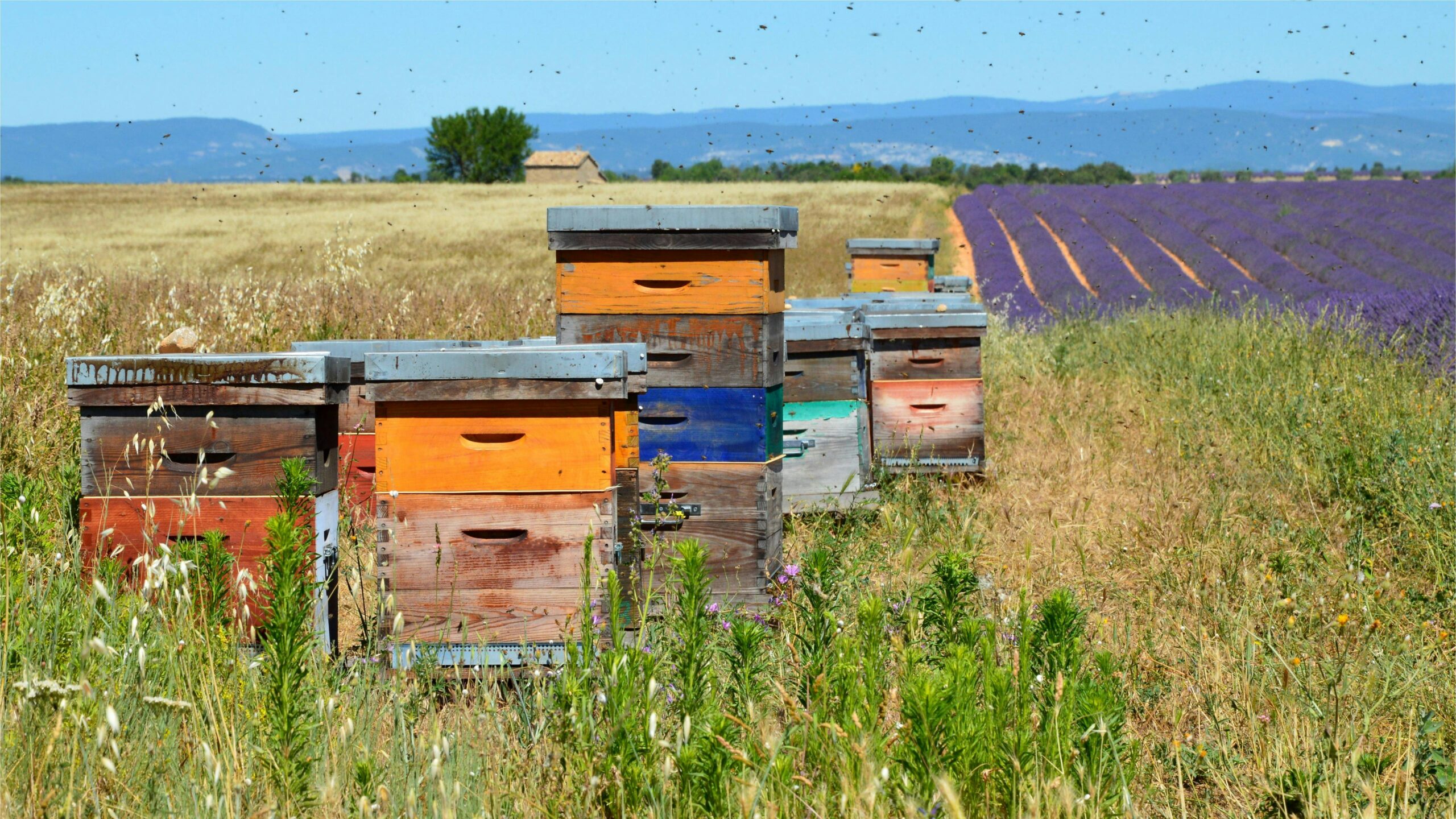
“Beekeeper Images | Free Photos, PNG …” from www.rawpixel.com and used with no modifications.
Bee houses aren’t just charming garden ornaments; they’re crucial lifelines for pollinators. As a gardener, you have the power to make a significant impact on the health of bees, and in turn, the vibrancy of your garden. Let’s dive into why these tiny creatures need our help and how we can create a sanctuary for them.
The Buzz on Pollination
Bees are the unsung heroes of the ecosystem, playing a pivotal role in pollinating plants, which allows them to reproduce. Without bees, our gardens would be less colorful and yield fewer fruits and vegetables. So, by inviting bees into our gardens with thoughtfully designed bee houses, we’re actually investing in the future bounty of our green spaces.
Impact of Bee Houses on Ecosystem Health
Bee houses do more than just attract pollinators; they provide safe havens where bees can lay their eggs and nurture their young away from predators. This not only helps to increase bee populations but also supports the health of the entire ecosystem. A thriving bee community means better pollination, which leads to more robust plant growth and a richer, more diverse garden.
Choosing the Perfect Bee House
Materials Matter in Bee House Design

“Bamboo Tube Bee Hotel for Solitary Bees …” from www.amazon.com and used with no modifications.
When selecting a bee house, always opt for natural materials like untreated wood, bamboo, or reeds. These materials mimic the bees’ natural nesting sites and are safer for them than synthetic alternatives. Plus, natural materials blend beautifully into your garden’s landscape, creating a harmonious look.
Size and Placement for Optimal Attraction
Size does matter when it comes to bee houses. Smaller houses are often better as they’re easier to manage and clean. As for placement, make sure your bee house faces the morning sun, is mounted at least a meter off the ground, and is protected from wind and rain. This will make it an inviting spot for bees to call home.
Bee Species-Specific Houses
Different bee species have different housing needs. For example, mason bees are solitary and prefer tubes to lay their eggs, while bumblebees like larger spaces. Take some time to learn about the bees in your area and choose a house design that caters to their specific habits and preferences.
Top Bee House Designs for Your Garden
Traditional Wooden Bee Blocks
“Wooden Bee House on Grass Field · Free …” from www.pexels.com and used with no modifications.
Wooden bee blocks are a classic choice. They’re sturdy, easy to clean, and can be filled with replaceable bamboo tubes or drilled holes of varying sizes to accommodate different species. Place them in a spot that gets plenty of morning light to warm the bees as they start their day.
Example: A traditional wooden bee block with 5/16-inch holes is perfect for mason bees, a common garden pollinator. Ensure the wood is untreated and the holes are smooth to prevent harm to the bees.
Modern Ceramic Bee Hotels

“Handmade Ceramic Clay Bee House Bee …” from www.etsy.com and used with no modifications.
For a sleek and contemporary look, modern ceramic bee hotels are an excellent choice. These bee houses not only add an artistic touch to your garden but are also incredibly durable. The smooth surface of the ceramic is easy to clean, which is essential for the health of your bee guests.
Keep in mind, though, that ceramic can get quite hot. To avoid overheating, place these bee hotels in areas where they will receive morning sun but are shaded during the hottest part of the day. This will ensure the bees are comfortable and your bee hotel remains a popular spot.
Eco-Friendly Bamboo Bee Havens
Bamboo bee havens are a favorite among eco-conscious gardeners. Bamboo is a sustainable resource, and its natural hollows are perfect for solitary bees. The tubes provide a snug fit for the bees, protecting their larvae from the elements and predators.
Innovative Live Plant Bee Houses
One of the most exciting trends in bee house design is the integration of live plants. These innovative structures combine the shelter of a traditional bee house with the food sources bees require. Imagine a bee house with a green roof of sedum or other pollinator-friendly plants. It’s a two-in-one solution that provides habitat and nutrition.
These live plant bee houses require a bit more maintenance to ensure the plants stay healthy, but the payoff is a self-sustaining unit that supports a micro-ecosystem all its own.
Step-By-Step: Building Your Own Bee Abode
Creating your own bee house can be a rewarding DIY project. Not only will you end up with a custom sanctuary for your buzzing buddies, but you’ll also have the satisfaction of knowing you played a part in supporting your local ecosystem.

Before you start, it’s important to have a clear plan. You’ll want to consider the size, design, and materials that will best suit the bees in your area. Once you have your plan in place, gather your materials and get ready to build!
Untreated wood or bamboo
Drill with various bit sizes
Natural sealant for weatherproofing
Mounting hardware
With these materials, you’re well on your way to constructing a bee haven that’s both functional and stylish.
Gathering Materials for a DIY Bee House
Start by sourcing untreated wood or bamboo. These materials are safe for bees and won’t release harmful chemicals. If you’re using wood, you’ll need a drill with various bit sizes to create tunnels for the bees. A natural sealant can be applied to protect the wood from the elements. For more detailed instructions, you can refer to this DIY bamboo pollinator kit construction guide.
For a simpler option, gather bamboo tubes of different diameters. These can be bundled together to create a varied habitat suitable for multiple bee species. Just make sure the bamboo is cut to a length that provides a deep enough cavity for the bees to lay their eggs.
Assembling Your Bee Hotel
Once you have your materials, it’s time to assemble your bee hotel. If you’re using wood, drill holes of varying sizes to attract different types of bees. The holes should be smooth and free of splinters. If you’re opting for bamboo, secure the tubes together tightly so they don’t shift and expose the developing larvae to predators.
Decorative Touches to Lure More Pollinators
Decorative touches aren’t just for aesthetics; they can also help attract more bees to your garden. Consider adding bright colors or patterns to mimic the visual cues bees use to find flowers. But remember, the primary goal is to create a safe and inviting space for bees, so don’t let decoration interfere with functionality.
Maintaining Your Bee House

“Beehive Inspection …” from www.perfectbee.com and used with no modifications.
Once your bee house is up and buzzing with activity, maintenance is key. Regular check-ups will help you spot any issues early on, such as parasites or mold, which could harm the bee larvae. A well-maintained bee house is a healthy bee house, and that means more pollinators for your garden.
At the end of the nesting season, usually in late autumn, it’s a good idea to clean out the bee house. This helps to prevent the build-up of harmful pathogens and gives the next generation of bees a clean start.
Some bee houses are designed with removable tubes or blocks, making them easier to clean. If your design doesn’t allow for this, consider replacing the nesting materials each year to keep the environment healthy for your bees.
Cleaning Practices for Bee Health and Safety
When cleaning your bee house, avoid harsh chemicals. Instead, use a brush to gently remove any debris from the tunnels. If you must wash the house, use mild soap and water, and ensure it’s completely dry before the bees return in the spring.
Seasonal Bee House Management
Bees have different needs depending on the season. In spring and summer, they’re active and need access to plenty of flowering plants. In the fall, they prepare for the next generation, and in winter, they need protection from the cold.
Therefore, it’s important to manage your bee house accordingly. Make sure it’s well-insulated for winter, and consider placing it in storage if your area experiences extreme cold. In the spring, rehang the bee house in a sunny spot to welcome back your pollinator pals.
For example, if you live in a region with harsh winters, you might insulate your bee house with natural materials like straw or even relocate it to an unheated shed or garage to provide extra protection for overwintering bees.
Enhancing your garden to attract and support pollinators goes beyond installing a bee house. It’s about creating an environment where bees and other beneficial insects can thrive. A diverse garden ecosystem is not only a boon for the bees but also for your entire garden, promoting healthy growth and a more robust yield of flowers and produce.
Enhancing Your Garden for Pollinators
Consider your garden a haven for pollinators. It’s not just about providing shelter but also food and water. Creating a bee-friendly garden is a multifaceted approach that involves planting the right flowers, providing water sources, and using safe pest control practices.
Companion Plants That Attract Bees
Companion planting is a natural way to enhance your garden’s appeal to bees. By selecting plants that are known to attract pollinators, you can ensure your garden is always buzzing with life. Here are some top picks:
Lavender – with its fragrant and nectar-rich flowers, lavender is a bee magnet.
Sunflowers – they offer a bounty of seeds and attract a wide variety of pollinators.
Catmint – not only loved by cats but also a favorite of bees for its continuous blooms.
Borage – known as a “bee’s bread,” borage has star-shaped flowers that bees adore.
Remember, the key is to plant a variety of species that bloom at different times of the year to provide a consistent source of food for the bees.
Water Features for a Bee-Friendly Garden
Besides that, bees need water just like we do. However, their small size makes it hard for them to drink from a typical bird bath without drowning. To help them out, create a bee waterer by filling a shallow dish with pebbles or marbles and adding just enough water so they can land and sip safely.
Safe Pest Control in Pollinator Gardens

“Spraying garden | Not all organic …” from www.flickr.com and used with no modifications.
It’s crucial to avoid chemical pesticides in your pollinator garden. These can harm the very creatures you’re trying to attract. Opt for natural pest control methods like encouraging beneficial insects, using barriers, or hand-picking pests. If you must use a pesticide, choose one that’s organic and apply it in the evening when bees are less active.
Frequently Asked Questions
How Often Should I Replace My Bee House?
Most bee houses require replacement or maintenance every two to three years. This ensures that the tunnels are clean and free from parasites that could harm the bees. Always check the condition of your bee house at the end of the season and make repairs or replacements as needed.
Where Is the Best Location to Install a Bee House?
The ideal location for a bee house is facing east or southeast to catch the morning sun, at least a meter off the ground, and with no obstructions in front of the entrance. It should be placed near a variety of flowering plants to provide a food source for the bees.
Can Bee Houses Attract Harmful Pests?
While bee houses are designed to attract pollinators, they can sometimes attract pests like wasps or mites. To minimize this risk, keep the house clean and monitor it regularly for unwanted guests.
Making sure your bee house has the correct size and shape of tunnels can also deter pests that prefer different living conditions.
What Time of Year Is Best for Setting Up a Bee House?
The best time to set up a bee house is in early spring, just before the solitary bees start emerging and looking for nesting sites. This gives them time to find and settle into their new home for the season.
How Can I Encourage Solitary Bees to Visit My Bee House?
To encourage solitary bees to visit your bee house, make sure it’s in a sunny location and that there’s an abundance of flowering plants nearby. Avoid using pesticides in your garden, and consider adding a water source for the bees. A welcoming environment will increase your chances of attracting these beneficial insects.

Leave a Reply