
Key Takeaways
-
Top-bar hives offer a more natural approach to beekeeping, mimicking how bees build in the wild.
-
Building a top-bar hive is accessible and can be a rewarding DIY project.
-
Harvesting honey from a top-bar hive is less stressful for bees and keeps the wax intact.
-
Top-bar hives can be adapted to different climates, making them versatile.
-
Understanding the mechanics and management of top-bar hives is essential for success.
The Buzz on Top-Bar Hives
Imagine stepping into your garden and seeing a thriving beehive, alive with the gentle hum of busy bees. Now, envision that this hive isn’t just any hive, but a top-bar hive, a testament to the harmonious blend of traditional beekeeping with innovative, modern methods. This isn’t just a dream; it’s a very achievable reality for anyone passionate about beekeeping, sustainability, and the environment.
What Is a Top-Bar Hive?
A top-bar hive is a horizontal beehive that features a series of bars across the top, from which bees build their comb naturally, without the constraints of pre-made frames. It’s a simple yet ingenious design that allows bees to live as they would in a hollow tree or other natural space. The beauty of this design is that it’s not only better for the bees, promoting a more natural lifestyle, but it’s also great for beekeepers, especially those who value a more hands-on, intimate approach to beekeeping.
But why go for a top-bar hive instead of the conventional Langstroth hives? Well, it’s all about the bees and the beekeeper. Bees in a top-bar hive build at their own pace and in more natural shapes, which can lead to healthier colonies. For the beekeeper, there’s the joy of harvesting honeycomb directly, wax and all, and the ease of managing the hive without heavy lifting.
Why Choose a Top-Bar Hive Over Traditional Hives?
There are several compelling reasons to opt for a top-bar hive:
-
Simplicity: The design is straightforward, making it less intimidating for beginners.
-
Ergonomics: No heavy lifting of supers or frames, which means less strain on your back.
-
Wax Production: Each harvest yields a full comb of wax, a valuable resource for candles and cosmetics.
-
Natural Beekeeping: It allows bees to build combs as they would in the wild, which can lead to healthier bees and reduced stress.
Moreover, for those interested in sustainable practices, top-bar hives can be made from recycled or locally sourced materials, further reducing the environmental impact of beekeeping.
The Mechanics of a Top-Bar Hive
Design Essentials: Understanding the Structure
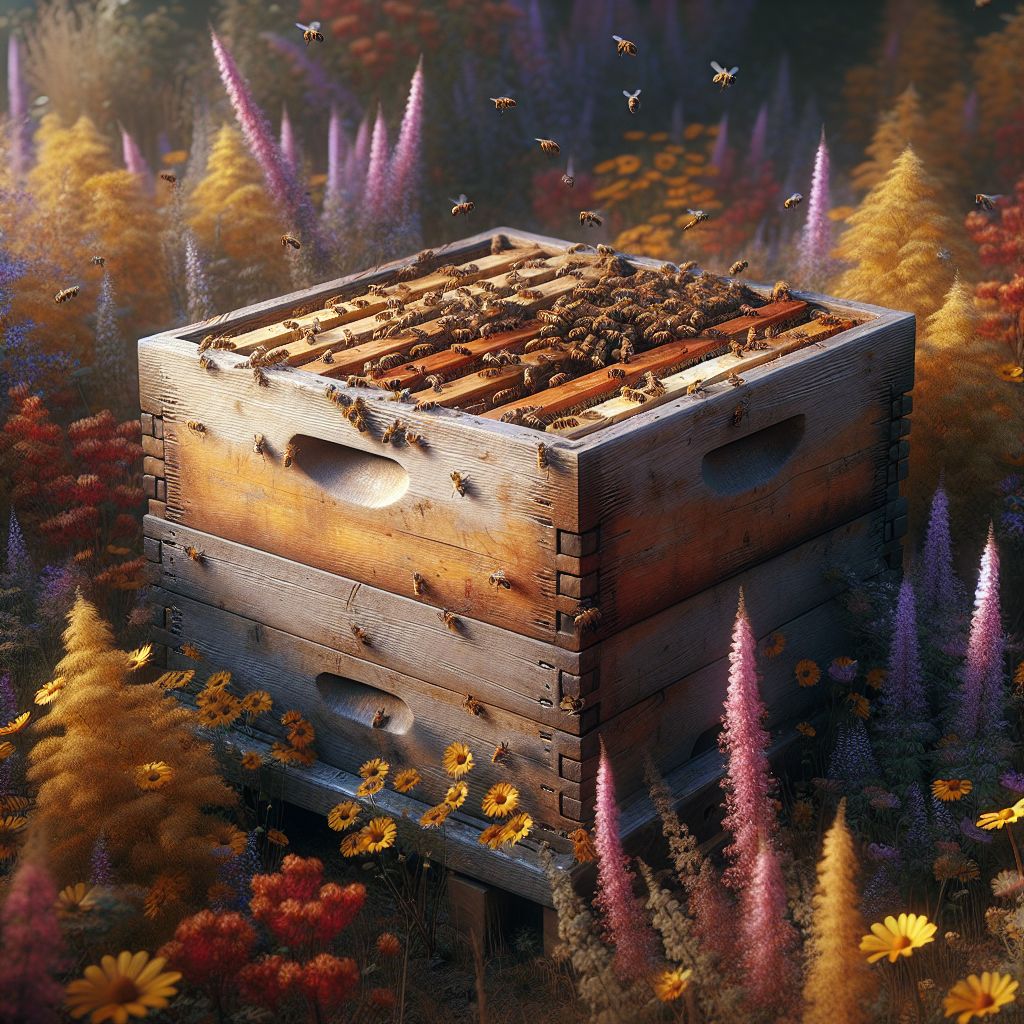
The basic structure of a top-bar hive is a long, horizontal box with a series of bars laid across the top. These bars are where the bees will build their honeycomb. The box typically has sloped sides, which encourage the bees to attach their combs to the bars rather than the sides of the box, making for easier management and honey harvesting.
The top-bar hive’s design is no accident; it’s based on the principle of bee space, an understanding of the bees’ natural building habits. Bees prefer to leave a small space between their combs, about 1/4 to 3/8 of an inch, which is just enough room for two bees to pass back-to-back. The top-bar hive takes this into account, ensuring the bars are spaced appropriately to promote this natural behavior.
Building Your Own Top-Bar Hive: A Step-by-Step Guide
Creating your own top-bar hive can be a fulfilling project. For more detailed instructions, consider this online beekeeping course to get you started:
-
Gather Materials: You’ll need untreated wood, screws, a saw, drill, and a measuring tape. Recycled materials work great, too!
-
Cut the Wood: Cut the sides, ends, and bottom of the hive to size. Angled sides help prevent comb attachment to the walls.
-
Assemble the Box: Screw the sides, ends, and bottom together to form the main body of the hive.
-
Add the Bars: Cut the top-bars to length, ensuring they fit snugly across the top of the hive body.
-
Attach a Roof: The roof can be hinged for easy access and should overhang to protect from the elements.
Remember, precision is key. The bars should be evenly spaced to maintain the bee space and prevent the bees from building comb where you don’t want them to.
Managing Bees in a Top-Bar Hive: The Basics
Once your hive is built, it’s time to introduce your bees. But management doesn’t stop there. For a detailed guide on building and managing your top-bar hive, consider reviewing this simple top-bar hive manual.
-
Regular Inspections: Gently check the hive every couple of weeks to monitor the health of the bees and the progress of comb building.
-
Feeding: If necessary, provide supplemental feeding, especially during the initial stages or if resources are scarce.
-
Space Management: Encourage the bees to build straight combs by keeping the bars snug and aligned.
Remember, the key to success with a top-bar hive is observation and adaptation. Watch how your bees behave and adjust your management techniques accordingly.
Maximizing Wax and Honey Yields with Minimal Stress to Bees
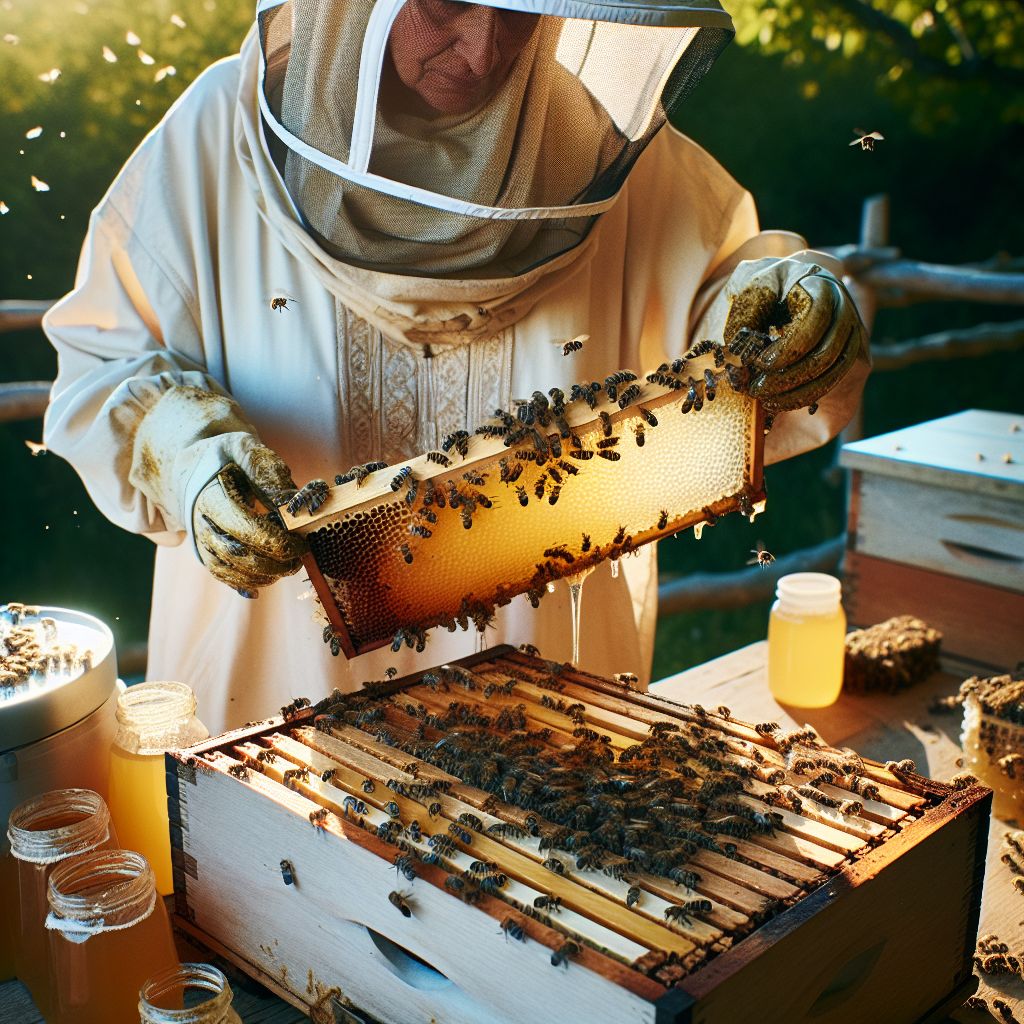
Maximizing your yield while keeping stress on the bees to a minimum is a delicate balance. With top-bar hives, it’s all about timing and technique. Harvesting should be done during times when bees have a surplus, usually in the late spring or early summer. This ensures that your bees have enough resources to get through the winter.
When you do harvest, the process is straightforward. Remove the bars with fully capped honeycomb, leaving enough honey for the bees. Since top-bar hives don’t use frames or foundation, you get the full, beautiful combs, which can be directly consumed as comb honey or crushed to extract liquid honey. This method preserves the natural structure of the comb, which bees can then rebuild, and it also reduces the stress on the bees since the entire hive isn’t being dismantled.
Top-Bar Hives in Different Climates
One of the advantages of top-bar hives is their adaptability to various climates. However, they do require some modifications to ensure that they remain suitable habitats for bees throughout the year. Insulation, ventilation, and sun exposure are critical factors that need to be adjusted according to the climate.
In colder regions, insulation can be added to the walls of the hive to help maintain a warm interior. Conversely, in hotter climates, ensuring adequate ventilation and shade is necessary to prevent overheating. These adjustments help bees regulate the temperature inside the hive, which is crucial for their survival and productivity.
Regardless of the climate, always ensure that the hive is elevated off the ground to prevent moisture build-up and to deter predators. A well-ventilated cover is also vital to protect against rain and direct sunlight while allowing air to circulate.
-
Insulate the hive in cold climates
-
Provide ventilation and shade in hot climates
-
Elevate the hive to prevent moisture and deter predators
Adapting Top-Bar Hives for Colder Regions
In colder regions, the key to a successful top-bar hive lies in its ability to retain heat. This means thicker walls, possibly made from insulating materials like straw bales or foam panels. You may also want to consider a windbreak or placing the hive in a spot that receives ample winter sun. Just remember, bees still need fresh air, so don’t make the hive airtight.
Utilizing Top-Bar Hives in Tropical Environments
When it comes to tropical environments, overheating and excess moisture are your main concerns. A good strategy is to paint the hive with reflective colors and ensure it’s under a shade. Ventilation holes near the top of the hive help the hot air escape, and a raised hive stand will keep the moisture levels in check.
Overcoming Challenges with Top-Bar Hives
While top-bar hives have many benefits, they also come with their own set of challenges. Comb collapse, especially in hot weather, can be an issue. To prevent this, harvest more frequently during peak honey flow and avoid jostling the hive unnecessarily. Regular maintenance checks are crucial to identify and fix any combs that are beginning to sag before they become a problem.
Handling Common Issues: Comb Collapse and Pest Management
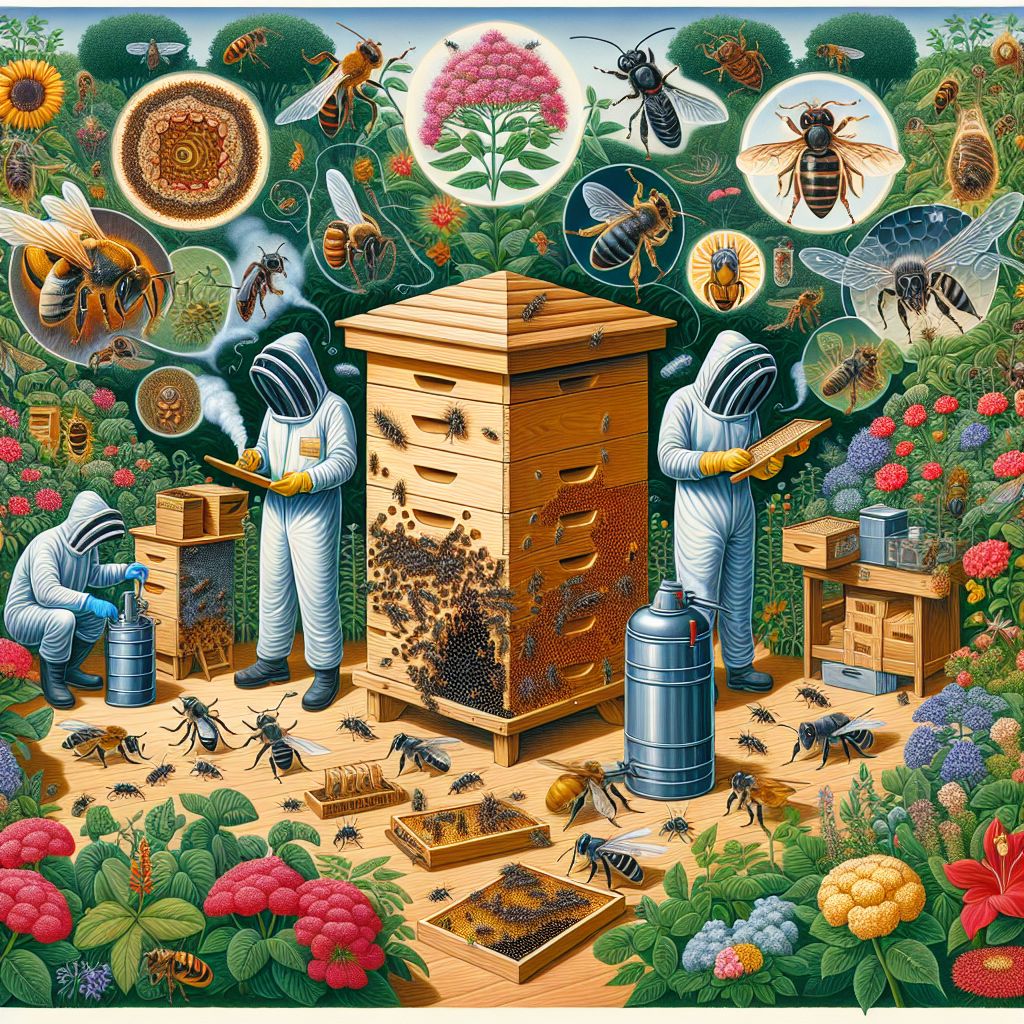
Comb collapse is often due to the weight of honey or improper attachment to the top-bar. To mitigate this, ensure that your bars have a guide—a small strip of wood or a line of beeswax—to encourage straight comb building. For pest management, maintain a healthy colony, use natural deterrents like essential oils, and keep an eye out for signs of infestation.
Advanced Tips for Seasoned Beekeepers
If you’re a seasoned beekeeper looking to refine your top-bar hive practice, consider these advanced tips:
-
Rotate combs periodically to encourage the bees to build straight and strengthen the comb attachment.
-
Experiment with different bar widths to see what works best for your bees’ brood pattern and honey storage.
-
Use a follower board to help manage the space inside the hive, which can be particularly useful during the swarm season.
Beyond that, keep detailed records of your hives. Observations on behavior, productivity, and any issues that arise are invaluable for improving your beekeeping methods.
Success Stories: Beekeepers Innovating with Top-Bar Hives
Across the globe, beekeepers are turning to top-bar hives as a sustainable and bee-friendly alternative. From hobbyists in urban gardens to rural communities in developing countries, the simplicity and effectiveness of top-bar hives are making a significant impact.
Case Studies Worldwide: Improving Livelihoods and Ecosystems
In countries like Kenya, top-bar hives are part of a movement towards sustainable agriculture. Farmers are integrating beekeeping with crop production, which improves yields through better pollination and provides additional income through honey sales. These hives are often made from locally available materials, reducing costs and promoting self-sufficiency.
Similarly, in urban areas, top-bar hives are becoming popular among gardeners and rooftop beekeepers. The ease of use and minimal space requirements make them ideal for small-scale beekeeping. These urban hives not only produce honey but also contribute to the pollination of city gardens and parks, enhancing biodiversity.
Inspiration for Your Beekeeping Journey
Whether you’re new to beekeeping or looking to switch to a more sustainable method, top-bar hives offer a world of benefits. They encourage natural bee behaviors, are gentler on the bees, and provide a unique way to engage with these incredible insects.
Take the leap and start your own top-bar hive. With a little ingenuity and care, you’ll not only harvest the sweet rewards of honey and wax but also play a part in supporting the health and diversity of bee populations around the world.
And remember, the most important thing is to enjoy the journey. Beekeeping with a top-bar hive is as much about the experience as it is about the end product. So, embrace the process, learn from your bees, and celebrate each step of your beekeeping adventure.
Further Innovations in Top-Bar Beekeeping
As we continue to push the boundaries of beekeeping, innovators around the world are refining the top-bar hive concept. By integrating traditional knowledge with modern technology, we’re witnessing the evolution of beekeeping into a practice that not only yields more product but also nurtures the environment.
Some beekeepers have started incorporating observation windows into their top-bar hives, allowing for non-intrusive monitoring of the hive’s health and activity. Others are experimenting with materials, using more sustainable resources or repurposing waste materials to construct their hives.
Most importantly, there’s a growing emphasis on community education. Beekeepers are hosting workshops and creating online content to share their experiences and insights, fostering a new generation of environmentally conscious beekeepers.
Exploring Hybrid Hives: The Best of Both Worlds
Hybrid hives represent an exciting development in beekeeping. These hives combine the best features of traditional top-bar hives with those of modern designs like the Langstroth. The result is a hive that’s both bee-friendly and highly productive.
For example, a hybrid hive might use top-bars for natural comb construction but include frames to support the comb, making it easier to inspect and manage. This approach respects the bees’ natural behaviors while accommodating the beekeeper’s needs for ease of use and honey extraction.
Future Tech in Beekeeping: What’s Next for Top-Bar Hives?
Looking to the future, we can expect to see more integration of technology in top-bar beekeeping. From sensors that track hive health indicators to apps that help manage hive records, technology is set to make beekeeping more precise and less intrusive.
Advancements in materials science may also lead to the development of new, more durable, and sustainable materials for hive construction. The future of top-bar hives is bright, with innovation focused on improving the well-being of bees and the efficiency of beekeeping.
And let’s not forget about the bees themselves. As we learn more about bee behavior and genetics, we may see top-bar hives designed to cater to specific bee species or breeds, further optimizing the health and productivity of our buzzing friends.
Frequently Asked Questions
There’s always a buzz of questions around top-bar hives, so let’s clear up some common curiosities.
How Can Beginners Get Started with Top-Bar Beekeeping?
For those new to beekeeping, starting with a top-bar hive can be less daunting than you might think. Begin by researching and understanding bee behavior and the basic principles of beekeeping. Then, either build or purchase a top-bar hive, source your bees—preferably from a local supplier—and dive in. Remember, there’s a wealth of resources available, from books to online communities, so you’re never alone on this journey.
What Are the Main Benefits of Using a Top-Bar Hive?
“Top-bar hives encourage natural bee behavior, are easier on the beekeeper’s back, and make wax harvesting a breeze. They’re the perfect choice for the sustainable beekeeper.”
Beyond these, top-bar hives are cost-effective, require less equipment, and can be made from sustainable materials, making them an excellent option for eco-conscious beekeepers.
They also offer a more intimate beekeeping experience, allowing beekeepers to work closely with their hives and gain a deeper understanding of the bees.
Can Top-Bar Hives Help in Combating Bee Colony Collapse Disorder?
While there’s no silver bullet for bee colony collapse disorder, top-bar hives can play a role in creating healthier bee populations. Their design allows bees to build combs naturally, which some beekeepers believe leads to stronger, more resilient colonies. Additionally, the ease of managing top-bar hives can help beekeepers maintain closer surveillance of their bees, catching potential issues early.
How Often Should Honey Be Harvested from a Top-Bar Hive?
Honey harvest from a top-bar hive should be done judiciously, typically once a season, but this can vary based on local conditions and the strength of the colony. It’s crucial to leave enough honey for the bees to sustain themselves, especially over winter.
Remember, the goal is to balance your needs with the health of the hive. Keeping the bees’ best interests at heart will lead to sustainable harvesting and a thriving colony.
What Are Some Sustainable Practices in Top-Bar Beekeeping?
Sustainable beekeeping with top-bar hives involves more than just the design of the hive. Here are some practices to consider:
-
Use natural materials for hive construction and avoid chemical treatments.
-
Practice integrated pest management to reduce the need for pesticides.
-
Harvest honey and wax responsibly, ensuring the bees have enough to thrive.
-
Engage in community education to spread awareness and best practices.
Ultimately, the journey of a beekeeper is one of constant learning and adaptation. By embracing the top-bar hive and its principles, you’re not just harvesting honey; you’re contributing to the welfare of bees and the planet. Now, that’s something to buzz about!
The innovative top-bar hive combines the age-old tradition of beekeeping with modern methods, creating a system that is both bee-friendly and easy for beekeepers to manage. With a top-bar hive, bees build their comb naturally, which many believe leads to a healthier and more stress-free environment for the bees. For those interested in sustainable beekeeping practices, this hive design can be a great option. Additionally, beekeepers looking to ensure their hives are well-protected from pests can find useful strategies in resources like effective strategies and tips to ant-proof your bee house.