
Beekeeping is a rewarding hobby and profession, but it comes with its own set of risks. One of the most important aspects of beekeeping safety is wearing the right protective clothing. This ensures not only your safety but also the safety of the bees, as a calm beekeeper is less likely to upset the hive. In this article, we’ll explore the essentials of beekeeping protective clothing and share tips to enhance your safety while working with bees.
Key Takeaways
- Always wear a full beekeeping suit for maximum protection against bee stings.
- Choose breathable materials for your clothing to stay comfortable during warm weather.
- Ensure your helmet and veil fit properly to prevent bees from entering.
- Use gloves that offer protection but still allow for dexterity and feel.
- Regularly inspect your protective clothing for wear and tear to maintain safety.
Why Protective Clothing is Essential in Beekeeping
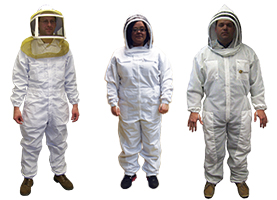
“Beekeeping Protective Clothing | Dadant …” from www.dadant.com
Beekeeping protective clothing is your first line of defense against bee stings. While bees are generally not aggressive, they can become defensive if they feel threatened. Wearing the right clothing helps you stay calm and focused, reducing the risk of upsetting the bees.
Understanding Bee Behavior
Bees are fascinating creatures with complex social structures. Understanding their behavior can help you interact with them safely. Bees communicate through pheromones, and if they sense a threat, they release alarm pheromones to alert the colony. Wearing protective clothing helps minimize these signals, allowing you to work more effectively with your hives.
Most importantly, always approach your hives calmly and confidently. Bees can sense fear and agitation, which may trigger defensive behavior. Protective clothing provides a physical barrier, but maintaining a calm demeanor is equally crucial.
Preventing Bee Stings
Bee stings are not only painful but can also cause allergic reactions in some individuals. Therefore, preventing stings is a top priority for beekeepers. Protective clothing covers vulnerable areas like the face, hands, and legs, reducing the risk of stings.
Besides that, it’s important to check your clothing for any gaps or openings where bees might enter. Elastic cuffs and zippers should be snug but comfortable, ensuring a secure fit. Remember, even a small gap can allow a bee to get inside your suit.
Maintaining Hygiene and Safety
Protective clothing also plays a role in maintaining hygiene. Bees are sensitive to odors, and foreign scents can disturb them. Wearing clean clothing reduces the chance of introducing unwanted smells to the hive.
Additionally, protective gear helps prevent the transfer of pathogens between hives. By keeping your clothing clean and well-maintained, you minimize the risk of spreading diseases within your bee colonies.
Essential Beekeeping Protective Clothing
Choosing the right protective clothing involves understanding the different types of gear available and how each piece contributes to your safety. From full suits to gloves, each item has a specific purpose in protecting you while working with bees.
Here, we’ll discuss the essential pieces of beekeeping clothing and what to look for when selecting your gear.
Full Beekeeping Suit
A full beekeeping suit is the most comprehensive form of protection. It covers your entire body, minimizing the risk of stings. Most suits are made from durable materials like cotton or polyester, providing a balance of protection and comfort. For those interested in urban beekeeping, understanding urban beekeeping pest control is essential to ensure a safe environment for both the beekeeper and the bees.
When choosing a suit, consider the climate in which you’ll be working. Lightweight, breathable fabrics are ideal for warm weather, while heavier materials offer more protection in cooler climates. Always ensure your suit fits well, with elastic cuffs and zippers securely fastened. For more information on what beekeeping protective clothing you need, check out this resource.
Helmet and Veil
The helmet and veil are crucial for protecting your face and head. These areas are particularly vulnerable to stings, so a well-fitting veil is essential. Look for veils that attach securely to your suit and offer good visibility. For more tips on choosing the right gear, check out our guide on best bee suit protective gear.
Some beekeepers prefer veils with built-in hats, while others opt for separate helmets. Both options have their advantages, so choose the one that feels most comfortable and secure for you.
- Check for secure attachment points to prevent gaps.
- Ensure good visibility and ventilation.
- Consider a veil with a built-in hat for added convenience.
Material Considerations
When selecting beekeeping clothing, the material is a critical factor. You want something durable yet comfortable. Cotton is a popular choice because it’s breathable and natural. However, synthetic materials like polyester blends can offer enhanced durability and resistance to wear and tear. Consider the climate in your area when choosing materials. In hot weather, lighter fabrics with good ventilation are essential to keep you cool while working with your bees.
Proper Fit and Sizing
Proper fit is crucial for effective protection. A suit that’s too tight can restrict movement, while one that’s too loose can allow bees to get inside. When trying on a beekeeping suit, make sure you can move comfortably and that all zippers and elastics fit snugly without gaps.
Check that the sleeves and pant legs cover your wrists and ankles completely. Elastic bands or Velcro closures at these points help ensure a tight seal. A well-fitting suit not only protects you better but also allows you to work more efficiently.
Don’t forget to try on your suit with any additional layers you might wear underneath. This will give you a more accurate sense of the fit and ensure you remain comfortable during your beekeeping tasks.
Ventilation for Comfort
Working with bees can be hot work, especially in the summer months. That’s why ventilation is an important consideration when choosing protective clothing. Many modern beekeeping suits come with mesh panels or ventilation zippers to help regulate body temperature.
- Look for suits with built-in ventilation panels.
- Consider lightweight materials for better airflow.
- Ensure your helmet and veil also have ventilation features.
Good ventilation not only keeps you comfortable but also helps prevent overheating, which can make you more prone to mistakes while handling your bees.
Additionally, make sure your gloves and boots are breathable. Sweaty hands can make it difficult to handle equipment, and damp feet can lead to discomfort during long sessions in the apiary.
Ultimately, the right ventilation features will make your beekeeping experience more enjoyable and safer.
Safety Tips for Beekeepers
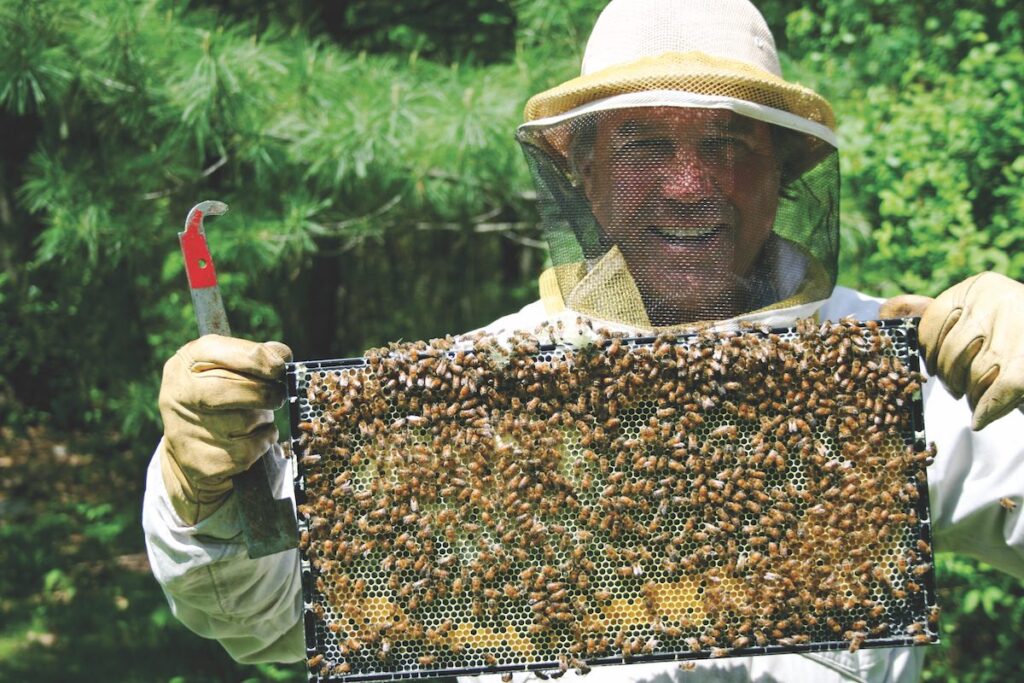
“Buzzworthy Backyard Beekeeping – Flower …” from flowermag.com
Safety in beekeeping extends beyond just wearing the right clothing. How you handle your bees and manage your apiary also play significant roles in keeping both you and your bees safe. Here are some key safety tips to keep in mind.
First and foremost, always approach your hives calmly and with confidence. Bees can sense agitation, which can lead to defensive behavior. Being calm helps you focus on the task at hand and reduces the likelihood of accidental stings.
Handling Bees Calmly
- Move slowly and deliberately around the hive.
- Avoid sudden movements or loud noises.
- Use a smoker to calm the bees before opening the hive.
Handling bees calmly is not just about avoiding stings. It also ensures that the bees remain undisturbed, which is crucial for maintaining a healthy and productive hive.
Besides that, always have a plan before you start working with your bees. Know what tasks you need to accomplish and prepare your tools in advance. This reduces the time you spend with the hive open, minimizing disturbance to the bees.
Most importantly, trust your instincts. If the bees seem unusually agitated, it might be best to close up the hive and try again another day.
Properly Securing Clothing
Ensuring that your protective clothing is properly secured is vital for safety. Always double-check that all zippers are fully closed and that any Velcro or elastic closures are fastened securely. Pay special attention to areas like the wrists, ankles, and neck, where bees are most likely to find an entry point. For more detailed advice, consider exploring this beekeeping introduction guide.
Using a Smoker Effectively
The smoker is an essential tool in beekeeping, helping to calm the bees and make them more manageable. To use a smoker effectively, light it before approaching the hive and ensure it’s producing a steady stream of cool smoke.
Gently puff smoke at the entrance of the hive and under the lid before opening it. This will mask alarm pheromones and keep the bees calm. Remember, you don’t need a lot of smoke; a little goes a long way in maintaining a peaceful hive environment. For more information on essential beekeeping gear, check out what protective clothing beekeepers need.
Caring for Your Beekeeping Clothing
- Regularly wash your suit to remove bee pheromones and other scents.
- Inspect for any tears or holes that could compromise protection.
- Store your gear in a dry, cool place to prevent mold and mildew.
Proper care and maintenance of your beekeeping clothing ensure it remains effective in protecting you from stings and other hazards. For tips on selecting the best protective gear, check out our guide on choosing the best bee suit. Let’s delve into some best practices for keeping your gear in top condition.
Firstly, washing your beekeeping suit regularly is important for hygiene and safety. Use mild detergents and avoid bleach, which can weaken the fabric. Always follow the manufacturer’s care instructions for the best results.
Inspect your clothing for any signs of wear and tear. Small holes or frayed seams can provide entry points for bees, so repair or replace damaged gear promptly. A stitch in time saves nine, and in this case, it could prevent a sting. For more on maintaining your equipment, check out this seasonal guide on hive management.
Washing and Maintenance
Washing your beekeeping clothing helps remove any lingering bee pheromones and keeps the fabric in good condition. After each use, inspect your gear for dirt and stains, and clean it as needed. Regular washing not only maintains the clothing’s protective qualities but also prolongs its lifespan.
Inspecting for Wear and Tear
Before each beekeeping session, take a moment to inspect your clothing for wear and tear. Look for any holes, loose threads, or weak spots that might compromise your safety. Address any issues promptly to ensure your gear provides maximum protection during your beekeeping activities. For more detailed advice on maintaining your equipment, you might find our beekeeping introduction guide helpful.
Storage Recommendations
Proper storage of your beekeeping clothing is crucial for maintaining its integrity and ensuring it remains effective in protecting you from bee stings. After each use, make sure your gear is completely dry before storing it. This prevents mold and mildew, which can weaken the fabric and reduce its protective qualities.
Store your clothing in a cool, dry place away from direct sunlight. Sunlight can degrade fabrics over time, especially synthetic materials. Hanging your suit can help maintain its shape and prevent creases that could lead to wear and tear.
Concluding Thoughts on Beekeeping Safety
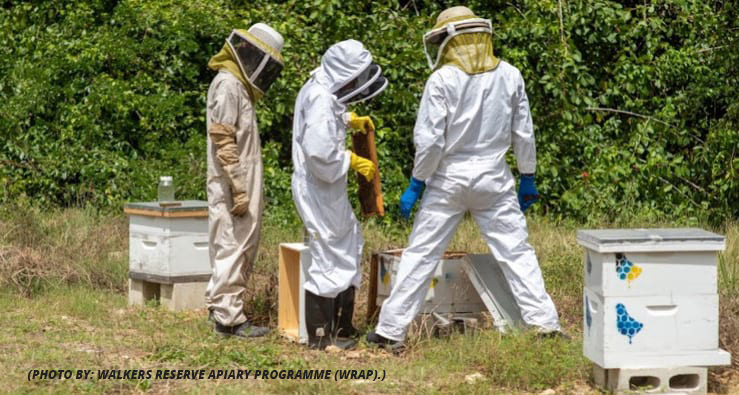
“Beekeeping Equipment: All That You Will …” from apiculturebarbados.org
Beekeeping can be a safe and enjoyable activity when approached with the right precautions. Protective clothing is an essential part of this, providing a barrier between you and the bees. By choosing the right gear, ensuring a proper fit, and maintaining your equipment, you can focus on what truly matters: nurturing and enjoying your bees.
Practical Tips for Beginners
For those new to beekeeping, starting with a full suit is a wise choice. It provides comprehensive protection and allows you to build confidence while working with your hives. As you gain experience, you may find that you can adjust your gear to suit your comfort level and the specific tasks you’re performing.
Always remember to approach your hives calmly and methodically. Plan your tasks ahead of time, and don’t hesitate to seek advice from more experienced beekeepers. Their insights can be invaluable as you navigate the learning curve of beekeeping.
Building Confidence with Bees
Confidence comes with experience, and the more time you spend with your bees, the more comfortable you’ll become. Start with small tasks and gradually take on more complex activities as your skills improve. Always respect the bees and remember that patience is key to successful beekeeping.
Frequently Asked Questions (FAQ)
Let’s address some common questions that new and experienced beekeepers often have about protective clothing and beekeeping safety.
What makes a beekeeping suit different from regular clothing?
A beekeeping suit is specifically designed to protect against bee stings. It covers the entire body, including the head and face, with reinforced seams and snug closures to prevent bees from getting inside. The material is usually thicker and more durable than regular clothing, providing an extra layer of protection.
Can I wear my everyday gloves for beekeeping?
While it’s possible to use everyday gloves, it’s not recommended. Beekeeping gloves are designed to provide protection while allowing for dexterity and feel, which is crucial when handling bees and hive components. Everyday gloves may not offer the same level of protection or flexibility.
At what age can someone start beekeeping safely?
There is no strict age requirement for beekeeping, but it’s important that the individual can handle the responsibilities and safety precautions involved. Young beekeepers should always be supervised by an experienced adult to ensure their safety and that of the bees.
How do I know if my protective clothing is damaged?
Regular inspections are key. Look for any holes, tears, or worn areas that could allow bees to enter. Pay special attention to seams, zippers, and elastic closures. If you find any damage, repair or replace the item before using it again.
Why are beekeeping suits often white or light-colored?
Beekeeping suits are typically white or light-colored because bees are less likely to perceive them as threats. Dark colors can resemble predators to bees, which may provoke defensive behavior. Light colors help keep the bees calm and reduce the likelihood of stings.




Leave a Reply