
Urban beekeeping is a rewarding endeavor, but it comes with its own set of challenges, particularly when it comes to pest control. Pests can significantly affect the health of bee colonies, and therefore, addressing this issue is crucial for every urban beekeeper. In this article, I’ll guide you through the world of urban beekeeping pest control, focusing on effective strategies and the use of pest control pads.
Key Takeaways
- Common pests in urban hives include Varroa mites, small hive beetles, and wax moths.
- Pest infestations can lead to weakened colonies and reduced honey production.
- Pest control pads are an effective tool for managing hive pests.
- Integrating pest management strategies helps maintain healthy bee colonies.
- Community engagement enhances the effectiveness of urban beekeeping practices.

“Can You Keep Bees With Kids” from www.murdochs.com
Pest Challenges in Urban Beekeeping
Urban beekeeping presents unique challenges that differ from rural settings. The dense population and varied environments can introduce pests that thrive in urban areas. Understanding these challenges is the first step toward effective pest control.
Common Pests in Urban Hives
Several pests commonly affect urban hives, with Varroa mites being the most notorious. These tiny parasites attach themselves to bees, weakening them by feeding on their bodily fluids. They also transmit viruses that can devastate entire colonies.
Small hive beetles are another concern. They lay eggs inside the hive, and the larvae can destroy honeycombs and contaminate honey. Wax moths, while less harmful, can still cause significant damage by tunneling through wax, leaving behind a web of destruction.
Impact of Pests on Bee Health
Pests can have severe effects on bee health. A heavily infested hive may experience reduced honey production, weakened bee immune systems, and even colony collapse. It’s crucial for urban beekeepers to regularly monitor and manage pest populations to ensure their hives remain healthy and productive. For more insights, explore urban hive management strategies.
Urban Environment Complications
Urban environments can complicate pest control efforts. Limited space, nearby human activity, and pollution can all contribute to the challenges faced by urban beekeepers. Additionally, the lack of natural predators in cities can allow pest populations to grow unchecked.
Therefore, urban beekeepers must be vigilant and proactive in their pest control efforts, employing a combination of strategies to manage pests effectively.
Introduction to Pest Control Pads
Pest control pads are a practical solution for managing pests in urban beekeeping. These pads are designed to attract and eliminate pests without harming the bees. They are an essential tool in any urban beekeeper’s arsenal. For more information on urban hive management, check out this seasonal guide on varroa control kits.
What are Pest Control Pads?
Pest control pads are sheets or strips that contain substances designed to attract and trap pests. They are placed inside the hive where pests are most likely to congregate. These pads are non-toxic to bees and provide an efficient way to manage pest populations.
Because they are easy to use and highly effective, pest control pads have become a popular choice among urban beekeepers looking to protect their colonies.
Mechanism of Action
Pest control pads work by emitting scents or pheromones that attract pests. Once the pests come into contact with the pad, they become trapped or are killed by the active ingredients. This targeted approach helps reduce pest populations without impacting the bees.
Types of Pest Control Pads Available
There are several types of pest control pads available, each designed to target specific pests. Some are specifically for Varroa mites, while others target small hive beetles or wax moths. It’s important to choose the right type of pad for the specific pest issue you’re facing.

“Thoughts On Formic Pro” from thewalrusandthehoneybee.com
Effective Strategies for Pest Control
Beyond using pest control pads, urban beekeepers should adopt a comprehensive pest management strategy. This involves a combination of methods to keep pest populations in check and maintain hive health. For instance, exploring varroa control kits can be a crucial part of managing hive threats effectively.
Let’s explore some of these strategies in detail.
Urban beekeeping has gained popularity as more people recognize its benefits and the positive impact it has on the environment. For those interested in starting their own beekeeping journey, understanding the necessary equipment and best practices is crucial. You can find a comprehensive guide to urban beekeeping, including benefits, practices, and equipment, in this Urban Beekeeping Guide.
Integrated Pest Management (IPM) Approach
Integrated Pest Management (IPM) is a holistic approach to controlling pests that combines different strategies to minimize their impact. This method focuses on understanding the life cycle of pests and using that knowledge to implement targeted control measures. By integrating cultural, biological, and mechanical controls, urban beekeepers can effectively manage pests while minimizing harm to the environment and bees.
For instance, regular hive inspections can help detect early signs of pest infestations, allowing for timely intervention. Additionally, maintaining strong and healthy bee colonies through proper nutrition and hive management can increase their resilience against pests.
Organic vs. Synthetic Solutions
When it comes to pest control, urban beekeepers often face a choice between organic and synthetic solutions. Organic methods, such as using essential oils or organic acids, can be effective in controlling pests without introducing harmful chemicals into the hive. These solutions are generally safer for bees and the surrounding environment.
On the other hand, synthetic solutions, such as chemical pesticides, can offer more immediate results but may pose risks to bee health and contaminate honey. It’s crucial for beekeepers to weigh the pros and cons of each approach and choose methods that align with their values and the specific needs of their hives.
Hive Placement and Maintenance
The placement and maintenance of beehives play a significant role in pest control. Proper hive placement can reduce the risk of pest infestations by providing a favorable environment for bees while deterring pests. Hives should be placed in sunny, well-ventilated areas to discourage pests that thrive in damp, shaded environments.
Regular maintenance, such as cleaning and repairing hives, can also prevent pest infestations. Removing debris and old combs can eliminate potential breeding grounds for pests. Additionally, using screened bottom boards can help reduce Varroa mite populations by allowing them to fall out of the hive.
Community Engagement and Education
Engaging with the local community and educating them about urban beekeeping can enhance pest control efforts. By raising awareness about the importance of bees and the challenges they face, beekeepers can garner support from neighbors and local authorities.
Community involvement can also lead to collaborative efforts, such as organizing workshops or creating community gardens that support bee populations. Educating others about sustainable beekeeping practices can create a more bee-friendly environment and reduce the overall impact of pests.
Implementing Pest Control Pads in Urban Areas
Using pest control pads is a practical and effective way to manage pests in urban beekeeping. These pads can be easily integrated into existing hive management practices and offer a targeted approach to pest control.
Step-by-Step Guide to Usage
Implementing pest control pads in your hives is straightforward. Here’s a step-by-step guide to help you get started:
- Select the right pad: Choose a pest control pad that targets the specific pests affecting your hives.
- Read the instructions: Carefully read the manufacturer’s instructions to ensure proper use and placement.
- Place the pad: Insert the pad into the hive according to the instructions, typically near areas where pests are most active.
- Monitor the hive: Regularly check the hive to assess the effectiveness of the pad and make adjustments as needed.
Monitoring and Maintenance Tips
Monitoring the effectiveness of pest control pads is essential to ensure they are working as intended. Regular hive inspections can help you track pest populations and determine if additional measures are necessary. For more insights, explore natural hive management tools and techniques.
It’s also important to replace pest control pads as recommended by the manufacturer to maintain their effectiveness. Keeping detailed records of pest control efforts can help you identify patterns and make informed decisions about future interventions.
Evaluating the Effectiveness
Evaluating the effectiveness of pest control pads involves assessing both the reduction in pest populations and the overall health of the hive. Look for signs of improved bee activity, increased honey production, and reduced pest damage.
If pest control pads are not providing the desired results, consider combining them with other pest management strategies or consulting with local beekeeping experts for additional guidance.
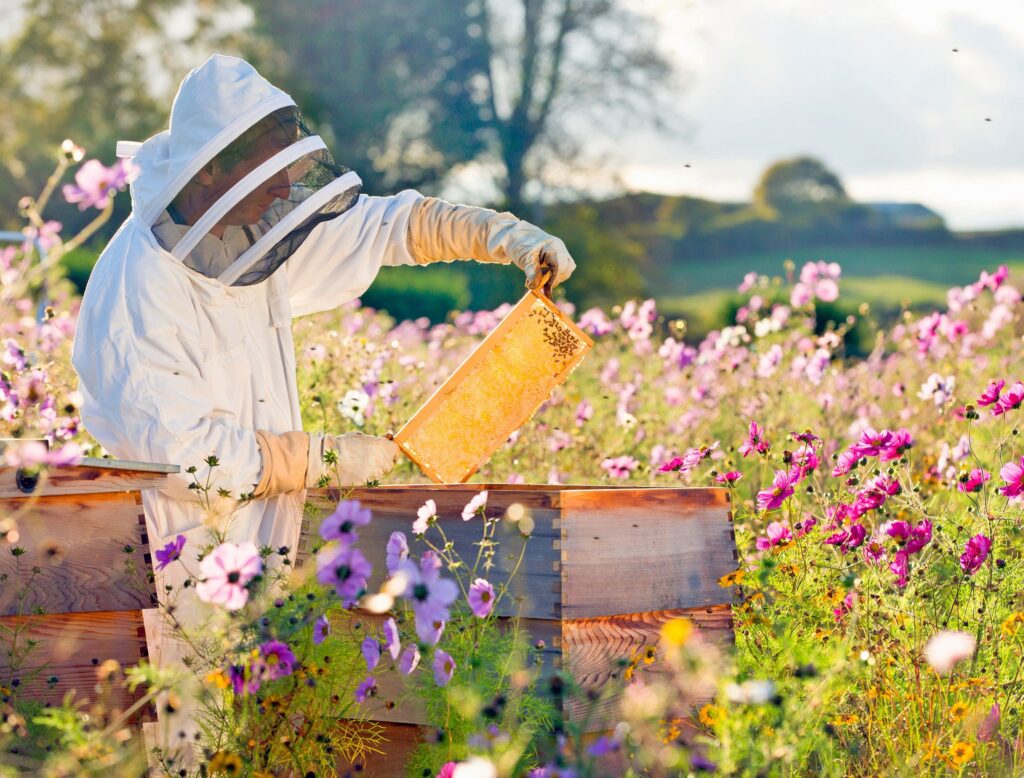
“Urban Beekeeping Success” from www.backyardboss.net and used with no modifications.
Enhancing Urban Beekeeping Practices
To further enhance urban beekeeping practices, beekeepers should stay informed about the latest innovations and collaborate with local authorities and organizations. Embracing new technologies and approaches can lead to more sustainable and effective beekeeping practices.
By fostering a supportive community and sharing knowledge, urban beekeepers can contribute to the health and vitality of bee populations, ensuring their essential role in pollination and urban ecosystems.
Urban beekeeping is gaining popularity in cities around the world as more people become interested in sustainable practices and local food production. Those interested in starting their own urban hive can benefit from resources like the Urban Beekeeping Guide, which offers insights into the benefits, practices, and equipment necessary for successful urban beekeeping.
Innovative Solutions for Urban Apiaries
Urban beekeeping is constantly evolving, with new innovations emerging to address the unique challenges faced by beekeepers in city environments. One such solution is the development of smart hive technology, which uses sensors to monitor hive conditions in real-time. These sensors can track temperature, humidity, and even bee activity, providing beekeepers with valuable data to optimize hive management and pest control efforts.
Another innovative approach is the use of bee-friendly urban landscaping. By planting a diverse array of pollinator-friendly plants, urban beekeepers can create a more supportive environment for their bees. This not only enhances the health of bee colonies but also contributes to the overall biodiversity of urban areas.
Collaborative Efforts with Local Authorities
Working with local authorities can significantly benefit urban beekeepers by ensuring that their practices align with city regulations and community standards. Collaboration can also lead to the development of policies that support urban beekeeping, such as designated apiary zones or incentives for bee-friendly gardening.
Engaging with local government can also facilitate educational initiatives, raising awareness about the importance of bees and encouraging more residents to support beekeeping efforts. By fostering a positive relationship with local authorities, beekeepers can create a more supportive environment for their bees and contribute to the well-being of their communities.
Future Trends in Urban Beekeeping
As urban beekeeping continues to grow, several trends are likely to shape its future. One such trend is the increasing use of technology, with more beekeepers adopting digital tools to monitor and manage their hives. This shift towards tech-savvy beekeeping can lead to more efficient pest control and hive management practices.
Another emerging trend is the focus on sustainability, with beekeepers seeking eco-friendly solutions to reduce their environmental impact. This includes using organic pest control methods, promoting biodiversity through urban planting, and engaging in community education efforts.
Ultimately, the future of urban beekeeping will depend on the ability of beekeepers to adapt to changing environments and embrace innovative solutions that support the health and vitality of their bees, such as using digital hive scales to monitor hive health.
Frequently Asked Questions (FAQ)
As urban beekeeping gains popularity, many new beekeepers have questions about best practices and pest control strategies. Here are some frequently asked questions to help guide you on your beekeeping journey.
What is the best time to apply Pest Control Pads?
The optimal time to apply pest control pads is during the early spring or late fall when pest populations are most vulnerable. Applying the pads at these times can help prevent infestations before they become severe. Regular monitoring is essential to determine the best timing for your specific hive conditions.
Can Pest Control Pads harm the bees?
Pest control pads are designed to target pests without harming the bees. However, it is crucial to follow the manufacturer’s instructions and choose pads that are specifically labeled as safe for bees. Proper placement within the hive also ensures that the pads do not interfere with bee activity.
How do I know if Pest Control Pads are effective?
Effectiveness can be assessed by monitoring pest populations and observing improvements in hive health. Regular hive inspections will help you track pest levels and determine if additional measures are needed. Keeping detailed records of your pest control efforts can also provide valuable insights into the effectiveness of the pads.
Are there any legal restrictions on using Pest Control Pads?
Legal restrictions on pest control pads can vary by location, so it is important to check local regulations before use. Some areas may have specific guidelines regarding the types of pest control methods allowed in urban settings. Consulting with local beekeeping associations or authorities can provide clarity on any legal requirements.
Additionally, being aware of any environmental considerations, such as proximity to water sources or sensitive habitats, can help ensure compliance with local laws and protect the surrounding ecosystem.
How can I involve my community in urban beekeeping?
Involving your community in urban beekeeping can enhance the success of your efforts and raise awareness about the importance of bees. Start by hosting workshops or informational sessions to educate others about beekeeping practices and the benefits of supporting local bee populations.
Consider collaborating with local schools or community organizations to create educational programs or community gardens that promote pollinator-friendly practices. Engaging with local businesses, such as garden centers or farmers’ markets, can also help spread the word and garner support for your beekeeping initiatives.
By fostering a sense of community around urban beekeeping, you can create a network of support that benefits both your bees and the local environment.




Leave a Reply