
Key Takeaways
- Mason bees are highly efficient pollinators, outperforming honeybees by pollinating up to 95% of the flowers they visit.
- Blue Orchard Bees (Osmia lignaria) are ideal for cooler climates and are excellent at pollinating fruit trees.
- Red Mason Bees (Osmia bicornis) are adaptable and thrive in various environments, making them a versatile choice for gardeners.
- Constructing a mason bee house with natural materials like wood or reeds can provide a safe and inviting environment for these pollinators.
- Proper maintenance, including yearly cocoon harvesting and pest control, is essential to ensure a healthy mason bee population.
Why Mason Bees are Essential for Gardens
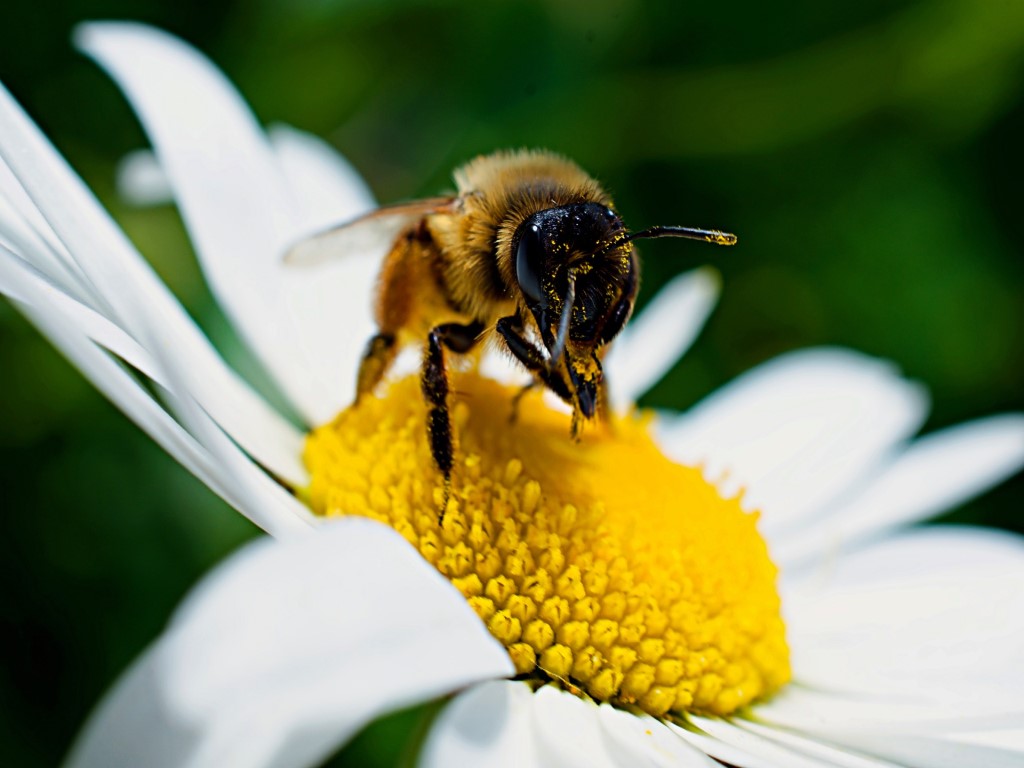
“Help Pollinators in Your Own Backyard …” from naturalsciences.org
Mason bees are nature’s powerhouse pollinators, and if you’re looking to boost your garden’s productivity, they’re your go-to allies. Unlike honeybees, which live in colonies, mason bees are solitary. Each female is responsible for building her own nest and raising her offspring. This independence makes them incredibly efficient at pollination. They visit more flowers per minute, ensuring your plants receive the maximum benefit.
Most importantly, mason bees are gentle creatures. They rarely sting, making them perfect companions for families and community gardens. Their non-aggressive nature allows you to observe them closely, learning about their habits and life cycle without the fear of being stung. By inviting mason bees into your garden, you’re supporting biodiversity and enhancing the health of your plants.
Mason Bees vs. Honeybees: Key Differences
While both mason bees and honeybees play significant roles in pollination, they do so in very different ways. Honeybees live in large colonies with a complex social structure. Their primary focus is on collecting nectar to produce honey, which means they might not always be the most efficient pollinators. On the other hand, mason bees are solitary and focus solely on gathering pollen to feed their young. This single-minded approach makes them more effective at pollinating.
Another key difference is their nesting habits. Honeybees require hives, while mason bees nest in natural cavities like hollow stems or tunnels. This means you can easily create a habitat for mason bees in your garden with minimal effort.
Pollination Benefits of Mason Bees
The pollination efficiency of mason bees is unmatched. They have a unique way of collecting pollen that involves diving headfirst into flowers, which results in more pollen being spread from flower to flower. This ensures that your garden blooms beautifully and produces a bountiful harvest. Whether you’re growing fruit trees, vegetables, or ornamental plants, mason bees can significantly improve your yield. To support their health and productivity, consider exploring various bee health products that can enhance their performance in your garden.
Besides that, mason bees are active in cooler temperatures, making them ideal for early spring pollination. This is particularly beneficial for gardeners in regions with shorter growing seasons, as mason bees can get to work pollinating as soon as the weather warms up.
Environmental Impact and Sustainability
Supporting mason bees in your garden is an environmentally friendly choice. Unlike some commercial pollinators, mason bees are native to many regions, which means they are well-adapted to local climates and ecosystems. By providing a habitat for mason bees, you’re promoting biodiversity and helping to sustain local wildlife.
Furthermore, mason bees require fewer resources to thrive compared to honeybees. They don’t need large hives or complex management, making them a low-maintenance addition to your garden. By fostering mason bees, you’re contributing to a sustainable gardening practice that benefits both your plants and the environment. For more information on how to make mason bees thrive, check out this helpful resource.
Top Mason Bee Species for Houses
Choosing the right mason bee species for your garden can make a significant difference in their effectiveness as pollinators. Different species have unique characteristics and preferences, so it’s important to select the ones that best suit your garden’s conditions. For more insights into supporting bee health, check out these bee health products.
Blue Orchard Bee (Osmia lignaria)
The Blue Orchard Bee is a favorite among gardeners for its exceptional pollination abilities. Native to North America, this species is particularly effective at pollinating fruit trees, including apples, cherries, and plums. Their blue-black metallic color makes them easy to identify as they buzz from flower to flower. For more information on different types of mason bee houses, visit Lawn Care Academy.
One of the standout features of the Blue Orchard Bee is its ability to work in cooler temperatures. This makes them ideal for early spring when other pollinators might still be dormant. By setting up a mason bee house in your garden, you can attract these industrious bees and enjoy a fruitful harvest. For those looking to monitor their bee houses more efficiently, consider investing in one of the best remote hive monitoring systems available.
“Blue Orchard Bees are not only excellent pollinators, but they also have a gentle nature, making them perfect for gardens where children play.”
When constructing a house for Blue Orchard Bees, use natural materials like wood or bamboo. These materials mimic the natural cavities they seek out in the wild. Ensure the house is placed in a sunny spot, protected from rain and strong winds, to encourage the bees to take up residence.
Key Characteristics of Each Species
Each mason bee species has distinct characteristics that make them suitable for different environments and gardening needs. Understanding these traits can help you choose the right species for your garden.
The Blue Orchard Bee, known for its striking blue-black color, thrives in cooler climates and is particularly adept at pollinating fruit trees. Their activity begins in early spring, making them an excellent choice for gardens that require early pollination. These bees are solitary, gentle, and work tirelessly, ensuring a high pollination rate.
In contrast, the Red Mason Bee (Osmia bicornis) is more adaptable to various climates and environments. They are recognizable by their reddish-brown color and are commonly found throughout Europe. These bees are versatile pollinators and can handle a wide range of plants, making them a reliable choice for diverse gardens. For those interested in learning more about beekeeping, there are numerous educational resources available to enhance your skills and techniques.
Another notable species is the Hornfaced Bee (Osmia cornifrons), which is native to Japan but has been successfully introduced to North America. They are highly efficient pollinators, particularly for orchards, and have a robust build that allows them to work in different weather conditions.
Building the Perfect Mason Bee House
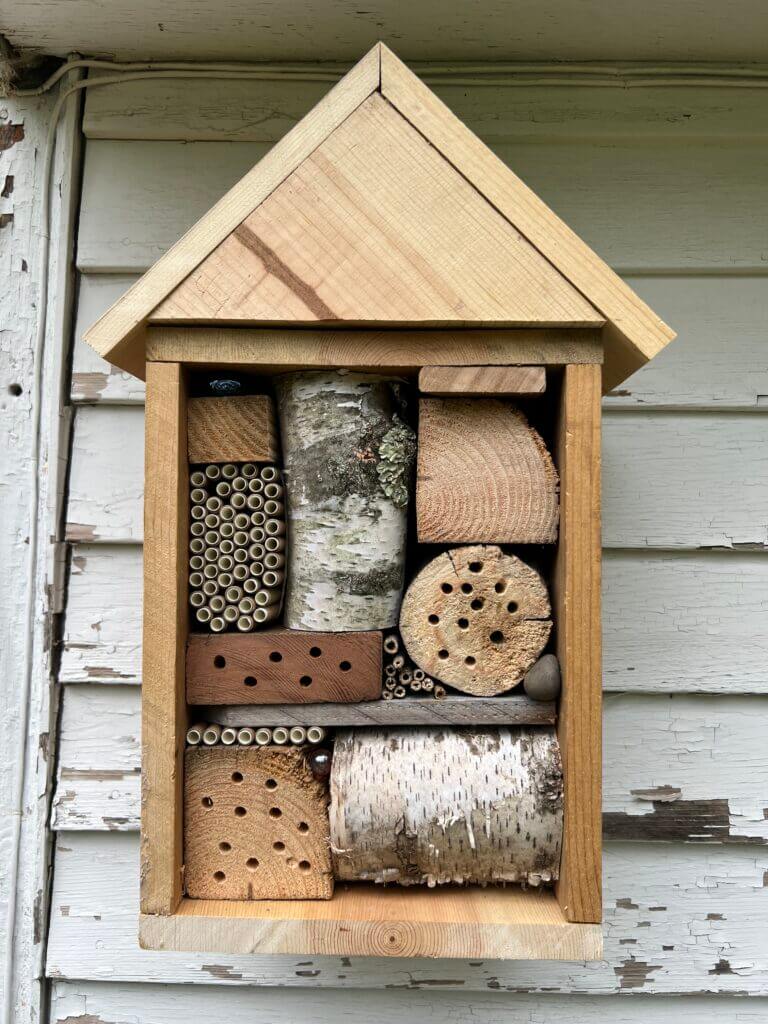
“Mason Bees and the Houses They Live In …” from northerngardener.org
Creating a welcoming environment for mason bees starts with building the perfect bee house. The design and materials of the house are crucial to attracting and supporting these beneficial insects. For those interested in broader beekeeping techniques, you can explore educational resources on beekeeping skills.
First, let’s talk about materials. The best mason bee houses are constructed from natural materials that mimic the bees’ natural nesting sites. Wood, particularly untreated cedar or pine, is an excellent choice because it absorbs moisture and helps prevent mold, a common issue in bee houses.
Best Materials for Construction
When selecting materials for your mason bee house, consider the following beekeeping educational resources options:
- Wood: Use untreated, natural wood like cedar or pine to create a durable and inviting structure.
- Bamboo: Bamboo tubes are a popular choice for mason bee houses. They provide the perfect cavity size for nesting.
- Reeds: Natural reeds offer a lightweight and breathable option for bee houses.
Ensure that the materials are free from chemicals and toxins, as these can harm the bees. The natural scent of the wood or bamboo will attract bees more effectively than synthetic materials.
Recommended Design Features
|
Feature |
Importance |
|---|---|
|
Removable Trays |
Facilitates easy cleaning and cocoon harvesting. |
|
Proper Ventilation |
Prevents mold growth and maintains a healthy environment. |
|
Weather Protection |
Protects bees from rain and strong winds. |
|
Varied Tube Sizes |
Accommodates different bee species. |
Incorporate these features into your bee house design to ensure that it meets the needs of the mason bees. Removable trays are particularly useful for maintaining the house and harvesting cocoons without disturbing the bees.
Besides that, make sure your bee house includes a roof or overhang to shield it from rain. Proper ventilation is essential to prevent moisture buildup, which can lead to mold growth and negatively affect the bees’ health.
Finally, offering a variety of tube sizes in your bee house can attract different mason bee species, enhancing the diversity and effectiveness of your garden’s pollinators.
Optimal Placement in Your Garden
Placement is crucial when setting up a mason bee house. Position the house in a location that receives morning sun, as the warmth helps activate the bees and encourages them to start foraging. An east or southeast-facing spot is ideal.
Ensure the house is sheltered from strong winds and rain, but avoid placing it in complete shade. Bees need sunlight to thrive, and a well-lit area will make the house more attractive to them. Additionally, keep the house at least three feet off the ground to protect it from predators.
Maintaining Your Mason Bee House
Proper maintenance of your mason bee house is essential for sustaining a healthy bee population. Regular upkeep ensures that the bees have a clean, safe environment to thrive.
Yearly Cocoon Harvesting
Harvesting cocoons is a crucial step in maintaining your mason bee house. This process helps prevent the buildup of pests and diseases that can harm the bees. To harvest cocoons, carefully remove the nesting trays or tubes at the end of the season, typically in the fall.
Gently open the trays or tubes and remove the cocoons. Clean the trays with a mild bleach solution to eliminate any parasites or mold. Store the cocoons in a cool, dry place until spring, when they can be returned to the bee house for the next generation of bees.
By taking these steps, you’ll ensure that your mason bee house remains a welcoming and productive environment for years to come. For more information on maintaining healthy bee colonies, consider exploring bee robbing solutions to protect your hive.
Dealing with Pests and Mold
Pests and mold are common challenges when maintaining a mason bee house. Regular inspections can help identify issues early. If you notice any signs of mold, increase ventilation or relocate the house to a sunnier spot. For pest control, ensure that nesting materials are clean and replace any damaged or infested tubes.
Ensuring a Steady Pollen Source
Mason bees rely on a steady supply of pollen to feed their young. Planting a diverse range of flowering plants in your garden can provide the necessary resources for your bees. Focus on native plants that bloom at different times to ensure a continuous pollen supply throughout the season.
By creating a bee-friendly garden, you’ll support the health and productivity of your mason bees, leading to a thriving ecosystem that benefits all your plants.
With these tips, you’ll be well-equipped to build and maintain a successful mason bee house, ensuring your garden thrives with the help of these incredible pollinators.
Conclusion: Encouraging Mason Bee Populations
“Tips for First-Time Gardeners” from www.eatright.org
Encouraging mason bee populations in your garden is a rewarding endeavor that benefits both your plants and the local ecosystem. By understanding their unique characteristics and providing the right habitat, you can create an environment where these pollinators thrive. Mason bees are not only efficient pollinators but also gentle and easy to manage, making them an ideal choice for gardeners of all experience levels.
Final Thoughts on Sustainable Gardening
Sustainable gardening practices are essential for maintaining healthy ecosystems and supporting biodiversity. By incorporating mason bees into your garden, you’re taking a significant step towards sustainability. These bees require minimal resources and management, yet they offer substantial benefits in terms of pollination and plant health.
Besides, promoting native pollinators like mason bees helps preserve local wildlife and plant species. As more gardeners embrace sustainable practices, we can collectively make a positive impact on the environment.
Long-term Impacts on Your Garden Ecosystem
The long-term impacts of fostering mason bee populations in your garden are profound. Increased pollination leads to healthier plants and more abundant harvests, enhancing the overall productivity of your garden. Moreover, by supporting mason bees, you’re contributing to the conservation of native species, which is crucial for maintaining ecological balance.
In the grand scheme of things, encouraging mason bees helps create a resilient garden ecosystem that can withstand environmental challenges and continue to flourish year after year.
Frequently Asked Questions
Many gardeners have questions about how to best support mason bees in their gardens. Here are some common inquiries and their answers to help you get started:
How do I attract mason bees to my garden?
To attract mason bees, provide a suitable habitat with a well-constructed bee house. Plant a variety of flowering plants that bloom at different times to ensure a steady pollen supply. Ensure the bee house is placed in a sunny, sheltered location to encourage bees to take up residence.
What is the best time to set up a mason bee house?
The ideal time to set up a mason bee house is in early spring, just as the weather begins to warm up. This timing coincides with the natural emergence of mason bees, allowing them to find and settle into their new home quickly. For more information on different types of mason bee houses, visit Lawn Care Academy.
How do I clean and store a mason bee house?
Clean your mason bee house at the end of the season by removing the nesting trays or tubes and harvesting the cocoons. Wash the trays with a mild bleach solution to remove any parasites or mold. For more information on maintaining bee health, explore bee health products. Store the cocoons in a cool, dry place until the following spring.
Are there any predators of mason bees I should be aware of?
Yes, some common predators of mason bees include birds, wasps, and mites. To protect your bees, ensure the bee house is well-constructed and placed in a location that minimizes exposure to predators. Regular maintenance and cleaning can also help prevent infestations.
How long do mason bees typically live?
Mason bees have a relatively short lifespan, typically living for about four to six weeks during the spring. During this time, they focus on pollinating and laying eggs for the next generation. The larvae develop over the summer and emerge as adult bees the following spring.


Leave a Reply