
Key Takeaways
- Bamboo bee houses provide a natural and eco-friendly habitat for solitary bees.
- Proper placement is crucial: face the bee house south or southeast to capture morning sunlight.
- Avoid using bamboo that is too large in diameter; aim for 6-10 mm to suit most bees.
- Regular maintenance, such as cleaning and replacing materials, ensures a healthy bee environment.
- Use additional materials like clay or mud to seal the ends of bamboo tubes, mimicking natural nesting conditions.
Crafting the Perfect Bamboo Bee House

“Solitary Bee Houses are Great Additions …” from plantersplace.com
Creating a bamboo bee house is a rewarding way to support local bee populations and enhance your garden’s biodiversity. By providing a safe and appealing habitat, you invite these essential pollinators to thrive in your space. This guide will walk you through each step of building a bamboo bee house, from selecting materials to maintaining the finished product.
Why Bamboo Bee Houses Matter
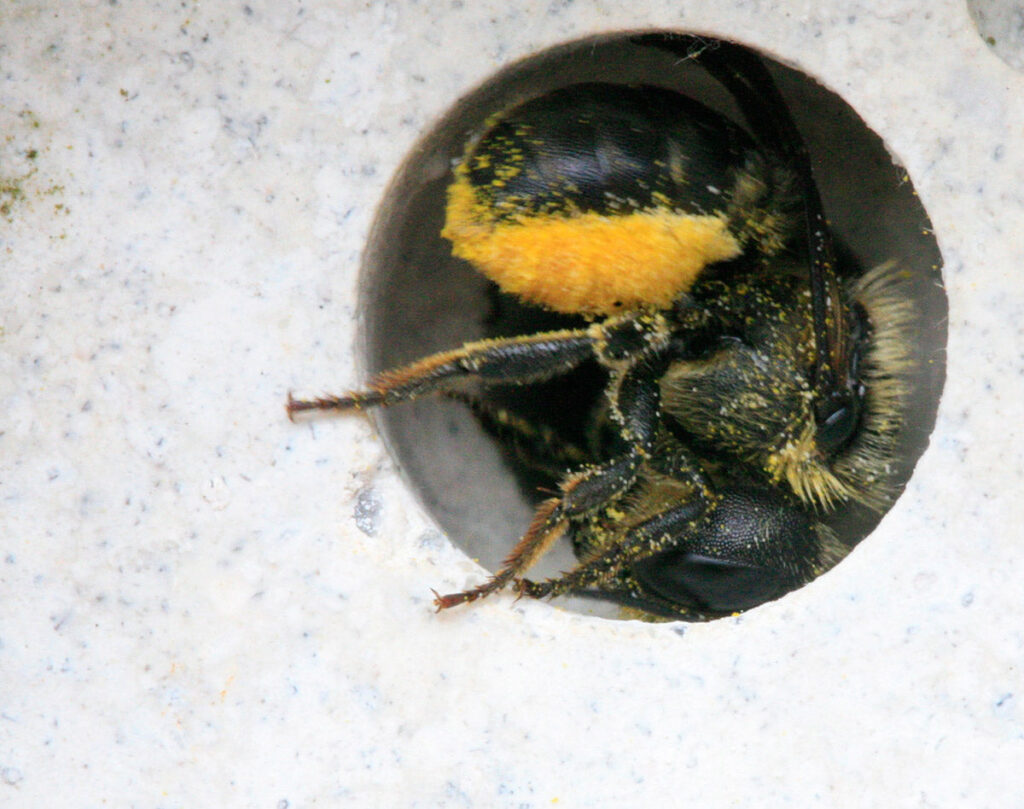
Solitary bees, unlike their hive-dwelling relatives, prefer to nest in small, enclosed spaces. Bamboo, with its naturally hollow stems, provides an ideal nesting environment. These bee houses not only help conserve solitary bees but also boost pollination in your garden, leading to healthier plants and more bountiful harvests.
In addition, bamboo is a sustainable material. It grows quickly and is widely available, making it an eco-friendly choice for your bee house project. By using bamboo, you contribute to environmental conservation while supporting local wildlife.
The Ideal Location for Your Bee House
Location is everything when it comes to bee houses. Bees need warmth to thrive, so place your bee house facing south or southeast to catch the morning sun. This orientation helps warm the bees early in the day, encouraging them to be active pollinators.
Besides that, ensure the bee house is mounted securely to prevent it from swaying in the wind. Bees prefer stable environments. You can attach it to a sturdy post, fence, or wall, at a height of about 3 to 5 feet off the ground. This height keeps the bee house safe from predators and easy for you to monitor.
Common Mistakes to Avoid
Avoid using bamboo with diameters larger than 10 mm. Most solitary bees prefer smaller spaces, so aim for tubes that are between 6 and 10 mm wide.
Another common mistake is neglecting to maintain the bee house. Over time, debris and pests can accumulate, making it uninhabitable for bees. Regular cleaning and replacing of materials ensure a safe environment.
Lastly, do not place the bee house in a shaded or damp area. Bees need warmth and dryness to thrive, so ensure your chosen location is sunny and well-drained. For more tips, check out this guide on how to make a bamboo bee hotel.
Materials You’ll Need
Before you start building, gather all necessary materials. Having everything on hand will make the process smoother and more enjoyable. For additional guidance, check out this bamboo bee hotel guide.
Essential Tools
To construct your bamboo bee house, you will need the following tools:
- A saw for cutting bamboo to size.
- Sandpaper for smoothing rough edges.
- A drill with a small bit for creating drainage holes.
- Twine or wire for securing the bamboo pieces together.
- Protective gear, such as gloves and goggles, for safety.
Finding and Preparing Bamboo
When selecting bamboo, look for sturdy, straight pieces. You can often find bamboo at garden centers or nurseries. If harvesting your own, ensure it’s fully matured and dried to prevent splitting.
Cut the bamboo into sections about 6 to 8 inches long. Use sandpaper to smooth any rough edges, which helps protect the bees as they enter and exit the tubes. Drill a small hole at the back of each piece for drainage, preventing water from accumulating and harming the bees.
Once prepared, your bamboo pieces are ready to be assembled into a bee house. Remember, the right preparation leads to a successful project.
Optional Decorative Materials
Adding decorative elements to your bamboo bee house can make it a charming addition to your garden. Consider using non-toxic paint to add a splash of color. This not only enhances the appearance but can also help protect the bamboo from weathering.
You might also want to incorporate natural elements like small stones or twigs around the base for added stability and aesthetic appeal. Just ensure that any decorations do not obstruct the bee entry points or trap moisture, which could harm the bees. For more insights on beekeeping, explore these educational resources.
Step-by-Step Construction Guide
“solitary bees …” from www.greenandblue.co.uk
Now that you have your materials ready, it’s time to assemble your bamboo bee house. Follow these steps to create a safe and inviting home for your garden’s solitary bees. For additional tips on maintaining a healthy bee environment, consider exploring solutions for stressed colonies.
Cutting and Assembling Bamboo Pieces
Begin by cutting your bamboo into pieces approximately 6 to 8 inches long. Use a fine-toothed saw for clean cuts, and make sure all pieces are roughly the same length for a uniform look.
Once cut, use sandpaper to smooth out any rough edges. This step is crucial as it prevents splinters that could harm the bees. Next, drill a small drainage hole at the back of each bamboo piece to prevent water buildup, which can lead to mold and damage the nesting materials.
Creating a Secure Frame
The frame of your bee house will hold the bamboo pieces together and provide a sturdy structure. You can use a wooden box or crate as a frame, or construct one using untreated wood for a more custom design.
Ensure the frame is deep enough to accommodate the length of your bamboo pieces, with a bit of extra space at the back for airflow. Use nails or screws to secure the frame, making sure it is strong enough to withstand outdoor conditions.
Placement of Bamboo Sections
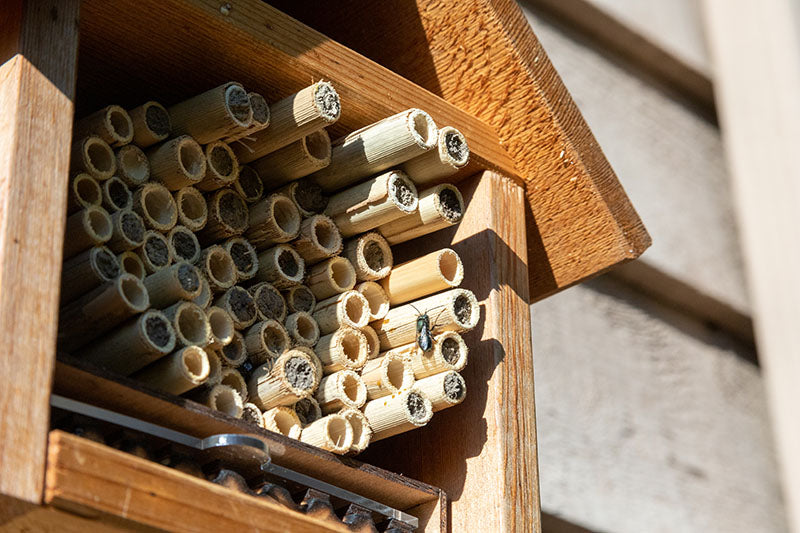
Arrange your prepared bamboo pieces tightly within the frame, with the open ends facing outward. It’s important to pack them snugly to prevent movement and ensure stability. The tighter the fit, the less likely the tubes will shift or fall out.
If desired, you can use twine or wire to further secure the bamboo sections in place. This step is particularly useful if your bee house is located in a windy area. Just be cautious not to obstruct the openings with any securing materials.
Maintaining Your Bamboo Bee House
Once your bamboo bee house is complete and installed, ongoing maintenance is key to its success. Regular upkeep will keep the bees healthy and the house in good condition.
Check your bee house periodically for signs of wear or damage. Look for cracks in the bamboo, loose sections, or any mold growth. Addressing these issues promptly will extend the life of your bee house.
In addition, monitor the bee activity. Healthy bee populations indicate a well-functioning bee house. If you notice a decline in activity, investigate potential issues such as predator presence or environmental changes.
Cleaning and Seasonal Care
At the end of each season, it’s essential to clean the bee house to remove debris and prevent disease. Carefully remove the bamboo sections, and clean them with a soft brush to remove any buildup. Replace any sections that show signs of damage or wear.
Consider storing the bee house indoors during harsh winter months to protect it from extreme weather. This will help prolong its life and keep it ready for the next season of bee activity.
When to Replace Materials
Over time, the bamboo sections may need replacing. Signs that it’s time to replace include splitting, mold, or if the bamboo becomes too brittle. Regularly inspect the bamboo and replace as necessary to ensure a safe and attractive home for your bees. For more detailed guidance, check out this guide on making a bamboo bee hotel.
By maintaining your bamboo bee house and replacing materials as needed, you provide a continuous, healthy habitat for solitary bees, supporting your garden’s ecosystem year after year.
Monitoring Bee Activity
Keeping an eye on bee activity in your bamboo bee house is both exciting and essential. Regular observation helps you understand the health and effectiveness of the habitat you’ve created. Look for bees entering and exiting the bamboo tubes, as this indicates active nesting. Also, check for any signs of predators or parasites, such as wasps or mites, which can threaten the bee population.
If you notice a decline in activity, consider potential environmental factors. Changes in weather, pesticide use in nearby areas, or disturbances to the bee house itself can all impact bee activity. By staying vigilant, you can quickly address any issues and maintain a thriving bee environment.
Final Thoughts and Encouragement for Eco-Friendly Gardeners
“DIY – How To Make A Solitary Bee House” from crownbees.com
Building and maintaining a bamboo bee house is a fulfilling project that supports biodiversity and enhances your garden’s productivity. By providing a safe haven for solitary bees, you contribute to the health of local ecosystems and promote sustainable gardening practices.
Remember, your efforts make a significant difference. Every bee house, no matter how small, plays a role in supporting pollinators and encouraging a balanced natural environment. As you continue to care for your bee house, you’ll likely notice the positive impact on your garden and beyond. Keep up the great work, and enjoy the rewards of your eco-friendly gardening endeavors.
Frequently Asked Questions
Many people have questions about bamboo bee houses, and it’s important to address these to ensure success in your gardening efforts. Here are some common queries and their answers:
How long does a bamboo bee house last?
A well-maintained bamboo bee house can last several years. Regular cleaning and replacing of bamboo sections as needed will extend its life. Protecting it from extreme weather by storing it indoors during winter can also help preserve the structure.
Can I use other materials if I don’t have bamboo?
Yes, other materials can be used to create a bee house. Hollow reeds, paper tubes, or even drilled blocks of wood can serve as alternative nesting options. Just ensure the diameter of the nesting holes matches the preferences of solitary bees, typically between 6 and 10 mm.
When using alternative materials, consider their durability and environmental impact. Choose sustainable options that will last through multiple seasons and provide a safe environment for the bees.
Where should I hang my bee house for the best results?
The ideal location for a bee house is a sunny spot facing south or southeast. This orientation captures the morning sun, which warms the bees and encourages activity. Mount the bee house on a stable surface, such as a fence or wall, about 3 to 5 feet off the ground.
Make sure the location is sheltered from strong winds and heavy rain, as these can disrupt the bees and damage the house. Avoid placing it near areas with frequent human or pet traffic to minimize disturbances.
- Check that the location receives ample sunlight.
- Ensure the bee house is stable and secure.
- Avoid areas with pesticides or heavy foot traffic.
Choosing the right spot is crucial for the success of your bee house, as it influences the comfort and safety of the bees.
How do I attract bees to the bee house?
To attract bees, consider planting a variety of flowering plants nearby. Native flowers are particularly appealing to local bee species. Avoid using pesticides, as these can deter or harm bees.
You can also provide a source of mud or clay near the bee house. Solitary bees often use these materials to seal their nests. By creating a bee-friendly environment, you’ll naturally encourage bees to take up residence in your bamboo bee house.
What type of bees will use a bamboo bee house?
Bamboo bee houses primarily attract solitary bee species, such as mason bees and leafcutter bees. These bees are non-aggressive and excellent pollinators, making them ideal guests for your garden.
By supporting these bees, you enhance the pollination of your plants and contribute to the overall health of your garden ecosystem. Solitary bees are vital for maintaining biodiversity and ensuring the success of many flowering plants. Learn how to create a bee-friendly environment with this DIY guide to making a solitary bee house.
Embrace the opportunity to support these important pollinators, and enjoy the benefits they bring to your garden and the environment.


Leave a Reply