
Key Takeaways
- Urban queen breeding ensures bee colonies thrive in city environments, improving pollination and honey production.
- Strong queens are crucial for colony health, influencing productivity and resilience against diseases.
- Urban beekeepers face unique challenges like limited space and pollution, requiring specific strategies.
- Careful selection of breeding stock, focusing on desirable traits, enhances colony performance.
- Proper tools and equipment are essential for successful queen rearing and maintaining healthy colonies.
A Beginner’s Guide to Urban Queen Breeding
“Queen Bee with Clipboard – Customizable …” from www.presentermedia.com
Urban queen breeding is a fascinating and rewarding endeavor, offering beekeepers the opportunity to enhance the vitality and productivity of their bee colonies. By nurturing strong queens, we can ensure our hives thrive even in the bustling environment of a city. In this guide, I’ll walk you through the essential practices and tips to follow for successful urban queen breeding.
Understanding the Importance of Strong Queens in Urban Areas
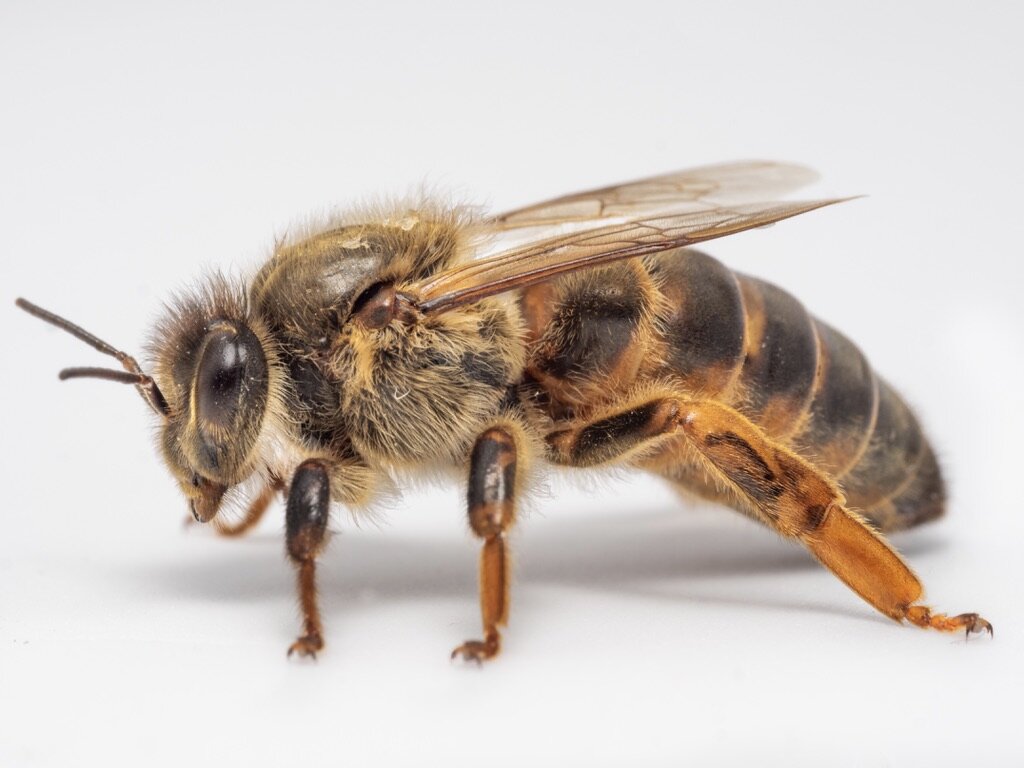
Queens are the heart of any bee colony. They influence everything from the colony’s temperament to its productivity. In urban settings, where space and resources can be limited, having a robust queen becomes even more crucial. A strong queen can lay up to 2,000 eggs a day, ensuring a steady workforce to gather nectar and pollen, and maintain the hive.
Moreover, queens play a pivotal role in the colony’s genetic health. By selecting queens with desirable traits such as disease resistance and high honey production, we can significantly improve the overall quality of the hive. This is especially important in urban areas, where environmental stressors can challenge colony survival.
Challenges Unique to Urban Beekeeping
Urban beekeeping comes with its own set of challenges. Limited space, pollution, and human activity can impact bee health and behavior. These factors necessitate a strategic approach to queen breeding. For instance, urban beekeepers must be mindful of the hive’s location, ensuring it’s away from heavy traffic and pollutants. For more insights on managing these challenges, explore urban beekeeping strategies.
Another challenge is the availability of diverse flora for bees to forage. Unlike rural areas with abundant natural resources, cities may offer limited forage options. Therefore, it’s vital to plant bee-friendly flowers or collaborate with local communities to create green spaces that support bee health.
Selecting and Preparing Your Breeding Stock
Choosing the right breeding stock is the cornerstone of successful queen rearing. It’s essential to evaluate your existing colonies and identify the strongest performers. Look for colonies that exhibit desirable traits such as high honey production, gentle temperament, and resistance to common bee diseases.
Traits to Look for in Queen Bees
When selecting queens for breeding, focus on specific traits that will enhance your colony’s performance. Here are some key characteristics to consider:
- Honey Production: Choose queens from colonies with high honey yields.
- Gentle Temperament: Select queens from calm colonies to ensure easier management.
- Disease Resistance: Opt for queens from colonies that show resilience against diseases like Varroa mites.
- Swarming Behavior: Avoid queens from colonies prone to frequent swarming.
By focusing on these traits, you’ll be well on your way to cultivating a robust and thriving urban bee colony.
Gathering the Right Drone Population
Drones play a crucial role in the queen breeding process. They provide the genetic material needed for the queen to lay fertilized eggs. In urban settings, it’s important to ensure a diverse and healthy drone population. This can be achieved by allowing drones from multiple colonies to congregate in a designated area, enhancing genetic diversity. To learn more about maintaining healthy hives in urban areas, consider exploring urban beekeeping pest control strategies.
Essential Tools and Equipment
Having the right tools and equipment is vital for successful queen rearing. From hive tools to grafting kits, each piece plays a crucial role in the breeding process. Let’s explore the must-have tools for urban beekeepers.
Must-Have Beekeeping Tools
Here’s a list of essential tools every urban beekeeper should have:
- Hive Tool: Used for prying apart hive components and scraping off excess wax.
- Bee Brush: Gently removes bees from frames during inspections.
- Smoker: Calms bees, making hive management easier.
- Grafting Kit: Essential for transferring larvae during the queen rearing process.
- Queen Excluder: Prevents the queen from accessing certain parts of the hive.
These tools will help you efficiently manage your hives and ensure a smooth queen breeding process.
Setting Up a Sustainable Breeding System
Establishing a sustainable breeding system is key to long-term success. This involves creating a dedicated area for queen rearing, away from the main apiary. Ensure this space has adequate ventilation, protection from the elements, and easy access for regular inspections.
Additionally, consider implementing a closed breeding system, where queens mate with selected drones. This allows for greater control over the genetic traits passed on to future generations. By setting up a sustainable system, you’ll be well-equipped to produce strong and healthy queens consistently.
Techniques for Queen Rearing
“Bee Spotlight: Honey Bee Queen — Bee …” from www.beeandbloom.com
Queen rearing involves several techniques, each with its own advantages. Let’s delve into the methods that can help you produce healthy and productive queens in an urban environment.
- Grafting: This technique involves transferring young larvae into special queen cups. It’s precise and allows for the production of multiple queens simultaneously.
- Queenless Starter Colonies: Use colonies without a queen to rear new queens. The absence of a queen stimulates the colony to raise new queens.
- Pre-Feeding and Nutrition: Ensure larvae receive adequate nutrition by feeding the colony before grafting. This promotes healthy queen development.
- Closed vs. Open Breeding Systems: Decide whether to use a closed system for controlled mating or an open system for natural mating. Each has its pros and cons, depending on your goals.
Understanding these techniques will empower you to choose the best method for your urban queen breeding venture. For more detailed insights, explore Queen Rearing Basics.
The Grafting Process Explained
Grafting is a popular method for queen rearing, allowing beekeepers to produce multiple queens at once. The process involves transferring young larvae from worker cells into specially designed queen cups. For those interested in urban beekeeping, understanding pest control strategies can be crucial to maintaining healthy hives. Here’s a step-by-step guide to help you master the grafting process:
- Prepare Your Tools: Gather a grafting tool, queen cups, and a magnifying glass for precision.
- Select Larvae: Choose larvae that are 1-2 days old. Younger larvae have a higher success rate in becoming queens.
- Transfer Larvae: Gently use the grafting tool to lift the larvae and place them into the queen cups.
- Place in Starter Colony: Insert the queen cups into a queenless starter colony to stimulate queen rearing.
- Monitor Progress: Regularly check the colony to ensure the larvae are developing into healthy queens.
With practice, grafting can become a valuable skill in your urban beekeeping toolkit, enabling you to produce strong and healthy queens efficiently. For more information on managing urban hives, check out our guide on urban hive management.
Utilizing Queenless Starter Colonies
Queenless starter colonies are an effective method for rearing new queens. When a colony is without a queen, the worker bees instinctively begin to raise new queens. This natural response can be harnessed by beekeepers to produce strong and healthy queens.
To create a queenless starter colony, remove the existing queen from a colony and ensure there are young larvae present. The absence of the queen’s pheromones will trigger the workers to start feeding the selected larvae with royal jelly, transforming them into potential queens. This method not only capitalizes on the bees’ natural instincts but also allows for a more controlled queen rearing process.
Role of Pre-Feeding and Nutrition
Nutrition plays a crucial role in the development of queen bees. Pre-feeding the colony before starting the queen rearing process ensures that the larvae have access to abundant resources. This is vital for producing healthy queens capable of laying thousands of eggs daily. For more insights on maintaining healthy colonies, explore sustainable beekeeping practices.
To enhance the nutritional status of your colony, provide supplemental feeding in the form of sugar syrup or pollen patties. This ensures that the worker bees have the energy and resources to produce ample royal jelly, which is essential for developing robust queens. Remember, well-fed bees are more likely to rear strong and healthy queens.
Employing Closed vs. Open Breeding Systems
When it comes to queen breeding, you have the option of using closed or open breeding systems. Each has its advantages and challenges, and the choice largely depends on your goals and resources.
A closed breeding system involves controlling the mating process by isolating the queen with selected drones. This method allows for precise genetic control, ensuring the desired traits are passed on to the next generation. However, it requires specialized equipment and careful management. For more insights, explore urban hive management strategies.
On the other hand, an open breeding system lets queens mate naturally with drones in the surrounding environment. While this method is more accessible and less resource-intensive, it offers less control over the genetic outcomes. Both systems can be effective, but your choice should align with your breeding objectives and available resources. For more insights on managing resources effectively, check out our guide on sustainable beekeeping practices.
Creating an Optimal Environment for Queen Breeding
“The environment in which you rear your queens can significantly impact their health and productivity. Creating an optimal environment is key to successful queen breeding. For more insights, explore sustainable beekeeping practices that can enhance your methods.” – Dr. Marla Spivak
“How to Install a Queen Bee” from www.dadant.com
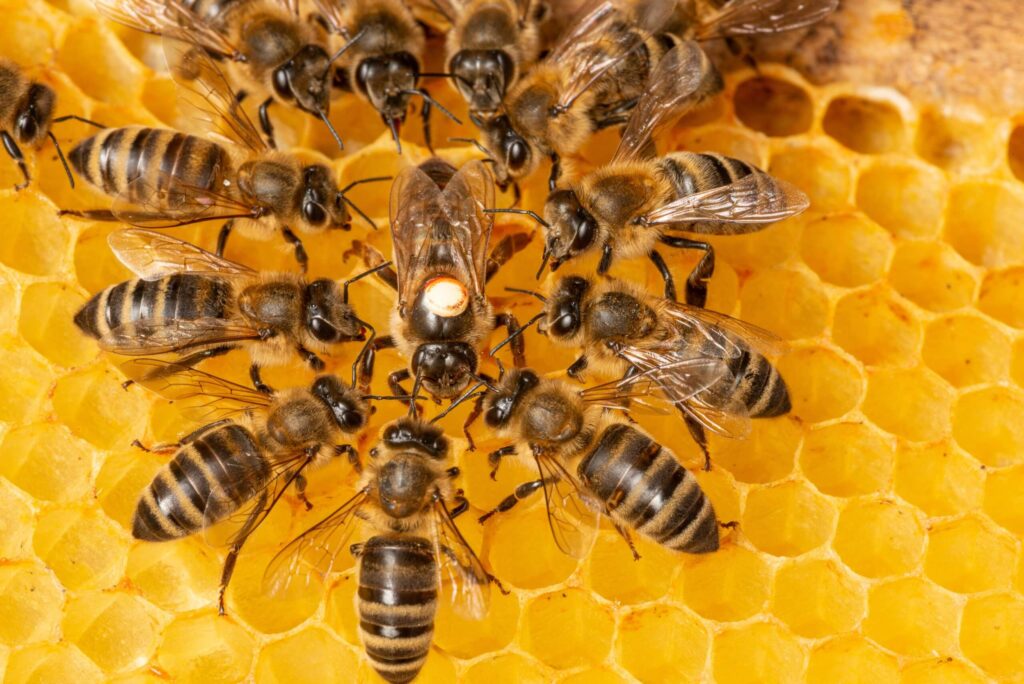
To ensure your queens develop into strong and productive leaders, it’s essential to create an environment that supports their growth. This includes managing factors like temperature, humidity, and protection from pollutants.
Consider setting up a dedicated queen rearing area, away from the main apiary. This space should be well-ventilated and protected from extreme weather conditions. By creating an optimal environment, you’ll be setting the stage for successful queen breeding outcomes.
Maintaining Hive Temperature and Humidity
Temperature and humidity play critical roles in the development of queen bees. Maintaining the right conditions within the hive is crucial for the health and productivity of your queens.
Queens require a stable temperature of around 93°F (34°C) for optimal development. Use insulation or hive heaters to maintain this temperature, especially in colder climates. Additionally, ensure proper ventilation to prevent excess humidity, which can lead to mold and other issues.
Regularly monitor the hive’s internal conditions and make adjustments as needed. By keeping the temperature and humidity within optimal ranges, you’ll support the healthy development of your queens.
Managing Urban Pollutants and Stressors
Urban environments present unique challenges for beekeepers, including exposure to pollutants and stressors that can impact bee health. It’s essential to take proactive measures to manage these factors and ensure the well-being of your colonies.
Locate your hives away from heavy traffic areas and industrial sites to minimize exposure to pollutants. Additionally, plant a variety of nectar-rich flowers nearby to provide a clean and abundant food source for your bees. By creating a supportive environment, you can mitigate the impact of urban stressors on your bee colonies. For more insights, explore urban beekeeping pest control strategies.
Ensuring Queen Health and Longevity
Healthy queens are the backbone of a thriving bee colony. To ensure their longevity and productivity, regular health checks and proactive management are essential. For those managing urban hives, utilizing urban hive management techniques can further support queen health and colony success.
Begin by establishing a routine inspection schedule to monitor the health of your queens. Look for signs of disease, physical damage, or other issues that could impact their ability to lay eggs. Early detection of problems allows for timely intervention and prevents further complications. For additional strategies, consider exploring urban beekeeping pest control methods to maintain a healthy hive environment.
Regular Inspections and Health Checks
Conducting regular inspections is a fundamental aspect of beekeeping. These checks allow you to assess the overall health of your hive and address any issues promptly.
During inspections, observe the queen’s egg-laying pattern and check for signs of diseases such as Varroa mites or Nosema. Additionally, ensure the queen is not showing signs of age or wear, which could affect her productivity. By staying vigilant and conducting regular health checks, you can maintain the vitality of your queen and colony.
Dealing with Common Urban Bee Diseases
Urban environments can expose bees to various diseases and pests. It’s crucial to be aware of these threats and take steps to protect your colonies. For more information on bee management, consider exploring honey bee breeding program design.
- Varroa Mites: Regularly monitor and manage mite levels using treatments such as formic acid or oxalic acid.
- Nosema: Ensure proper hive hygiene and provide supplemental feeding to strengthen the bees’ immune systems.
- Chalkbrood: Maintain optimal humidity levels and provide adequate ventilation to prevent this fungal disease.
By staying informed and proactive, you can effectively manage common urban bee diseases and safeguard the health of your colonies. For more insights on urban hive management, consider exploring this seasonal guide.
Ensuring queen health and longevity requires a combination of regular inspections, proactive management, and a supportive environment. By prioritizing these aspects, you’ll be well-equipped to maintain strong and productive bee colonies in urban settings. For more insights, explore sustainable beekeeping practices that contribute to a thriving apiary.
Tips for Successful Breeding Outcomes
Achieving successful breeding outcomes involves more than just technical skills. It requires a holistic approach that considers various factors influencing the health and productivity of your queens and colonies. For those interested in understanding the foundational principles, exploring Queen Rearing Basics can be an invaluable resource.
Record Keeping for Progress Tracking
Effective record keeping is a vital component of successful queen breeding. By documenting your observations and actions, you can track progress and make informed decisions.
Maintain detailed records of each queen’s lineage, traits, and performance. This information will help you identify patterns, assess the success of your breeding program, and make necessary adjustments. With thorough record keeping, you’ll have a valuable tool for optimizing your queen breeding efforts.
Culling and Selecting for Desired Traits
Culling is an essential practice in queen breeding, allowing you to refine the genetic traits of your colonies. By removing queens that do not meet your standards, you can focus on developing colonies with the most desirable characteristics. This process requires careful observation and evaluation of each queen’s performance.
Look for queens that consistently produce high yields of honey, exhibit gentle behavior, and show resistance to common diseases. By selectively breeding from these queens, you can enhance the overall quality of your apiary and ensure the success of your urban beekeeping venture.
Consistently Evaluating Colony Performance
Regular evaluation of colony performance is crucial for maintaining healthy and productive bee colonies. This involves assessing various factors, including honey production, brood pattern, and overall colony health. By consistently monitoring these aspects, you can identify areas for improvement and make informed decisions about your breeding program.
Use your observations to adjust your management practices and optimize the conditions for queen rearing. Regular evaluation not only helps in maintaining colony health but also guides you in selecting the best queens for breeding, ensuring the long-term success of your urban beekeeping efforts.
Conclusion: Sustaining Urban Beekeeping Ventures
Urban queen breeding is an exciting and rewarding pursuit that offers beekeepers the opportunity to enhance their colonies’ health and productivity. By following the best practices and tips outlined in this guide, you can successfully rear strong and healthy queens, even in the challenging environment of a city. For more insights on managing urban hives, explore this urban hive management guide.
Remember, the key to successful queen breeding lies in careful planning, meticulous record keeping, and regular evaluation of your colonies. By prioritizing these aspects, you’ll be well-equipped to sustain your urban beekeeping venture and contribute to the conservation of bee populations in urban areas.
Empowering Future Generations of Beekeepers
As we look to the future, it’s essential to empower the next generation of beekeepers with the knowledge and skills needed for successful queen breeding. By sharing your experiences and insights, you can inspire others to embark on their own beekeeping journeys and contribute to the preservation of these vital pollinators.
Balancing Conservation and Production
Urban beekeeping offers a unique opportunity to balance conservation efforts with honey production. By focusing on sustainable practices and promoting biodiversity in urban areas, we can support healthy bee populations while enjoying the fruits of our labor. This balance is crucial for the long-term success of urban beekeeping and the health of our planet.
By following the best practices for urban queen breeding, you can make a meaningful impact on both your local environment and the global effort to preserve bee populations. Your commitment to sustainable beekeeping practices will not only benefit your colonies but also contribute to the broader conservation of these essential pollinators.
Frequently Asked Questions (FAQ)
As you embark on your urban queen breeding journey, you may have some questions. Here are answers to some of the most common inquiries to help guide you along the way.
What Makes a Good Breeder Queen?
A good breeder queen exhibits several key traits, including high honey production, gentle temperament, and disease resistance. Additionally, she should have a strong egg-laying pattern and show minimal signs of swarming behavior. By selecting queens with these characteristics, you can enhance the overall quality and productivity of your colonies. For more insights, consider exploring honey bee breeding program design.
How Do I Start a Queen Breeding Program in an Urban Environment?
Starting a queen breeding program in an urban environment involves careful planning and preparation. Begin by selecting strong colonies with desirable traits and gather the necessary tools and equipment for queen rearing. Establish a dedicated breeding area and choose the appropriate breeding system, whether closed or open, to suit your goals and resources.
What Challenges Might I Face in Urban Queen Breeding?
Urban queen breeding presents unique challenges, including limited space, exposure to pollutants, and reduced forage options. These factors require strategic planning and proactive management to ensure the health and productivity of your colonies. By addressing these challenges, you can create a supportive environment for successful queen rearing.
How Often Should Queen Bees Be Replaced?
Queens are typically replaced every 1-2 years to maintain colony productivity and health. Regular inspections can help determine when a queen is no longer performing optimally, allowing for timely replacement and ensuring the ongoing success of your beekeeping efforts.
Replacing queens at the right time ensures your colonies remain strong and productive. By monitoring your queens’ performance, you can make informed decisions about when to introduce new queens into your hives. For more insights on this, consider exploring queen rearing basics.
What Are the Most Effective Breeding Systems for Urban Beekeeping?
Both closed and open breeding systems can be effective in urban beekeeping, depending on your goals and resources. Closed systems offer greater control over genetic traits, while open systems are more accessible and less resource-intensive. Consider your specific objectives and available resources when choosing the most suitable system for your queen breeding program.
“The choice between closed and open breeding systems depends on your goals and resources. Each system has its advantages, so choose the one that aligns with your objectives and available resources.” – Dr. Marla Spivak
By understanding the strengths and limitations of each system, you can make informed decisions and optimize your urban queen breeding efforts.
With these insights and best practices, you’re now equipped to embark on your urban queen breeding journey. Remember, the key to success lies in careful planning, consistent evaluation, and a commitment to sustainable beekeeping practices. Happy beekeeping!
Urban beekeeping has gained popularity in recent years, with many city dwellers embracing this rewarding hobby. One of the key challenges faced by urban beekeepers is managing pests that can affect hive health. To address this, it’s important to implement effective pest control strategies that are specifically designed for urban environments. By doing so, beekeepers can ensure the health and productivity of their hives.




Leave a Reply