Key Takeaways
- Regular hive inspections and seasonal maintenance are crucial to keeping your Langstroth observation hive healthy and productive.
- In spring, focus on cleaning the hive, assessing colony strength, and preventing swarming to ensure a successful season.
- Summer maintenance includes regulating temperature, monitoring honey production, and managing pests and diseases.
- Fall preparation involves reducing hive size, ensuring adequate food stores, and performing final inspections before winter.
- Winter care focuses on insulation, ventilation, and monitoring for moisture and pests to keep the bees safe and warm.
Importance of Seasonal Maintenance for Langstroth Observation Hives
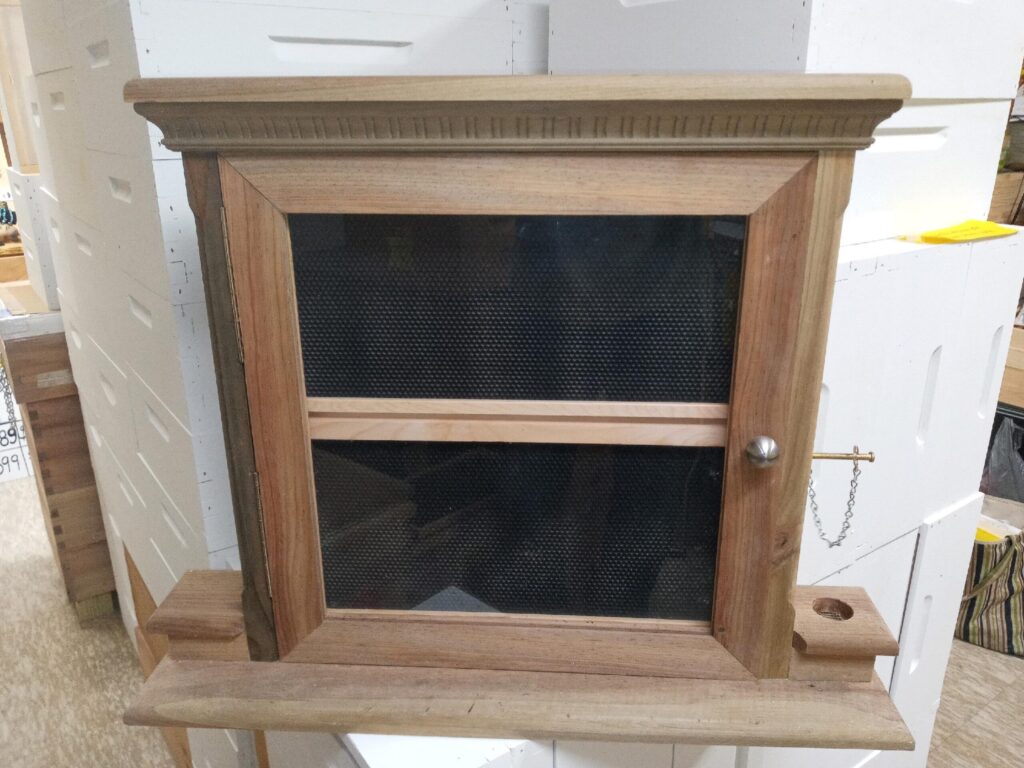
“Observation Hive – Large – Bearsville Bees” from bearsvillebees.com
Keeping a Langstroth observation hive thriving throughout the year requires more than just enthusiasm. It demands a clear understanding of seasonal maintenance and the willingness to act on it. Bees are incredibly resilient creatures, but they need our help to flourish in the changing seasons. Each season brings unique challenges and opportunities for beekeepers to ensure their hives remain healthy and productive.
Why Regular Maintenance is Crucial
Regular maintenance is the backbone of successful beekeeping. It ensures that your bees have everything they need to thrive, from food and space to protection from pests and diseases. By performing consistent checks and making necessary adjustments, you can prevent small issues from becoming significant problems. Besides that, regular maintenance helps you stay in tune with your hive’s needs, allowing you to respond quickly to any changes or challenges.
Overview of Langstroth Observation Hives
Langstroth observation hives offer a unique window into the fascinating world of bees. They allow beekeepers to observe the daily activities and behaviors of their colonies without disturbing them. These hives are designed with removable frames, making it easier to inspect and manage the bees. Understanding how these hives work and the specific needs they have is essential for effective maintenance.
- Design: Langstroth hives feature vertically hanging frames in a rectangular box.
- Accessibility: The removable frames allow for easy inspection and honey harvesting.
- Observation: Clear panels in observation hives provide a view into the hive’s interior.
Benefits of a Well-Maintained Hive
A well-maintained hive is more than just a source of honey; it’s a thriving ecosystem that supports the health and productivity of your bees. Proper maintenance ensures that your bees have the resources they need to produce honey, pollinate plants, and survive through the seasons. It also helps prevent diseases and pests, which can devastate a colony if left unchecked.
Moreover, a healthy hive contributes to the broader environment by supporting biodiversity and plant pollination. By keeping your hive in top condition, you’re playing a vital role in maintaining the balance of nature.
- Increased honey production
- Improved colony health and longevity
- Enhanced pollination of local flora
- Reduced risk of disease and pest infestations
Spring: Preparation for a Productive Season
Spring is a time of renewal and growth, both for the natural world and for your bees. As the weather warms and flowers begin to bloom, your hive will become more active, and your bees will start building up their colony. This season is critical for setting the stage for a successful year, so it’s essential to start with a thorough inspection and cleaning. For more detailed guidance, check out this Seasonal Beekeeping Checklist.
Hive Inspection and Cleaning
Begin your spring maintenance with a comprehensive inspection of your hive. Look for signs of disease, pests, and any damage to the hive structure. It’s crucial to address these issues early before they have a chance to affect the colony’s health.
Cleaning the hive is equally important. Remove any debris, dead bees, or old comb that could harbor diseases. This will create a clean and healthy environment for your bees to thrive. For further insights on maintaining bee health, explore these bee health products that can enhance your hive management practices.
Assessing Colony Strength
- Check the size and activity level of the colony.
- Look for a healthy queen and ensure she’s laying eggs.
- Evaluate the brood pattern for signs of disease or stress.
A strong colony is essential for a productive season. By assessing your colony’s strength, you can make informed decisions about supplemental feeding, adding new frames, or even splitting the hive if it’s overcrowded.
Most importantly, a healthy queen is vital for the colony’s success. If you notice any issues with her performance, consider replacing her to ensure the colony remains strong and productive.
Supplemental Feeding Strategies
Spring can be a challenging time for bees as they transition from winter. Depending on the availability of natural forage, you may need to provide supplemental feeding to support your colony’s growth. Sugar syrup and pollen patties are common options to give your bees the energy and nutrients they need to build up their strength.
Monitor your bees’ activity and food stores closely to determine when and how much to feed them. Overfeeding can lead to honey contamination, so it’s essential to strike the right balance. During times of nectar scarcity, consider using bee nectar substitute products to support your hive.
Preventing Swarming
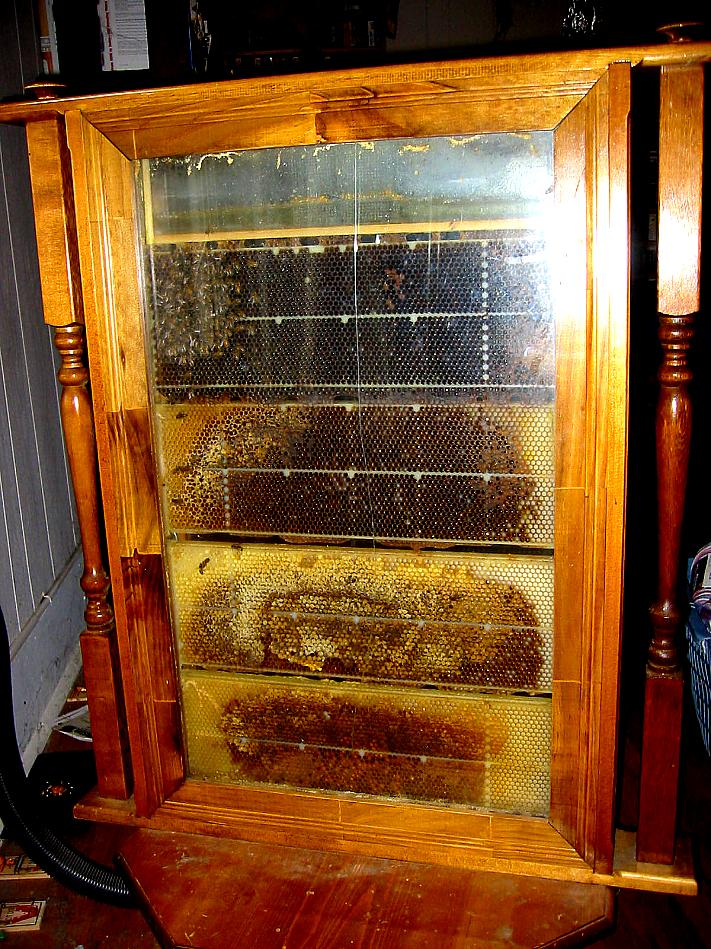
“Observation hives, Michael Bush” from www.bushfarms.com
Swarming is a natural process where a portion of the colony leaves to form a new hive. While it’s a sign of a healthy hive, it can also reduce your colony’s strength and productivity. To prevent swarming, make sure your bees have enough space to expand. Adding new frames or supers can help accommodate their growth and reduce the likelihood of swarming.
Regular inspections and management practices can help you identify early signs of swarming and take preventive measures. By staying proactive, you can keep your colony strong and productive throughout the season.
Temperature Regulation Techniques
Summer brings warmth and plenty of blooms, but it also poses the challenge of keeping your hive cool. Bees work tirelessly to maintain the internal temperature of the hive, but as a beekeeper, you can lend a hand. Proper temperature regulation is crucial for the health of your bees and the quality of your honey.
To help your bees manage the heat, consider providing shade for your hive. Placing it under a tree or using a shade cloth can reduce direct sunlight exposure. Additionally, ensure your hive has adequate ventilation by adjusting the entrance size or adding ventilation holes. This helps prevent overheating and allows bees to focus on their work rather than cooling the hive. For more advanced hive management, you might explore remote hive monitoring systems to keep track of temperature and humidity levels.
Lastly, make sure your bees have access to a clean water source. They use water to cool the hive and regulate humidity. By providing a shallow dish with pebbles for the bees to land on, you can ensure they stay hydrated and efficient in their tasks.
Monitoring Honey Production
- Regularly check the weight of the hive to assess honey stores.
- Inspect frames for capped honey and brood patterns.
- Harvest honey when the majority of the frames are filled and capped.
Monitoring honey production is an essential part of summer hive management. It helps you understand your colony’s productivity and ensures they have enough stores for winter. Regularly inspect your frames for capped honey, which indicates it’s ready for harvest. Remember, only harvest honey from frames that are mostly capped to maintain quality.
Keep an eye on the weight of your hive, as this can indicate the amount of honey stored. A sudden decrease in weight may signal a problem, such as robbing or a dwindling colony. By staying vigilant, you can address issues promptly and keep your hive thriving.
When harvesting honey, be sure to leave enough for the bees to sustain themselves. They rely on these stores for energy, especially during times when nectar is scarce. By balancing your harvest with the needs of your bees, you ensure their continued health and productivity.
Managing Pests and Diseases
Pests and diseases are persistent threats to your hive’s well-being, especially during the active summer months. Varroa mites, wax moths, and foulbrood are common issues that can quickly devastate a colony if left unchecked. Regular inspections and proactive management are key to keeping these threats at bay.
During your inspections, look for signs of infestation or disease. Varroa mites, for instance, can be detected through a simple sugar roll or alcohol wash test. If you find evidence of pests, take immediate action to control the problem. Natural treatments, such as essential oils or powdered sugar dusting, can be effective against mites.
Besides that, maintaining a clean and organized hive helps prevent pest infestations. Remove debris and old combs, and keep the area around the hive tidy. By staying proactive, you can protect your bees and ensure a healthy hive environment.
Fall: Preparing for Winter
As the days grow shorter and temperatures drop, your focus should shift to preparing your hive for winter. Fall is the time to ensure your bees have everything they need to survive the colder months. This includes reducing the hive size, insulating it, and making sure they have adequate food stores. For more detailed guidance, check out this seasonal guide to beekeeping.
Reducing Hive Size and Insulation
- Remove empty frames and supers to reduce space.
- Install insulation around the hive to retain heat.
- Consider using a hive wrap or windbreak for additional protection.
Reducing the size of your hive helps the bees maintain warmth by concentrating their efforts in a smaller space. Remove any empty frames or supers, and consolidate the bees into a single, compact area. This allows them to cluster more effectively and conserve heat.
Insulation is also crucial for winter survival. Use materials like foam boards or straw bales to insulate the hive. A hive wrap or windbreak can provide additional protection from harsh winds and temperature fluctuations. These measures help your bees stay warm and conserve energy during the winter.
Most importantly, ensure your hive is well-ventilated to prevent moisture buildup. Excess moisture can be more detrimental to bees than cold, so proper ventilation is essential for their health.
Ensuring Adequate Food Stores
Food stores are vital for your bees’ survival during winter when foraging is not possible. It’s your responsibility to make sure they have enough resources to last until spring. Begin by assessing their current honey stores and supplementing if necessary. For more detailed guidance, you can refer to this seasonal guide to beekeeping.
Feeding your bees in the fall can help bolster their reserves. Sugar syrup is a common choice, but make sure it’s thick enough to prevent fermentation. You can also provide fondant or candy boards as an additional food source.
- Check honey stores and add supplemental feeding if needed.
- Use sugar syrup, fondant, or candy boards for additional nourishment.
- Monitor food stores throughout the fall and adjust feeding as necessary.
By ensuring your bees have adequate food stores, you’re giving them the best chance of surviving the winter. Regularly monitor their stores and adjust feeding as needed to keep them healthy and well-nourished.
Final Inspections Before Winter
Before winter sets in, conduct a final inspection of your hive. Check for any lingering issues, such as pests, diseases, or structural damage. Address these problems promptly to ensure your hive is in the best possible condition for winter. For more information on dealing with pests, explore our guide on bee health products.
Seal any cracks or gaps in the hive to prevent drafts, and make sure the entrance is clear of debris. A mouse guard can help protect your hive from unwanted intruders seeking warmth during the colder months.
By taking these steps, you can confidently transition your hive into winter, knowing you’ve done everything possible to support your bees.
Winter: Keeping the Bees Safe and Warm
Winter is a challenging time for bees, but with the right preparations, they can emerge healthy and ready for the new season. Your primary focus during this time should be keeping your bees safe and warm, while ensuring they have enough food to sustain them.
Insulation and ventilation are key to maintaining a stable environment within the hive. Additionally, regular monitoring can help you identify any issues early and take corrective action.
Insulation and Ventilation
Proper insulation is essential for conserving heat within the hive. However, it’s equally important to maintain adequate ventilation to prevent moisture buildup. Moisture can lead to mold and disease, which can be detrimental to your bees. For more tips on maintaining a healthy hive, check out this guide to maintaining a healthy beehive.
Ensure your hive has sufficient airflow by keeping the entrance partially open and using ventilation holes. This allows moisture to escape while retaining warmth. Regularly check for condensation and adjust ventilation as needed to keep the hive dry.
By balancing insulation and ventilation, you create a stable environment that supports your bees’ health and well-being throughout the winter.
Winter Feeding Options
Feeding your bees during winter can help ensure they have enough resources to survive. Fondant or candy boards are popular options, as they provide a solid food source that won’t spoil in cold temperatures. These can be placed directly on top of the frames, allowing easy access for the bees.
Monitor your bees’ food stores throughout the winter and replenish as needed. If you notice a decrease in activity or weight, it may be time to provide additional feeding. By staying attentive, you can support your bees’ nutritional needs and help them emerge strong in the spring. To enhance your hive management, consider using remote hive monitoring systems for real-time insights.
Monitoring for Moisture and Pests
Even in winter, pests and moisture can pose a threat to your hive. Regularly check for signs of moisture buildup and adjust ventilation as needed to keep the hive dry. Inspect for pests such as mice, which may seek shelter in your hive during the colder months. For more comprehensive hive management, consider using beekeeping software to streamline your inspection processes.
Taking these precautions helps ensure your bees remain healthy and protected throughout the winter. By staying vigilant and proactive, you can support your hive and look forward to a successful new season.
Tools and Equipment for Effective Hive Maintenance
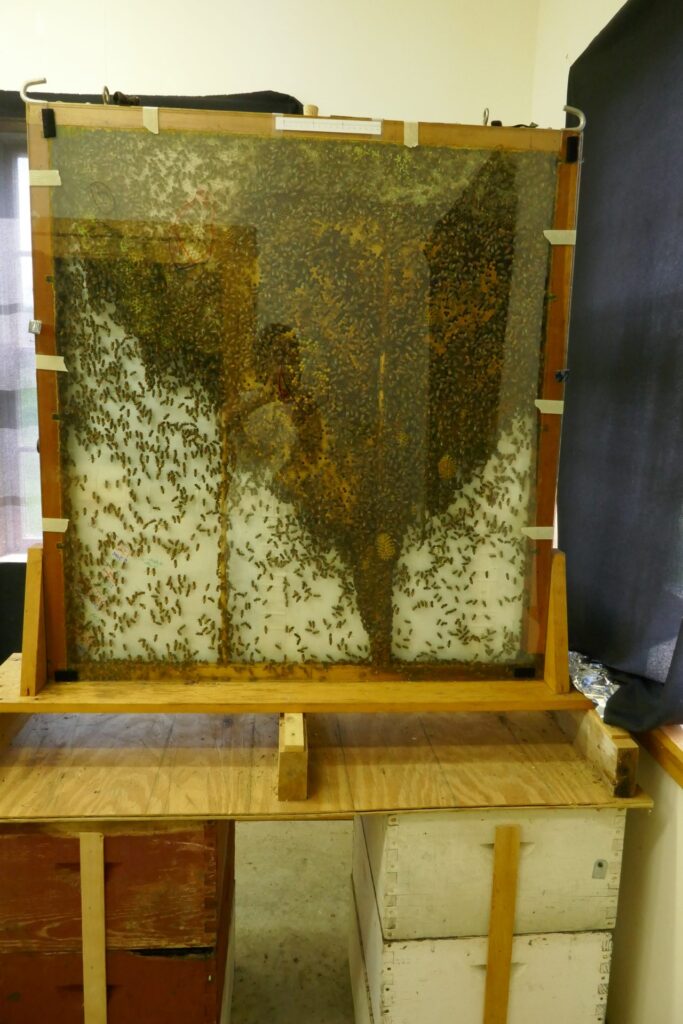
“Managing an Observation Hive Through …” from www.beelistener.co.uk
Having the right tools and equipment is essential for maintaining your Langstroth observation hive effectively. The tools you choose can make the difference between a smooth inspection and a stressful experience for both you and your bees. Let’s dive into the must-have tools for beekeepers at various stages of their journey.
Essential Tools for the Beginner Beekeeper
If you’re just starting out, it’s important to equip yourself with the basics. These tools will help you perform routine maintenance and inspections with ease. Here’s what you’ll need:
- Hive Tool: This versatile tool is used for prying apart frames, scraping off excess wax, and removing propolis.
- Bee Suit and Veil: Protective clothing is crucial for preventing stings and ensuring your safety during inspections.
- Smoker: A smoker helps calm the bees, making it easier to work with them and reducing the risk of stings.
- Brush: A soft bee brush is used to gently move bees off frames during inspections.
- Feeder: A feeder allows you to provide supplemental food to your bees when natural forage is scarce.
With these tools in hand, you’ll be well-prepared to start your beekeeping journey and keep your hive in good condition.
Advanced Equipment for Experienced Beekeepers
As you gain experience, you may want to invest in more advanced equipment to enhance your hive management. These tools can improve efficiency and provide deeper insights into your hive’s health:
- Queen Excluder: This device prevents the queen from accessing certain parts of the hive, allowing for better brood management.
- Frame Grip: A frame grip makes it easier to lift frames during inspections, reducing the risk of dropping them.
- Refractometer: This tool measures the moisture content of honey, ensuring it’s ready for harvest.
- Varroa Mite Test Kit: A test kit helps you monitor and manage varroa mite infestations effectively.
- Observation Window: An observation window allows you to monitor your bees without disturbing them.
These advanced tools can help you manage your hive more effectively and ensure the long-term health of your bees. For additional insights, explore the best remote hive monitoring systems available today.
Conclusion: Ensuring a Healthy Hive Year-Round
Maintaining a Langstroth observation hive requires dedication and attention to detail. By following seasonal maintenance tips and using the right tools, you can ensure your hive remains healthy and productive throughout the year. From spring preparations to winter care, each season presents unique challenges and opportunities to support your bees.
Remember, regular inspections, proactive management, and a commitment to learning are key to successful beekeeping. By staying engaged and informed, you can enjoy the rewards of a thriving hive and contribute to the well-being of the environment.
Frequently Asked Questions
As a beekeeper, you may have questions about maintaining your Langstroth observation hive. For more detailed information, you can explore beekeeping educational resources to help you along the way.
How often should I perform maintenance on my Langstroth observation hive?
Regular maintenance is essential for the health of your hive. Inspections should be conducted every 7-10 days during the active seasons of spring and summer. This frequency allows you to monitor the hive’s condition and address any issues promptly.
For example, “In spring, I check my hive weekly to ensure the queen is laying eggs and the colony is growing strong,” says an experienced beekeeper.
During fall and winter, inspections can be less frequent, but it’s important to monitor food stores and ventilation regularly. For more detailed information, check out this seasonal guide to beekeeping.
What are the signs that my hive needs immediate attention?
Several signs may indicate your hive needs urgent care, and understanding these can be crucial for effective remote hive monitoring.
- Sudden decrease in bee population or activity
- Presence of pests such as varroa mites or wax moths
- Unusual odors or signs of disease in the brood
- Excessive moisture or mold inside the hive
If you notice any of these signs, take immediate action to address the issue and protect your bees.
Can hives survive the winter without additional insulation?
While some hives may survive mild winters without extra insulation, it’s generally recommended to provide additional protection. Insulation helps conserve heat and reduce energy expenditure for your bees. Without it, they may struggle to maintain a stable temperature, leading to increased stress and potential colony loss.
Consider using foam boards, straw bales, or a hive wrap to insulate your hive and improve its chances of winter survival. Additionally, explore remote hive monitoring systems to keep track of your hive’s conditions during the colder months.
What should I do if I notice a decline in bee population during inspections?
If you observe a decrease in your bee population, investigate the potential causes. Check for signs of disease, pests, or queen issues. Address any identified problems promptly, such as treating for mites or replacing a failing queen.
“When I noticed fewer bees in my hive, I quickly checked for mites and treated the colony to prevent further decline,” shares a seasoned beekeeper.
By taking swift action, you can help your colony recover and thrive. Consider exploring organic Varroa mite treatments to ensure the health and sustainability of your bees.
How can I protect my hive from pests and diseases naturally?
There are several natural methods to protect your hive from pests and diseases, including using organic Varroa mite treatments that are safe and effective.
- Maintain a clean and organized hive to reduce pest habitats.
- Use essential oils, such as thyme or tea tree oil, to deter mites.
- Implement screened bottom boards to improve ventilation and reduce mite populations.
- Encourage biodiversity around your hive to support natural predators of pests.
By adopting these practices, you can create a healthier environment for your bees and reduce the reliance on chemical treatments. For more detailed tips, check out this guide to maintaining a healthy beehive.



Leave a Reply